
Declared Ownerless: Dozens of Boats in Portocolom and Colònia de Sant Jordi — Who Bears Responsibility?
Declared Ownerless: Dozens of Boats in Portocolom and Colònia de Sant Jordi — Who Bears Responsibility?
Ports IB has officially classified eight pateras and seven motorboats as ownerless. Why the same questions often remain — and which solutions are possible.
Declared Ownerless: Dozens of Boats in Portocolom and Colònia de Sant Jordi — Who Bears Responsibility?
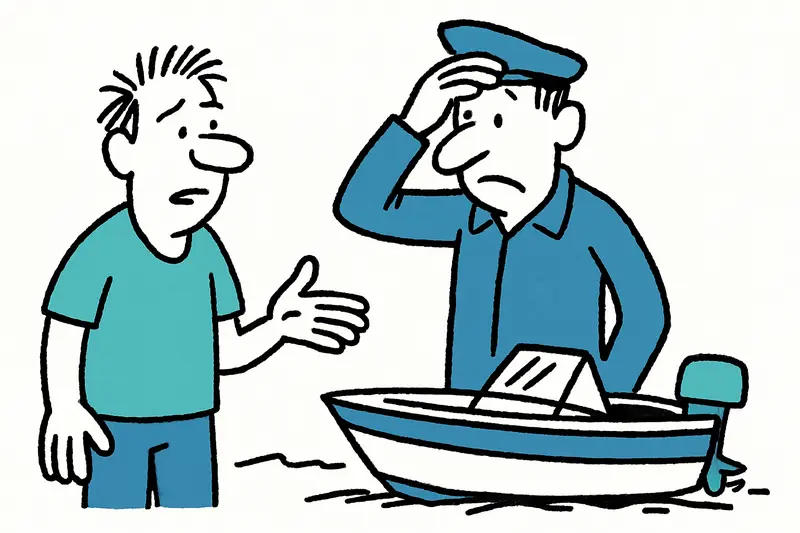
The port authority Ports IB recently officially declared eight small migrant boats (so-called pateras) and seven motorboats, which were found in the harbour facilities of Portocolom and Colònia de Sant Jordi, as ownerless. Specifically, there was one small boat and one motorboat in Portocolom and seven boats and six motorboats in Colònia de Sant Jordi. After the prescribed administrative procedure, no owner came forward. The boats were transferred to the Son Tous facilities and are there awaiting further measures. This situation reflects wider pressures described in More Boats, More Questions: Mallorca Under Pressure from Rising Boat Arrivals.
Key question
Why do vessels repeatedly end up in a legal no-man's-land, and what is best: recycling, storage or humane care?
Critical analysis
The procedures are formally correct: the competent authority initiated the process under Balearic port law, published the required notices and waited out the deadlines. Legally, the transfer to ownership by Ports IB was therefore possible. From an administrative perspective this solves two immediate problems: free space on berths and clarity about the fate of the objects. Nevertheless, substantive questions remain. First: why do so many boats lack clear identification? Second: who takes care of the social consequences if migrants came ashore on these boats or if people were at risk, a question of funding and responsibility examined in Can Pastilla: The Roman Wreck and the Question of Responsibility and Funding? Third: how can ports be protected without overlooking the humanitarian dimension?
What is missing in public discourse
The debate is often reduced to two buzzwords: order vs. migration. Rarely does it address practical management: better identification requirements for leisure and working boats, as highlighted by Drunk Boats, Battered Bays: When Private Boat Rentals Put Mallorca's Coasts at Risk, faster information channels between harbourmasters, the Guardia Civil and Ports IB, or clear procedures for clearance and disposal. Equally invisible are the costs borne by port administrations when they recover, secure and store boats. And finally, there is no clear plan for cases where people were on board: links to social services or healthcare remain piecemeal.
Everyday scene from Mallorca
In the morning in Portocolom, when the sun lies low over the promenade, you can hear gulls screeching and the diesel of the fishing boats. An older harbourmaster pushes a coffee cup aside, points to empty berths blocked by tarpaulins and stranded hulls. Tourists strolling the quay see only fibreglass ruins. For the people who work here daily it's more: blocked access ways, extra administrative work, and sometimes the smell of sudden distress.
Concrete approaches to solutions
1) Tighten identification requirements: clear, highly visible registration numbers and contact information on board; mandatory radio or digital identifiers for new boat purchases. 2) Fast reporting and exchange system: a local portal connecting harbourmasters, Ports IB, Salvamento Marítimo and the Guardia Civil so find‑ings are documented immediately and actions coordinated, an issue also discussed in Trouble over license-free boat rentals: When Es Carbó becomes a racetrack. 3) Cost liability rules: fees or securities for berths that apply in cases of neglect, plus transparent cost billing to owners if they are identified. 4) Humanitarian checklist: for pateras ensure medical and social first aid first, then begin administrative steps; cooperate with local NGOs and health centres. 5) Sustainable disposal and recycling: at Son Tous assess whether decayed hulls are recyclable, repairable or require environmentally sound disposal; if reusable, offer transparent tendering.
Why these proposals are realistic
Many ports handle similar cases. Technical solutions such as digital reporting registers or more visible markings cost less than repeated recovery and storage. Clear cost liability reduces the risk that port areas remain permanently blocked. The humanitarian framework prevents administration from becoming the sole response when people are affected.
Concise conclusion
The silent flood of abandoned boats reveals two things: poor identification and insufficiently coordinated processes between authorities and people on the ground. That Ports IB took over the vessels and stored them in Son Tous is only the end of a short-term chapter. In the long term, the island needs a leaner system for identification, faster communication between institutions and a binding connection to social assistance. Otherwise the picture remains: beautiful coves, but a mess at the quays that nobody really wants — and which the public ultimately pays for.
Frequently asked questions
Why are boats in Portocolom and Colònia de Sant Jordi declared ownerless?
What happens to abandoned boats in Mallorca after they are taken over by Ports IB?
Why do abandoned boats create problems for ports in Mallorca?
What should happen when a small migrant boat is found in Mallorca?
How could Mallorca reduce the number of unidentified boats in its ports?
What is Son Tous used for in relation to abandoned boats in Mallorca?
Who pays the costs when a boat is left behind in a Mallorca port?
Can abandoned boats in Mallorca be recycled instead of destroyed?
Similar News

Found dead in Son Gotleu: Dog walk ends fatally — what is missing in the investigation?
A 68-year-old man was found dead on Sunday morning on Tomás Rullàn street in Son Gotleu. According to his partner, he ha...

Theft at Playa de Palma: How safe are tourists at night?
At Playa de Palma street vendors snatched a gold chain worth around €5,000 from a tourist. The National Police intervene...
Smoking Weed at the Ballermann: Why a Ten-Euro Joint at Playa de Palma Ends in Handcuffs
A street purchase for 10 euros at Playa de Palma led to an arrest. Why a simple joint on holiday can have serious conseq...

Push-ups on the Sea: Why Prone Paddlesurf is Taking Off in Mallorca
Those who crawl belly-down across the water aren't signaling for an ambulance but curiosity: prone paddlesurf — long, na...

When Bouncers Run Amok: Emmy Russ and the Question of Safety at the Ballermann
An incident at the Megapark involving reality TV figure Emmy Russ raises broader questions about the oversight of securi...
More to explore
Discover more interesting content

Boat Tour with BBQ along Es Trenc Beach
Private transfer from Mallorca Airport (PMI) to Pollensa
