
Lightning strike on holiday flight: Why the sudden jolt and return to England made sense
Lightning strike on holiday flight: Why the sudden jolt and return to England made sense
A Jet2 flight from Leeds to Lanzarote was struck by lightning during its climb. The pilot aborted the flight and landed in Manchester. What this means for passengers and for safety.
Lightning strike on holiday flight: Why the sudden jolt and return to England made sense
Passengers unharmed, plane diverted to Manchester for inspection – routine or a wake-up call for better procedures?
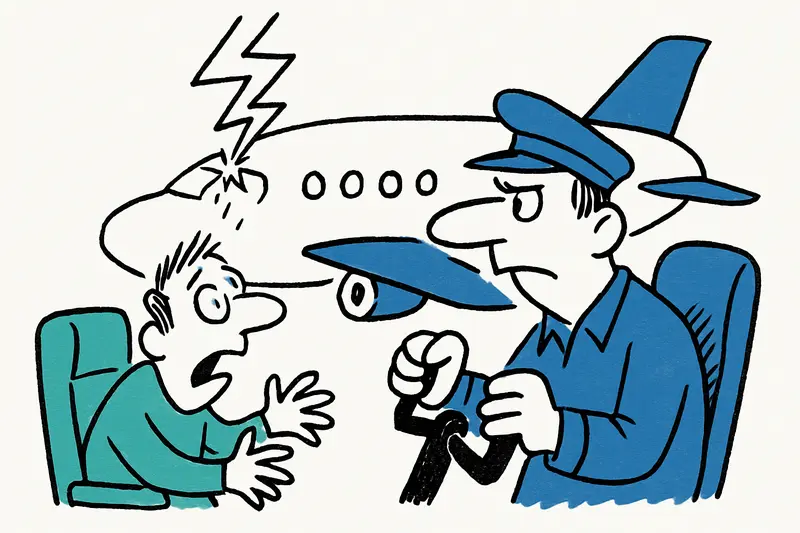
A charter flight that was supposed to take holidaymakers to Lanzarote ended with a surprising turn: shortly after takeoff the Boeing 737 was struck by lightning. The crew interrupted the climb and prepared to land at Manchester Airport. There were no injuries; the passengers reached their destination several hours later after a replacement aircraft was made available.
Key question: Was the cockpit's decision correct — and what is missing from the public debate about such incidents?
The first thought for many is: lightning, metal, panic. The reality is less dramatic, but not insignificant. Modern airliners are designed so that a lightning strike conducts along the exterior skin. The cabin usually remains protected, and electronic systems are more redundant than in the past. Still, a strike is not purely theoretical: sensors, antennas or external parts can be damaged. That is why the decision to turn back immediately or divert to a nearby airport must be made according to regulations and judgement — especially when the aircraft is still climbing and the crew must ensure full control of all systems.
From the crew's perspective, those minutes are about two things: assessing the condition of the aircraft and evaluating the risk of continuing the flight. Quick cockpit checks cannot replace a thorough ground inspection. That the aircraft landed in Manchester after about 50 minutes and could be inspected there is evidence that the crew acted according to established procedures. For passengers this meant a longer wait, but no injuries — and that is the core message that is often overlooked.
What is frequently missing in public discussion is the logistical perspective: how well are airports and airlines prepared to organize replacement aircraft Storm chaos in Palma: Why a thunderstorm disrupts the airport — and how we should plan smarter? On islands like Mallorca (see Nighttime Lightning Flood: Why Mallorca's Night Wasn't Dark This Time) or Lanzarote the situation differs from the mainland. Son Sant Joan in Palma (see Power Outage and Storm: What the Incident at Palma Airport Really Reveals), for example, has high daily traffic and limited parking stands. If a flight is grounded for a technical check, this creates a noticeable extra burden for departing and arriving infrastructure — shuttles, hotels, ground handling, on-site staff. Whether a replacement aircraft can be provided at short notice affects not only the airline but an entire chain of service providers.
A typical everyday scenario: on a sultry morning in Palma, the cafés along the Passeig Marítim are full, you can hear the click of heels and the hum of scooters. A travel agent looks at his tablet, sees a diversion of a flight to England and does not think of anything major — for him it means work: rearranging transfers, calling guests, coordinating with the car rental. These small processes are what often disappear behind photos of smoking wings.
Concrete suggestions to make such incidents less chaotic for passengers and island operations:
1) Airlines: Binding emergency plans for island routes that include rapid provision of a replacement aircraft and clear rules for catering and accommodation. More transparency in communication: real-time information via app instead of brief announcements.
2) Airports (especially island locations): Agreements with ground handlers and external technicians for short-term additional capacity. Logistical runways for suddenly increased passenger flows — for example separate bus services or reliable transfer partners.
3) Aviation authorities: Unified requirements for post-lightning inspections; faster prioritization for checks so affected aircraft can be released as safe or replaced quickly.
4) For travellers: Stay calm, keep receipts (delay and cancellation confirmations), contact the tour operator and bank for expenses. Always have the flight number and seat details ready — that speeds up assistance on site.
Another point: the weather is changing. Summer storms over the Atlantic can be locally intense. Better pre-flight routing and closer coordination between operations centers and meteorological services could help avoid departures in particularly risky time windows or plan alternative routes.
Conclusion: Lightning strikes themselves are rare and harmless for most flights. What matters is how crew, airline and airport cooperate after such an event. The crew acted correctly by prioritizing safety and arranging for a reliable ground inspection. What must remain on the agenda now is improving procedures around island logistics: faster replacement solutions, clearer communication and practical rules for everyday operations at airports like Palma or smaller island fields. That makes the experience less stressful for travellers — and a bit more predictable for those of us on the island.
Frequently asked questions
What is the weather usually like in Mallorca in June?
Is June a good month to swim in Mallorca?
What should I pack for Mallorca in June?
Is June a busy time to visit Mallorca?
What are the best things to do in Mallorca in early summer?
Is Alcúdia a good place to visit in June?
What is Port de Sóller like in June?
Are beach conditions in Mallorca good in June?
Similar News
Stolen Motorcycle in Palma: Fatal Crash in Coll d'en Rabassa Shortly After Theft
A motorcycle parked on Plaza Miquel Dolç in Son Gotleu was reportedly stolen in the early hours. Hours later two men cra...
When More Guests Mean Less: Mallorca's Restaurants at the Limit
Despite record visitor numbers, the revenues of many restaurants are shrinking. Why more visitors don't automatically me...
Ballermann 2026: Heat, crowded promenade and rising prices – how much longer?
Bright sunshine, over 35 degrees in the shade and busy venues at Playa de Palma: Tourists enjoy the parties, restaurateu...
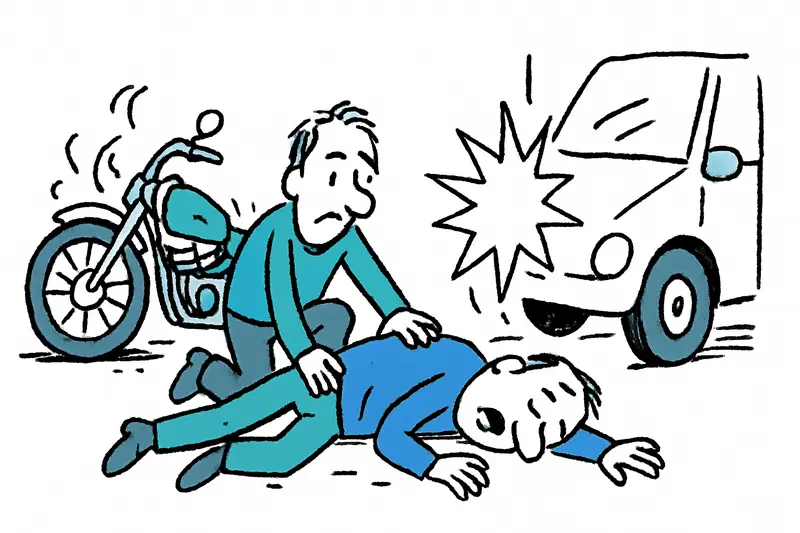
Stolen motorcycle, high-speed escape, deadly crash: An accident in Palma that raises questions
A motorcycle stolen in Son Gotleu ended up hours later on the Cardenal-Rossell in Coll d'en Rabassa in a deadly collisio...
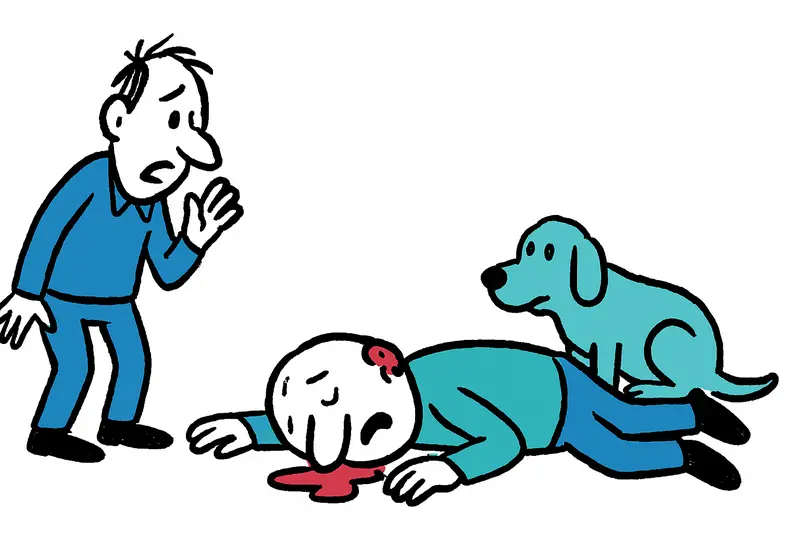
Found dead in Son Gotleu: Dog walk ends fatally — what is missing in the investigation?
A 68-year-old man was found dead on Sunday morning on Tomás Rullàn street in Son Gotleu. According to his partner, he ha...
More to explore
Discover more interesting content

Boat Tour with BBQ along Es Trenc Beach

Private transfer from Mallorca Airport (PMI) to Pollensa
