
Reality check: Copper cable theft in Alcúdia — what's behind the nightly underground lines?
Reality check: Copper cable theft in Alcúdia — what's behind the nightly underground lines?
In Alcúdia a man was stopped with 390 pieces of copper cable in a van. Twelve houses were temporarily without power. A reality check on what is lacking and how we should respond.
Reality check: Copper cable theft in Alcúdia — what's behind the nightly underground lines?
Key question: Why are arrests alone not enough to protect rural power supplies from copper thieves?
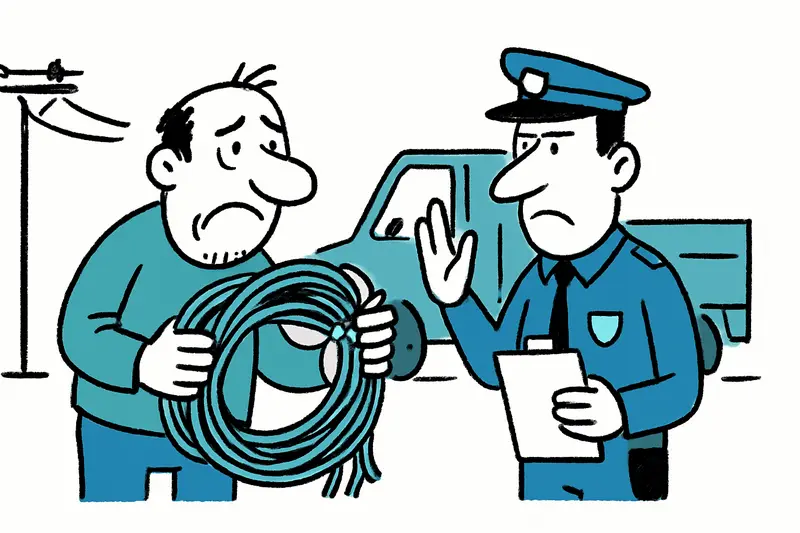
Early in the morning along the Ma-13, just before Alcúdia, the usual traffic noise prevailed: the rumble of trucks, the beep of a delivery van and the scent of freshly baked pa amb oli from a bakery at the exit. It was there that police and the Guardia Civil stopped a van. In the cargo area — according to the facts we may continue to use here — lay 390 pieces of cut copper cable. Also found: a large cable cutter and a ladder. Later investigators discovered a damaged overhead line on a field track; result: around twelve houses were temporarily without power. Related reporting includes How safe are our homes? The nighttime attack in Alcúdia and lessons for the old town.
That is the scene. But it is only the visible part of a problem that is increasingly annoying on Mallorca and elsewhere — Electricity theft in Palma: Copper robbery leaves streets in the dark — copper is valuable, lines are accessible, and daily life pays the price. A single offender with a lot of material in a van signals not only an arrest — it reveals gaps in prevention, monitoring and rapid local assistance.
Critical analysis: Where are the flaws?
First: protective technology is often missing where it is most needed. Overhead lines at agricultural access points are easy to reach. A ladder and a cutter are enough. Second: reporting and repair chains are slow. Households in remote locations sit out in the rain or darkness until technicians arrive. Third: controls in the supply and scrap trade do not work comprehensively. Those who want to sell large quantities of metal too often face little bureaucratic resistance, as shown by Almost a Ton of Copper: Arrest in Palma Raises Questions About Security and Disposal.
Fourth: the perspective of those affected is missing from public discourse. An elderly couple in a side street can face dangers from a power outage — failed heaters in winter, limited medical devices, perishable food. These faces rarely appear in reports, but they are real.
What public debate has so far overlooked
We talk about perpetrators and an arrest; about missing cables. Rarely do we talk about the market where the stolen copper ends up, about middlemen, about economic drivers like high metal prices and unemployment. The question of how often such incidents really occur and whether there are patterns (times of day, certain access roads, recurring hotspots) also remains unanswered. And: there are hardly any reports on how utility companies prioritize their infrastructure — which lines are reinforced, which remain vulnerable?
Everyday scene from Alcúdia — a small picture of the consequences
Imagine Calle de la Vila: Sunday market, a buzz of voices, an old man packing his purchases into bags. Then the news: the power in your neighborhood is out. No coffee machine, no TV, no shop lights. For the taverns at the quay a short outage means lost revenue; for farmers an interrupted well pump can threaten the harvest. These everyday experiences bring abstract numbers to a human level.
Concrete solutions — practical and locally feasible
Technically: gradually bury or reinforce the casing of lines that are regularly targeted by thieves. Motion detectors and simple circuit monitoring at critical points can trigger alarms before much material is removed. Preventively: mobile checks along known routes such as the Ma-13, bundling information between municipalities, grid operators and police. Administratively: tighten sales obligations for scrap dealers — identity checks, receipts, obligation to report large quantities to authorities.
Community-based: local neighborhood networks and notices in municipal offices, market halls and supermarkets can raise awareness. A reward system for tips leading to confiscations has proven effective elsewhere. Rapid hotlines should be established for those affected so that medically dependent people can be prioritized.
What should happen now
The arrest is important — it must not replace thorough investigations. Authorities and utilities should communicate transparently: which lines are affected? How fast will repairs be? Where can residents get support? At the same time we need a plan for how to secure recurring crime scenes technically and organizationally. It's not just about repression, but about resilience: more prevention, better controls in the trade of scrap metal and a functioning network of neighborhood solidarity.
The Ma-13 continues to sound as on any other day, trucks roll, and the bakery at the exit keeps baking. But the question remains: do we want people to sit in the dark while money is still made on the market with stolen copper? If not, we must rely on more than one arrest.
Conclusion: The arrest in Alcúdia is a beginning, not an outcome. Whoever truly wants to curb copper theft needs technical upgrades, stricter controls in the scrap trade, faster response routes for those affected and more public transparency. Only then can we prevent the next twelve houses from sitting in the dark again.
Frequently asked questions
Why is copper cable theft such a problem in Mallorca?
How does copper cable theft affect residents near Alcúdia?
Are rural power lines in Mallorca easy to steal from?
What can homeowners in Mallorca do to reduce the risk of copper theft?
Why are power cuts from copper theft a concern for farms in Mallorca?
What should utility companies in Mallorca do after copper theft is discovered?
What is the role of scrap metal dealers in copper theft on Mallorca?
What can neighbours in Mallorca do when copper theft keeps happening nearby?
Similar News
Why the End of "Los Últimos Mohicanos" Is More Than the Closing of a Bar
With squealing tires and one last glass, an icon on the Palma–Manacor expressway closes. Why the demise of this German b...
Protest camp on Plaza España: Who asks for solutions to the right to housing?
Around 30 activists set up a tent camp on Palma's Plaza España to push for stronger tenant rights. Our analysis asks: Ar...
In the Name of a Gang: Alleged Extortion in El Molinar and What It Reveals About the Protection of Sex Workers
A man is accused of posing as a member of the Hells Angels and extorting two women at accommodation in El Molinar. The s...

When Chile Meets the Mediterranean: A New Flavor at Can Bordoy
At Can Bordoy in Palma's old town, Chilean chef Jhonatan Maldonado combines Patagonian seafood with Mediterranean island...
End of an Era on the Ma-15: Why the Biker Hangout at Son Gual Is More Than Just a Restaurant
"Los Últimos Mohicanos" closes unexpectedly. A meeting place for motorcyclists on the Palma–Algaida border is disappeari...
More to explore
Discover more interesting content

Can Cap de Bou

Townhouse Lleo 72
