
Fear of Squatting in Es Pil·larí: Why the Mood Is Shifting
Fear of Squatting in Es Pil·larí: Why the Mood Is Shifting
In Es Pil·larí, a district of Palma, a wave of warnings is circulating in neighborhood groups. Residents report attempted intrusions and uncertainty is growing. A reality check: what's missing and what helps?
Fear of Squatting in Es Pil·larí: Why the Mood Is Shifting
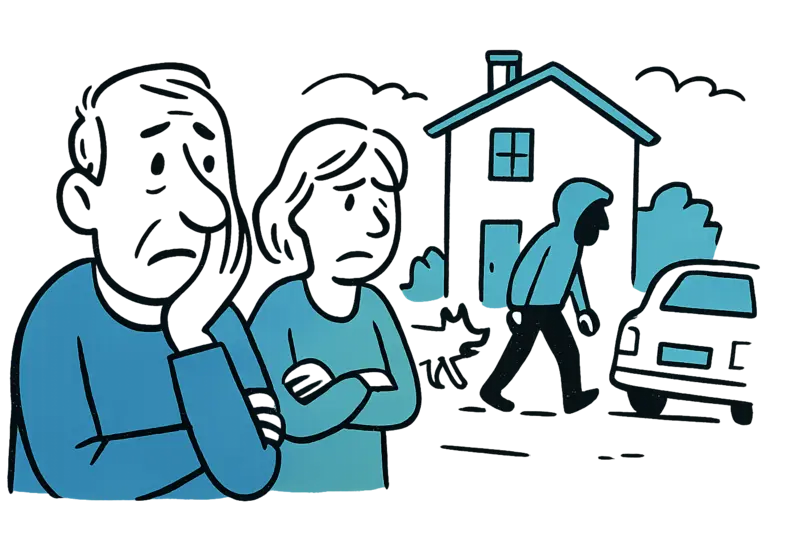
On a golden October morning, when the sun lights up the red tiled roofs and a dog barks in the small plaza, the concerns of the people in Es Pil·larí suddenly sound louder than usual. In recent days messages have circulated in local neighborhood groups reporting people who allegedly tried to enter apartments. Such reports have shaken the neighborhood and raised a basic question: how safe are the houses here really?
Key Question
Why do isolated reports of attempted intrusions in Es Pil·larí cause so much uncertainty, and what gaps exist in prevention, information and law enforcement?
Critical Analysis
The mood arises in two places: on the street and online. Locally, neighbors see the same people, observe unusual behavior, locked stairwells or open windows — small details that carry weight in a dense neighborhood. At the same time, tips multiply in messaging groups. These channels are fast but not always reliable: assumptions are shared, rumors can escalate without authorities reacting immediately or providing facts, and sometimes incidents lead to arrests, as reported in Palma on edge: Seven arrests after daytime burglary spree – what now?.
Structural causes include vacant properties after the season, unclear ownership structures and slow legal procedures in possession disputes. When apartments remain unoccupied for extended periods, the temptation for illegal occupation increases. Authorities work according to clear rules, but the residents' perception is that response times are too long and protection insufficient, a situation echoed in Four Years of Fear in Palma: How Neighbors, Justice and the City Must Improve Protection.
What's Missing in the Public Debate
The debate often limits itself to alarm calls and outrage. Hard numbers are missing — how often do attempts actually occur, how many cases are reported, how quickly do police and courts act? Also missing is a publicly accessible guide for those affected: what steps should I take if strangers are at my door? Who do I contact besides the emergency number? And: how do the responders distinguish between real crimes and misinterpretations?
A Daily Scene from Es Pil·larí
Imagine the street accompanied in the morning by a garbage truck alarm, coffee cups clattering, an elderly woman carrying her shopping home. Suddenly a photo appears in the neighborhood group: a person on the sidewalk, a parked car with a foreign license plate. Five minutes later two neighbors ask in the group: "Has anyone reported this yet?" That creates pressure — not only on possible offenders, but also on what hasn't been checked.
Concrete Solutions
1. Transparent Alert Chain: A short guide distributed by the municipality via notices, the town hall portal and local groups: first steps, phone numbers, when to inform the Policía Local or Guardia Civil.
2. Verified Neighborhood Alerts: A system where reports are checked for plausibility before being widely shared. A local volunteer group could collect photos or descriptions according to trained criteria and forward them to the authorities.
3. Preventive Inspections: Joint checks of vacant properties by the town hall, owner representatives and police. Visible controls are often a deterrent, as in Palma Tightens Controls: More Security — or a New Punitive Culture?.
4. Legal Information and Rapid Assistance: A short guide on filing a report, evidence preservation and quick measures at the district court. Additionally, a telephone initial consultation for those affected.
5. Strengthening Local Meeting Places and Trust: Regular neighborhood meetings in the bar at the plaza or in the community hall where concerns can be openly discussed. This reduces uncertainty and makes rumors more likely to be checked in conversation than in anonymous chat.
Pithy Conclusion
The fear in Es Pil·larí is real, but it is amplified by the rapid, unverified spread of reports. Anyone who lives in Mallorca knows: community works best when information is checked, channels are short and responsibilities clear. If the town hall, police and neighbors work together on a fast, understandable response chain, uncertainty can be reduced — without stoking suspicion against outsiders. A sense of security is created not only by patrols but by reliable information and a neighborhood network that not only raises the alarm but organizes solutions. For related local examples of occupation and vacant-property issues, see Who Acts First? Squatters in Santa Margalida Cause Trouble in Half-Finished Housing Blocks.
Frequently asked questions
Why does a single report of intrusion in Es Pil·larí create uncertainty for Mallorca residents?
What practical steps can a Mallorca neighborhood take to improve safety around vacant properties?
How can Mallorca residents tell real concerns from rumors in neighborhood alerts?
Where can people find a simple guide for reporting suspicious activity and protecting property in Mallorca?
What measures do Mallorca towns use to deter squatting in unoccupied apartments?
If I suspect someone is trying to enter my Mallorca home, what should I do?
How can regular neighborhood meetings help reduce fear and misinformation on Mallorca’s streets?
Why are reliable information and quick local responses important for security in Mallorca communities?
Similar News
Cracks in the La Seu Staircase: Who Really Protects Palma's Heart?
For months a cavity opened beneath the historic staircase to the cathedral; experts have now started probing. Why was ac...
Housing shortage in Palma: Protest camp between endurance and exhaustion
For weeks, 40–50 tents have stood on the Plaça d'Espanya. The protesters are debating how long to hold out — and demand ...
Unrest in Es Pillari: Neighbors Push Back Against Fear of Squatting
In Es Pillari, a small village near Palma, concerns are growing after reports of attempted intruders. Why the fear is so...

There is room for everyone — and yet not for everything: Parc de Ses Estacions, 20 years on
The Parc de Ses Estacions marks two decades above Palma's underground station. A walk reveals green spaces, everyday lif...

Death rides along – when speed becomes an everyday concern
A well-known motorsport competitor dies during a rally in Mallorca. Why do we accept residual risk on our roads in every...
More to explore
Discover more interesting content

Can Cap de Bou

Townhouse Lleo 72
