
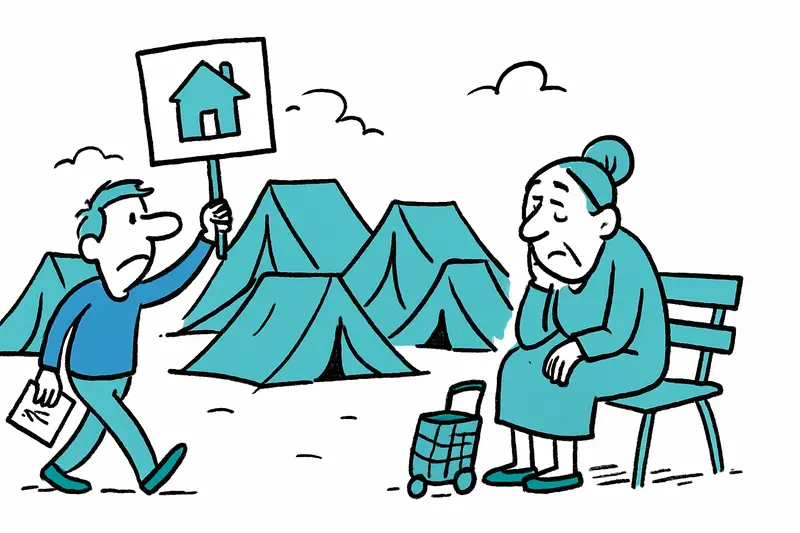
Housing shortage in Palma: Protest camp between endurance and exhaustion
Housing shortage in Palma: Protest camp between endurance and exhaustion
For weeks, 40–50 tents have stood on the Plaça d'Espanya. The protesters are debating how long to hold out — and demand more than words from politicians. A reality check from the city.
Housing shortage in Palma: Protest camp between endurance and exhaustion
Key question: How long can a protest persist without concrete political answers — and what is really missing in the debate?
On the Plaça d'Espanya, where buses arrive and depart and the morning scent of coffee from the small bakery next to the kiosk drifts across the square, 40 to 50 tents have stood for weeks. This visible presence is part of Mallorca's housing crisis. The group that set up the camp speaks of a mode of endurance: they say they will remain until the announced general strike on November 11, after which a new decision will be made about whether the camp will stay until the snap parliamentary election on November 29. At the same time, the activists are planning to take their work into the neighborhoods: open assemblies are intended to shift attention from the central plaza to the residential streets.
The demands are well known: more affordable housing, fewer evictions, fewer people sleeping on Mallorca's streets. The movement's spokesperson made it clear that the political debate in parliament is passing by the concerns of many people. On the other hand, Prime Minister Marga Prohens reacted bluntly during the parliamentary debate: protesting is not a permanent condition, many people have to go to work in the morning — a hint that some decision-makers perceive the camp as disruptive. The opposition, in turn, criticizes that central promises have not been fulfilled.
Critical analysis: The conflict lines are sharp, but they remain fragmented. Activists and the government make opposing claims without reliable figures or binding timetables being visible. Who is asking for concrete data on evictions in the Balearic Islands over the past twelve months? Who is disclosing how many municipal apartments are available at short notice or which vacant buildings could immediately be converted into social housing without bureaucratic exception procedures? The parliamentary debates descend into political rhetoric; the technical steps that would actually allow families to return to their homes are often missing.
What is missing in the public discourse: First, transparency about actual numbers on the housing shortage in the Balearic Islands, short-term rentals and compensation payments to affected households. Second, a credible timetable for measures — not general promises, but deadlines and people responsible. Third, rapid legal remedies for tenants threatened with eviction, including legal advice and cashless bridging assistance.
An everyday scene: Around 9 a.m. an elderly woman sits on a bench at the edge of the Plaça d'Espanya, her shopping trolley at her side, she looks at the tents and shakes her head. A delivery van maneuvers past, the horn briefly sounds, then the quiet of the plaza, interrupted by the ticking of a nearby construction site. A young activist hands out flyers; a café owner cleans his outdoor tables and quietly says that customers stay away when there are demonstrations somewhere every weekend. These small encounters show that the situation creates not only headlines but everyday conflicts.
Concrete solutions that should be discussed now: 1) a temporary moratorium mechanism against evictions for clearly defined hardship cases, accompanied by financial bridging assistance for landlords; 2) a municipal program for the short-term rental of vacant apartments by the city with onward rental under socially acceptable conditions; 3) an accelerated approval procedure for the conversion of unused office or hotel space into long-term housing; 4) local mediation centers in the neighborhoods with mobile legal advice and mediators; 5) tax incentives for owners who permanently transfer properties to a municipal housing portfolio or rent them at social rates themselves; 6) binding transparency obligations for platform rentals with sanctions for abuse.
These proposals are neither luxurious nor theoretical. They are pragmatic: short-term measures prevent homelessness, medium-term steps create buffer capacity, long-term strategies ensure housing stability. Crucial is that measures are measurable — numbers and deadlines instead of repeated lip service.
Bottom-line conclusion: The camp on the Plaça d'Espanya is more than a protest tent camp; it is a signal that parts of the city have lost faith in a political solution. Political leadership in such a situation means not only condemning the demands but putting clear, verifiable offers on the table. Those who now repeat familiar phrases risk that the debate will escalate further — and that the same powerlessness will remain after the election. If parties really want to show responsibility, they must be concrete, act quickly, and above all be visible in the neighborhoods where people get up in the morning and pay their rent or do not.
Frequently asked questions
What is Mallorca's climate like and when is the best time for outdoor activities?
What should I pack for a trip to Mallorca in different seasons?
What is the housing shortage situation in Palma, and why are people protesting on Plaça d'Espanya?
What concrete steps could reduce evictions and increase housing quickly in Mallorca?
Where can tenants facing eviction in Mallorca seek legal advice and mediation?
How might a protest camp in Palma influence local politics and policy?
What beaches near Palma are good for a family day?
How should visitors stay safe during public demonstrations or protests in Palma?
Similar News
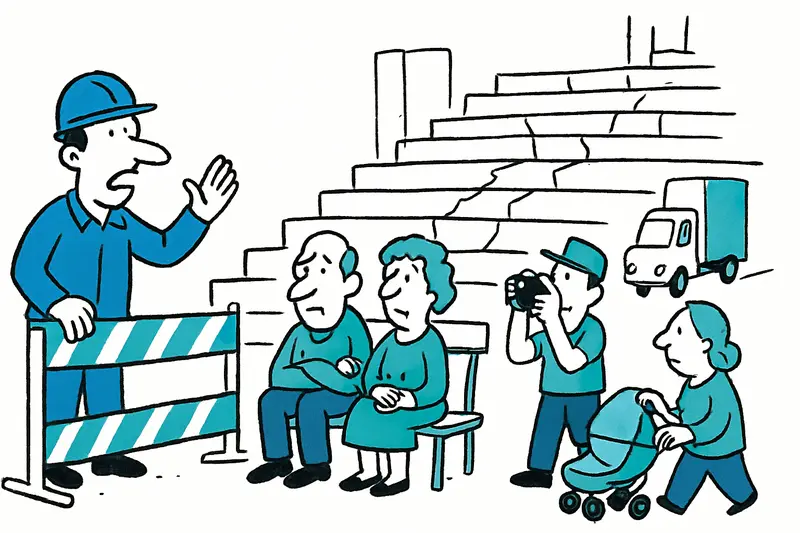
Cracks in the La Seu Staircase: Who Really Protects Palma's Heart?
For months a cavity opened beneath the historic staircase to the cathedral; experts have now started probing. Why was ac...
Unrest in Es Pillari: Neighbors Push Back Against Fear of Squatting
In Es Pillari, a small village near Palma, concerns are growing after reports of attempted intruders. Why the fear is so...

There is room for everyone — and yet not for everything: Parc de Ses Estacions, 20 years on
The Parc de Ses Estacions marks two decades above Palma's underground station. A walk reveals green spaces, everyday lif...

Death rides along – when speed becomes an everyday concern
A well-known motorsport competitor dies during a rally in Mallorca. Why do we accept residual risk on our roads in every...
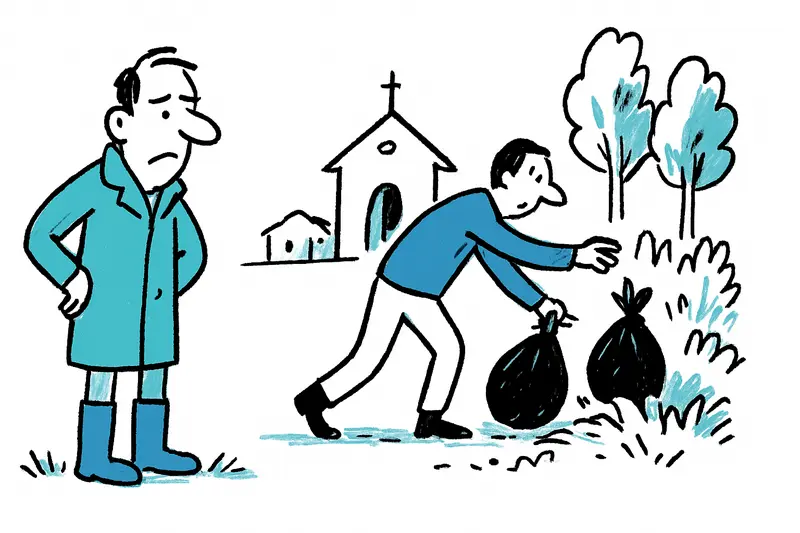
People and the Island: Why We Know So Much and Change So Little
A critical inquiry from the Llucmajor hinterland: we know the problems — plastic, illegal dumping, animal suffering. Why...
More to explore
Discover more interesting content

Can Cap de Bou

Townhouse Lleo 72
