
Unrest in Es Pillari: Neighbors Push Back Against Fear of Squatting
Unrest in Es Pillari: Neighbors Push Back Against Fear of Squatting
In Es Pillari, a small village near Palma, concerns are growing after reports of attempted intruders. Why the fear is so strong, what is missing from the conversation, and how residents can respond in practical ways.
Unrest in Es Pillari: Neighbors Push Back Against Fear of Squatting
Residents organize while uncertainty and rumors spread through WhatsApp channels
In Es Pillari, the quiet district that can be reached from Palma in a few minutes, the atmosphere has been tenser than usual in recent days. In the evenings, when the cicadas fall silent and car headlights briefly flash along the narrow country roads, neighbors exchange reports about people who are said to have tried to enter houses. The warnings spread quickly in neighborhood groups — and with them the concern.
Key question: How can a small community like Es Pillari distinguish between justified caution and a panicked mood, and which measures truly help protect property and cohesion?
Residents' reports range from impressions and sightings to accounts of alleged break-in attempts at individual properties. Such reports hit a village particularly hard: many houses are occupied seasonally When Neighborhoods Become Postcards: Illegal Vacation Rentals in Palma, older residents live alone, and winding alleys and unlit driveways create opportunities for uncertainty. The result is nighttime patrols, flashlights on balconies and the usual flow of rumors.
It is not only the fear itself that is critical, but how quickly it can turn into misguided calls for action. In some chat rooms there are calls for vigilante justice, while in others photos of unknown people are shared without any clarity whether those persons have anything to do with break-ins. That is not only annoying — it can stigmatize innocent people and needlessly tie up the police Valldemossa: Violence During Attempted Occupation — Who Protects the Houses in the Village?.
Two things are often missing in the public discourse: first, pragmatic information on how to report suspicions correctly; second, concrete prevention offers from the municipality for areas with many vacant properties Enough is enough: Can Picafort's neglected squatted Espigol Beach complex and the failure of those responsible. It is not enough to warn each other — clear procedures are needed that everyone can follow.
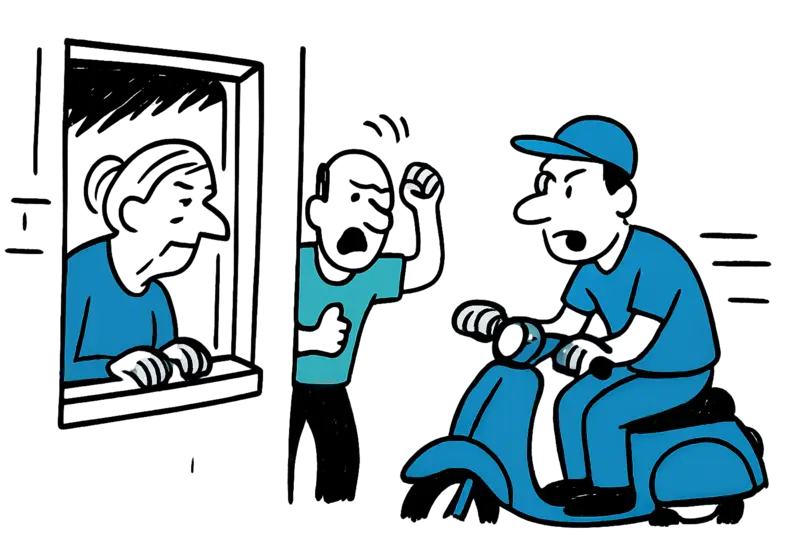
An ordinary evening in the village illustrates the dilemma: on one side the elderly woman at the window on the carrer by the olive grove who insists she will no longer open the door when someone knocks. On the other side the young man riding his moped on patrol because he does not want to leave the group alone. Between them: the uncertain information situation and the buzzing concern that a vacant holiday home could become a target.
There is a lot that could be improved concretely, without great expense and without hysterical reactions. Suggestions from the neighborhood — and from everyday life in Mallorca — are practical:
- Clearer reporting channels: A short phone number or local group admins who collect suspicious cases and forward them centrally to the Guardia Civil to avoid duplicate reports.
- Increase visibility: Better street lighting on access roads, motion detectors at property boundaries and regular checks of vacant properties by owners or contracted caretakers.
- Strengthen neighborhood organization: Not a militant watch, but shifts for mutual checks coordinated with the authorities — this keeps measures legal and transparent.
- Information instead of panic: A simple leaflet explaining what to do in case of suspected break-ins (take photos, do not confront, inform the police) would calm many households.
The role of the authorities is not marginal: quick feedback on reports, visible presence in particularly affected streets and information offerings can restore trust. At the same time, patience is needed within the village — rumors that rush loudly through chats are hard to rein in.
The conclusion is sober: the fear in Es Pillari has good reasons, but it is not enough on its own. A mix of sober information, simple technical measures and coordinated neighborhood action protects more than alarmism. In the evenings, when the bell of a small chapel rings and dogs bark, it is tangible: the people here want peace and security — they just need the right tools to preserve both.
Frequently asked questions
What is the best time of year to visit Mallorca for warm weather and fewer crowds?
Are Mallorca’s beaches safe for swimming, and what should I watch for?
What are the must-see sights in Palma de Mallorca for a short visit?
Is hiking in the Serra de Tramuntana suitable for beginners?
What should I pack for a Mallorca trip in spring or autumn?
What’s the best way to get around Mallorca without a car?
Which Mallorcan dishes should I try?
How many days should I spend in Mallorca to see highlights without rushing?
Similar News

There is room for everyone — and yet not for everything: Parc de Ses Estacions, 20 years on
The Parc de Ses Estacions marks two decades above Palma's underground station. A walk reveals green spaces, everyday lif...

Death rides along – when speed becomes an everyday concern
A well-known motorsport competitor dies during a rally in Mallorca. Why do we accept residual risk on our roads in every...

People and the Island: Why We Know So Much and Change So Little
A critical inquiry from the Llucmajor hinterland: we know the problems — plastic, illegal dumping, animal suffering. Why...
Fear of Squatting in Es Pil·larí: Why the Mood Is Shifting
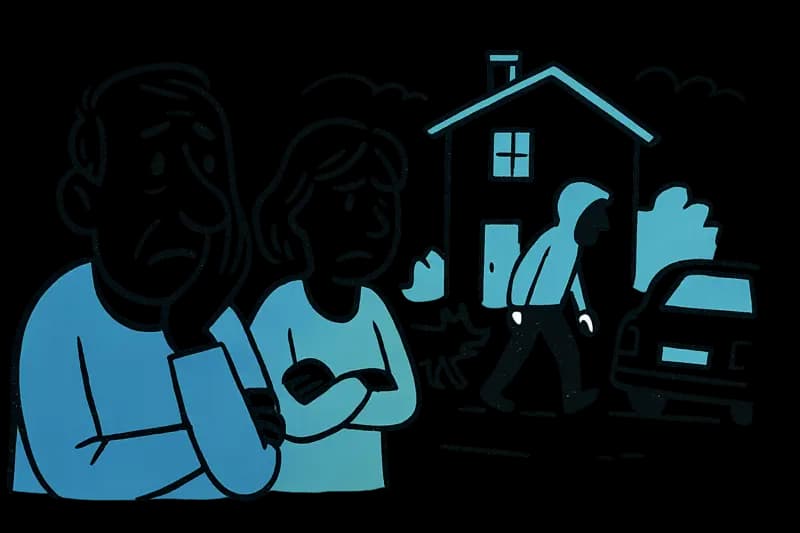
In Es Pil·larí, a district of Palma, a wave of warnings is circulating in neighborhood groups. Residents report attempte...

Partial collapse at Palma airport – who is liable for dilapidated infrastructure?
Heavy rain caused part of a plasterboard ceiling and the roof of a former cinema to partially collapse in Son Sant Joan....
More to explore
Discover more interesting content

Can Cap de Bou

Townhouse Lleo 72
