
People and the Island: Why We Know So Much and Change So Little
People and the Island: Why We Know So Much and Change So Little
A critical inquiry from the Llucmajor hinterland: we know the problems — plastic, illegal dumping, animal suffering. Why does so much remain unchanged? A reality check with concrete proposals for Mallorca.
People and the Island: Why We Know So Much and Change So Little
Guiding question: Why be informed but not act?
I ask the question plainly: why does our society gather so much knowledge about environmental dangers — and yet change its behavior so slowly? This is not a philosophical exercise, but a practical question we can observe on every street corner here in Mallorca.
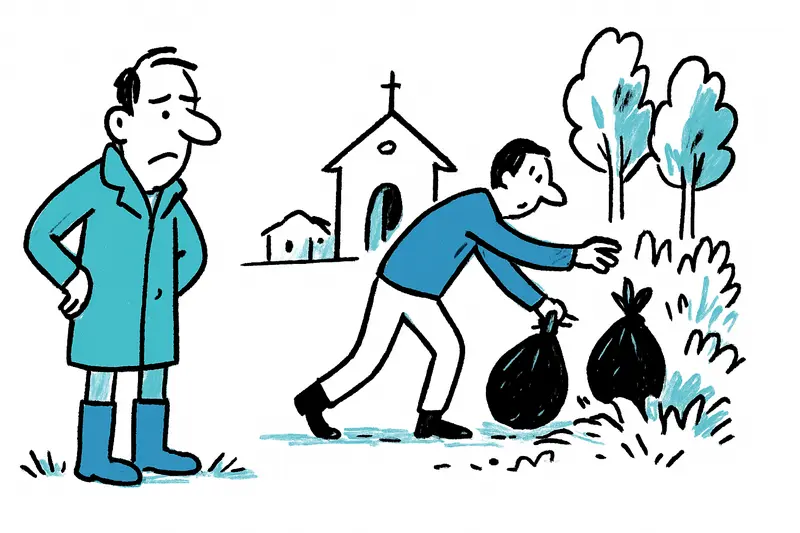
Anyone driving from Llucmajor to Palma knows the small connecting road near S'Aranjassa. On some days the air still carries the scent of wet autumn, the asphalt gleams, and dogs can be heard barking from the olive groves. And between the field edge and the roadside ditch there lies a pile that does not belong there: plastic bags, shredded cardboard, sometimes even a mattress. Look more closely and you find all sorts of things — furniture, broken electrical appliances, construction waste. It is a sight that makes you angry, but it also raises questions.
Critical analysis: convenience meets system failure
The obvious explanation is human laziness. But it would be too simple to blame everything on individual neglect. There are several levels: the habit of producing things cheaply and throwing them away just as cheaply; a waste disposal infrastructure that has gaps in places; economic incentives that disadvantage recycling and repair; and an enforcement practice that often only half-heartedly pursues illegal dumping. Someone who leaves a mattress in a field saves time and perhaps fees — and takes for granted that someone else will clean up.
At the same time we see a paradoxical divide: we read studies about microplastics, see images of polluted beaches and know the consequences for tourism and health, as documented in What Lies Beneath Mallorca's Coast: Trash Slipping Out of Sight, and yet our consumption rhythm remains largely unchanged. This mismatch is not a purely intellectual problem; it is a problem of structures, habits and missing consequences.
What is missing in the public discourse
The debate often focuses on assigning blame: the tourist season, a dynamic explored in Reality Check: Why Mallorca Can Hardly Escape Massification, supposedly inconsiderate newcomers, locals who do not separate waste properly. Three aspects are missing: a) concrete data on hotspots of illegal dumping, b) information about the costs of disposal versus fines, and c) discussions about the role of trade and logistics — how products are manufactured, packaged and marketed. Without these facts the discussion remains stuck at the moral level.
A Mallorca everyday scene
On a rainy October day a man in rubber boots stands under a small chapel at S'Aranjassa and watches a van stop in a side street. Two minutes later two black garbage bags are thrown into a pine grove. The man sighs, shrugs and walks on. This is not an isolated case; it is a small everyday pause between anger and resignation.
Concrete solution approaches — not wishful thinking, but feasible measures
1. Hotspot mapping: municipalities and citizens jointly report dumping sites via an app or hotline; this allows real problem areas to be prioritized.
2. More frequent bulky-waste collection days and mobile recycling stations in outlying areas; reducing travel distances removes reasons to dump.
3. More targeted law enforcement: combine higher fines with visible enforcement so that illegal dumping is not anonymous.
4. Promote repair and reuse centers: workshops where furniture, mattresses and appliances are inspected and passed on.
5. Transparency about disposal costs: consumers must be able to understand how much recycling actually costs — this can create political pressure for manufacturer take-back obligations.
6. Education in schools: children learn to avoid waste and to repair things; this is more sustainable than short-term awareness campaigns.
7. Tourist information: landlords, tour operators and car rental companies should clearly inform guests about proper disposal; small reminders prevent large amounts of waste.
8. Support local initiatives: organized clean-ups, neighborhood committees and secondhand markets need long-term support, not just one-off grants; such structural responses are part of what When Mallorca Grows: Strategies for an Island in Transition highlights.
9. Make water and energy consumption visible: municipal apps could allow households to compare consumption and create incentives to save — on an island every liter counts.
10. Promote ecological alternatives for packaging: stricter rules for single-use packaging and incentives for reusable solutions.
What we can do ourselves
An individual cannot overhaul the whole system. But we can lower the barrier: register bulky waste on time, alert neighbors to illegal dumping, help with initiatives and ask before buying: do I really need this? Everyday small things add up.
Pithy conclusion
Intelligence without responsibility remains a pretty coincidence. Mallorca is not a testing ground for short-term thinking; the warnings of the past, such as Mallorca in Retrospect: A 1970 Film and the Uncomfortable Truths We Haven't Solved, remain relevant. If we do not begin to change structures — and specifically where it hurts: costs, organization and control — then the field at S'Aranjassa will remain just one of many examples. The island does not need moral sermons, but fewer excuses and more practical rules. And yes: someone who throws a mattress into the bushes may not look back. But someone who cleans up leaves a trace that others can follow.
Frequently asked questions
What’s the best time of year to visit Mallorca for outdoor activities?
What should I pack for a Mallorca trip in spring and summer?
Are Mallorca beaches safe for swimming and what should I know before going in?
What are good day trips from Palma for a Mallorca weekend?
What’s special about visiting Palma de Mallorca?
Are there family-friendly beaches near Alcúdia?
Is the train from Palma to Sóller worth taking?
What should I know about driving in Mallorca if I rent a car?
Similar News
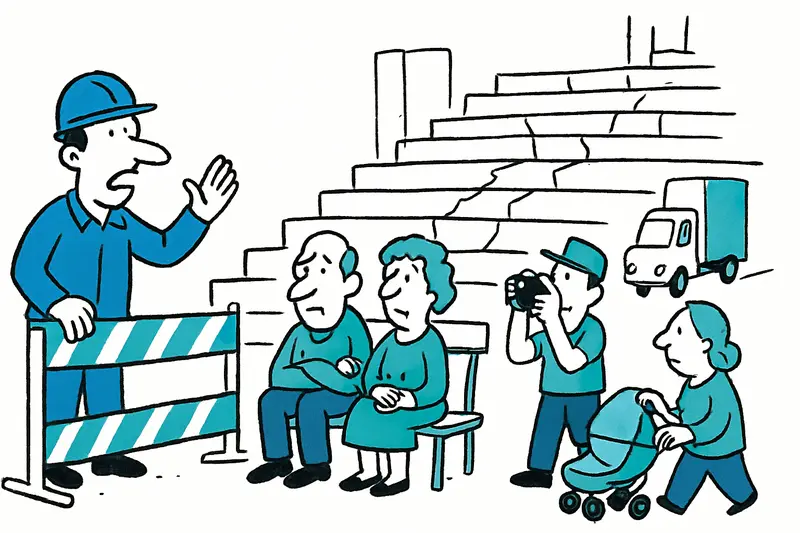
Cracks in the La Seu Staircase: Who Really Protects Palma's Heart?
For months a cavity opened beneath the historic staircase to the cathedral; experts have now started probing. Why was ac...
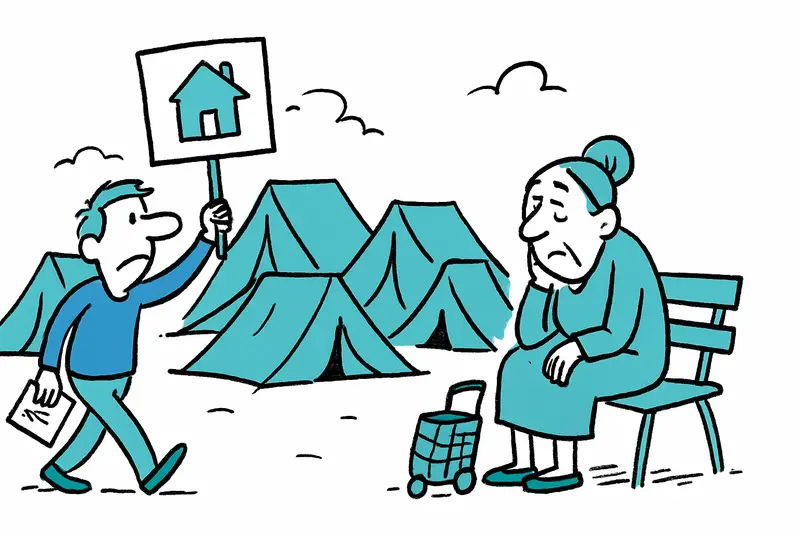
Housing shortage in Palma: Protest camp between endurance and exhaustion
For weeks, 40–50 tents have stood on the Plaça d'Espanya. The protesters are debating how long to hold out — and demand ...
Unrest in Es Pillari: Neighbors Push Back Against Fear of Squatting
In Es Pillari, a small village near Palma, concerns are growing after reports of attempted intruders. Why the fear is so...
There is room for everyone — and yet not for everything: Parc de Ses Estacions, 20 years on
The Parc de Ses Estacions marks two decades above Palma's underground station. A walk reveals green spaces, everyday lif...
Death rides along – when speed becomes an everyday concern
A well-known motorsport competitor dies during a rally in Mallorca. Why do we accept residual risk on our roads in every...
More to explore
Discover more interesting content

Can Cap de Bou

Townhouse Lleo 72
