
More Space at Last: New Parking Lot in Bunyola Eases Pressure on Village and Hikers
More Space at Last: New Parking Lot in Bunyola Eases Pressure on Village and Hikers
In Bunyola, the gateway to the Serra de Tramuntana, a small but useful parking lot with 50 spaces has opened. It brings noticeable relief to the narrow streets and the village scene for locals, weekend visitors and hikers.
More Space at Last: New Parking Lot in Bunyola Eases Pressure on Village and Hikers
Small facility, big impact in the narrow streets at the foot of the Serra
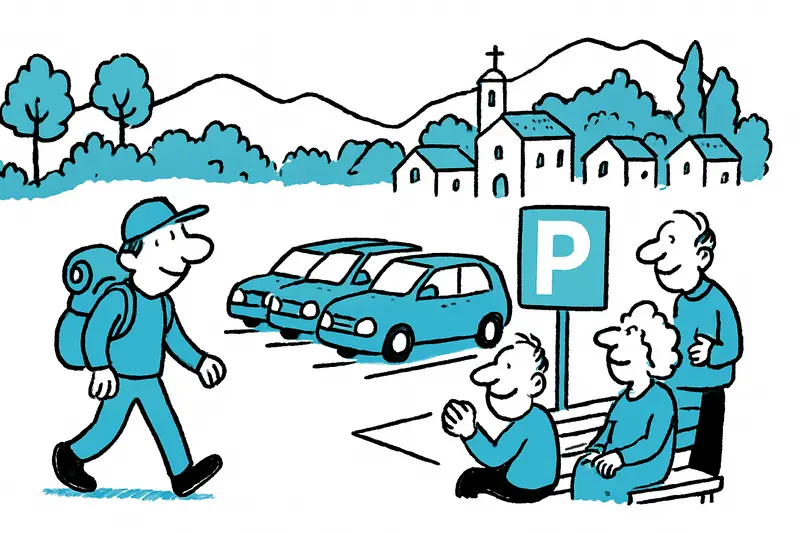
On Passeig Antoni Estarelles, in the Can Mas quarter of Bunyola, a new parking lot with 50 spaces has recently become available. For a village of around 7,000 inhabitants this is not a large-scale sensation — but it is a daily relief you notice immediately when walking through the streets.
If you enter the village on a mild morning, you hear the church bells, see café cups clinking and smell the pine trees on the slopes. Until recently parking mostly ended up on the roadside here: cars were often half on the sidewalks, and access to side streets became narrower. The new area takes many vehicles off the main streets, creates more room for pedestrians and protects facades from scratches. That affects the daily rhythm: deliveries can be made more easily again, parents can drop children off at school without circling for ten minutes, and local shops become more accessible.
For visitors setting off from Bunyola to the Tramuntana hiking trails, the change is welcome. The Serra d'Alfàbia, with peaks reaching close to the thousand-meter mark, is right on the doorstep; hiking groups and daytrippers now park with less improvisation, and the walks to the trailheads are more relaxed. This is not only a comfort gain but can also help reduce pressure on natural areas — less ad hoc parking means fewer tire marks in the soil and less litter in sensitive spots. Such pressures are also discussed in coverage of kilometer-long traffic jams towards Sóller.
Another often overlooked effect: safety. Especially in summer, when temperatures rise on the island and many people are on the move, properly organized parking areas calm traffic. Pedestrians, cyclists and older people move more safely again because sightlines are clearer. The new 50 spaces are no panacea for parking shortages in high season, but they are a step in the right direction; similar initiatives are being planned in other towns, for example Sóller's plan for three parking lots and 300 resident spaces.
The facility itself is simple: asphalt, markings, entrance and exit near the Passeig. In the coming months small additions could be considered to increase usefulness — a covered bike parking area, a few charging points for e-bikes or electric cars, or some trees for natural shade. Such additions could be implemented locally in consultation with the municipality and would strengthen the offer for commuters and tourists alike.
For Bunyola as a village centre with everyday life, the new parking area also has a social benefit: meeting places stay lively. If you see the benches on the Passeig in the afternoon and people sitting together again without stress, that's a small social revival. Local businesses, from the bakery to the tobacconist, benefit from it. People meet acquaintances and exchange the latest village stories — and all that without endlessly circling in search of a free spot.
Of course, the parking issue on Mallorca is bigger than a single village. Still, the example of Bunyola shows: with manageable effort, local bottlenecks can be relieved. Other municipalities with similar pinch points, as in Andratx's new parking spaces, could learn from this and look for comparatively inexpensive solutions that do not destroy the village character. More small parking areas in designated spots, combined with good pedestrian paths and clear signage, keep traffic where it belongs.
In the end it is this mix of pragmatism and consideration that works well on the island. A parking lot is not a monument, but it changes everyday life. When the sun sets behind the mountains in the early evening and the last hikers return, people in Bunyola now more often have the feeling: 'It's easier now.' And that, quietly and without much fuss, is good news for a small, lively village.
Frequently asked questions
When is Mallorca's best time to visit for sunny beach days?
What should I pack for a Mallorca trip?
Is it safe to swim at Mallorca beaches?
What is the best way to get around Mallorca without a car?
What are some classic Mallorca experiences for a short visit?
What kind of beaches can I expect in Mallorca?
How does Mallorca's weather change with the seasons?
What family-friendly activities are good for kids in Mallorca?
Similar News
Bloody clash in Canòdrom Park: What is missing in addressing violence on Mallorca's streets?
At midday on October 23, an 18-year-old man was critically injured in Canòdrom Park in Palma. The attack raises question...
Palma raises bus fares: Who pays the bill for public transport?
Single tickets rise from €2 to €3, airport trips have a reference price of €4.50. It remains unclear whether residents w...
Palma's New Indoor Pool: Sea View, Sunbeds and Space for Everyone
At Aigua Dolça, near the Paseo Marítimo, Palma has a new municipal indoor pool. For a small fee people can now train, re...
How Four Burglars Emptied Ten Houses with a Simple Trick — and What It Means for Mallorca
Four men used the impressioning technique, posed as delivery workers and accepted two years in prison. A reality check f...
Bundles of Drugs, Containers and Open Questions: A Reality Check for Mallorca
3.3 tonnes of marijuana, 80 kilos hidden in golf-ball vending machines and a 44-year-old German released on conditions i...
More to explore
Discover more interesting content

Can Cap de Bou

Townhouse Lleo 72
