
Fire at Manacor Hospital – One Spark, Many Questions
Fire at Manacor Hospital – One Spark, Many Questions
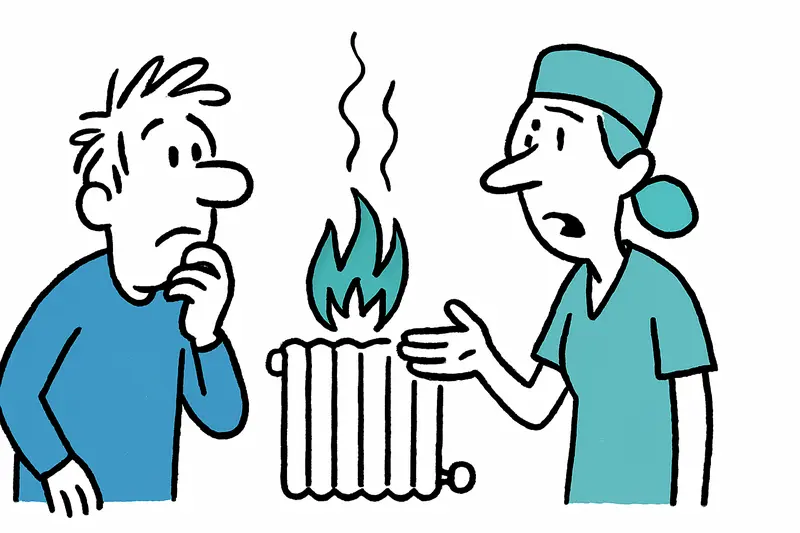
Yesterday afternoon a fire broke out in the heating area of Manacor hospital. No one was injured. The incident raises questions about workplace safety and emergency preparedness in our clinics.
Fire at Manacor Hospital – One Spark, Many Questions
Heating room in the basement caught fire; operations resumed in the evening
Yesterday afternoon a dark cloud of smoke rose over the Manacor hospital; residents saw vehicles with blue lights driving along the Carrer de la Pau, and sirens echoed through the neighborhood. Firefighters entered the basement area, extinguished a fire in the heating room of the basement and ventilated the building. Several areas were evacuated as a precaution; according to current information there were no injured patients or staff. In the evening hospital operations returned to normal. Similar evacuations have occurred elsewhere in Mallorca, for example Fire in a hotel's waste room at Playa de Palmanova: over 300 guests evacuated, all unharmed.
Work with an angle grinder is cited as a possible cause: a spark is said to have ignited combustible material. Such initial indications are important, but they do not answer the central question: how can a piece of handheld equipment almost cause a catastrophe in a sensitive area of a hospital?
The critical analysis begins with simple rules: in industry and facility management, so-called hot work follows a clear procedure – permit, fire watch, isolation of combustible materials, and extinguishing media within reach. When an angle grinder is used in a clinic basement, such measures should be a matter of course. The fact that smoke and evacuations were nevertheless necessary suggests that either the procedure was not fully followed or the protective measures were insufficient.
Rarely discussed in public debate is the role of external contractors who work briefly in critical technical rooms. Many hospitals outsource maintenance, ideally with mandatory safety briefings and clear checklists. If this internal control is missing, the risk increases – not only for fires, but also for power outages or contamination that can jeopardize operations.
A scene from the site: relatives stand in front of the main entrance, the flicker of the foyer lighting mixes with the smell of dampness and the distant echo of fire hoses. A nurse, her gloves still slightly smeared with soot, retrieves patient records while firefighters in breathing apparatus clean their equipment in the parking lot. Such impressions show: even a contained fire is a stress test for procedures and nerves for those on site.
Concrete solutions can be derived without naming culprits: hospitals should classify hot work in technical rooms as high risk and introduce standardized permit procedures. These include documented hazard analyses in advance, a fire watch present during and after the work, the use of spark guards and temporary shielding of combustible materials, and immediately available extinguishing agents.
Also sensible: regular, realistic evacuation drills that simulate technical failures; mandatory safety briefings for external firms; and a central protocol that documents which work takes place when in sensitive areas. Transparent documentation helps not only in an emergency but also in analysis if something goes wrong.
At the administrative level, it should be examined whether building components such as heating systems can be additionally protected with automatic detection systems or local sprinklers. Not every clinic has the same capacities – but prioritization according to risk potential is possible: rooms with gas, heating, or electrical installations require different protection standards than storage areas. The need for such risk-based prioritization is underscored by other local operations, for example Field fire near Manacor: What the operation on the Ma-15 reveals about Mallorca's fire risk.
What is often missing in the debate is the voice of employees. Nurses and technical staff feel in everyday work where materials, personnel, or clear procedures are lacking. Their experiences should be systematically incorporated into safety planning – for example through near-miss reporting systems or regular safety rounds.
Concise conclusion: the fire in Manacor ended without major harm because the fire department acted quickly and apparently no one was seriously injured. That is both luck and good crisis management. But the incident is also a warning sign: a single spark was enough to evacuate large areas. That must not become the norm. Concrete, verifiable measures for hot work, better control of external contractors, and more voice for staff are not luxuries – they are practical steps to ensure the next spark does not become panic.
For the people of Manacor this means: stay vigilant, ask how such work will be secured in the future, and demand clear answers from the administration, as was urged after Manacor: No murder — but many questions remain. Good fire safety is not created by a fast fire department alone, but by preparation, rules, and the serious implementation of everyday protective measures.
Frequently asked questions
What happened at Manacor Hospital during the fire?
Was anyone injured in the Manacor Hospital fire?
What caused the fire at Manacor Hospital?
When did Manacor Hospital return to normal after the fire?
How did firefighters handle the fire at Manacor Hospital?
Why are hot work rules important in hospitals in Mallorca?
What should hospitals in Mallorca require from external contractors working in technical rooms?
What can patients and families expect during an emergency at Manacor Hospital?
Similar News
Control with a Mask in Santanyí: Protest, Culture or Administrative Offense?
In Santanyí the local police escorted a traditionally masked activist away. Was it an identity check, an administrative ...
Up to €9,000 Fine in Inca: Why Wet Wipes Can Blow Up the Sewers — and What We Should Really Do
The municipality of Inca warns of blockages caused by wet wipes — fines of €300 to €9,000 are possible. A reality check:...

World Cup Trophy in Palma: Two Days Up Close
The World Cup trophy is coming to Palma at the end of October: two days on display at City Hall, and on 31 October photo...

End of October: Can you still swim in the sea in Mallorca?
The late-autumn sun still warms the air and the sea has retained its summer heat—many people don't pack away their swimw...
Years of abuse in Costa de la Calma – Neighbor calls Guardia Civil
In a villa in Costa de la Calma a neighbor alerted the Guardia Civil: a 19-year-old woman reported years of violence by ...
More to explore
Discover more interesting content

Can Cap de Bou

Townhouse Lleo 72
