
After attack at Playa de Palma: family launches fundraiser — what's still needed
After attack at Playa de Palma: family launches fundraiser — what's still needed
A 32-year-old German is in the Palmaplanas clinic with severe head injuries after a suspected assault. The family is collecting donations — but the debate about safety, precaution and rapid assistance remains vague.
After attack at Playa de Palma: family launches fundraiser — what's still needed
Key question: Why does a holiday in Mallorca end for a young father in an intensive care unit and who fills the gap when neither insurance nor clear help are available?
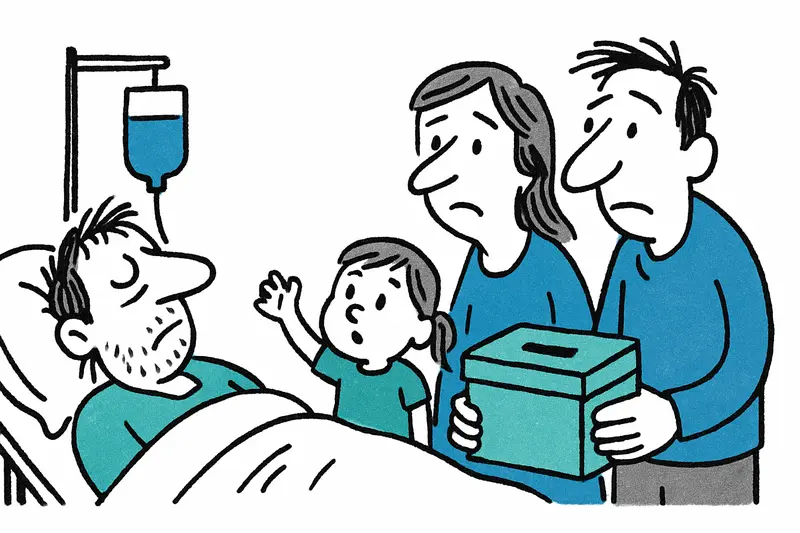
At the end of May a 32-year-old German holidaymaker was seriously injured at Playa de Palma and admitted to the Palmaplanas clinic. According to the family, unknown persons are said to have already introduced an incapacitating substance into the man's drink. He was still able to walk back to his aparthotel, collapsed there and spent several days in the intensive care unit. His relatives say there was no international health insurance. For this reason the family, represented by Jana Melchior from Perl, launched a fundraising campaign on GoFundMe. The campaign appeals to the public with the small voice of three-year-old Malia and has so far collected thousands of euros toward the requested €25,000 in hospital costs.
Critical analysis: The report highlights several systemic weaknesses. First: prevention and education. Again and again we hear about cases where people suddenly feel unwell, want to return to their hotel and then become victims of theft or violence, as documented in Brawl at Playa de Palma: Why a verbal exchange could have ended fatally. Second: protection. The case shows how quickly high costs arise when no appropriate insurance applies. Third: investigative and protection structures on site. The police are investigating an alleged violent crime at Playa de Palma, and similar concerns were raised after a recent seaside emergency reported in Playa de Palma: Death at Balneario 2 – How good is Mallorca's help for people in need?, while residents and workers along the promenade continue to report chaotic nights, low presence in some streets and gaps in night monitoring.
What is missing from the public debate: the voices of those who experience the problem every summer away from the headlines — hotel porters, night-shift waiters, taxi drivers, cleaning staff — a point highlighted in Mourning at Ballermann: Who protects the most vulnerable at Playa de Palma?. They see more often than tourist groups where people start to stagger, when disputes escalate and which corners are particularly risky. There is also a lack of clear guidance for those affected and their families: who should I contact immediately? Which documents do I need? How should I proceed legally if the perpetrator is not caught?
An everyday scene from Palma: It is early morning on the Passeig along Playa de Palma. The sun is already strong, the seagulls scream, a garbage truck rolls by. In the corner street café a server polishes the glasses while tourists in sun hats study maps. This apparent calm is deceptive; at night the same streets turn into hotspots where a mixture of alcohol, music and crowds makes conflicts more likely.
Concrete solutions: 1) Prevention campaign at hotspots: short, multilingual notices in bars, beach venues and at hotel receptions about drink safety and how to act when help is needed. 2) Training for hotel and catering staff: recognizing spiking symptoms, emergency protocols, contact persons in cases of suspicion. 3) Expansion of safe night zones: better lighting, regular patrols, coordinated presence of civil protection and police at the key points of Playa de Palma. 4) Transparent support for victims: a central online guide from island authorities (in several languages) with information on hospital costs, consular assistance, legal advice and how to file a report. 5) Tourist precaution: clearer information when booking about the importance of international health insurance and how to obtain it easily.
For the acute case of the affected family, donations help in the short term to secure medical care and travel costs. In the medium term, however, structures are needed so that those affected are not solely dependent on online collections. This is not about general alarmism, but pragmatic protection: more consistent prevention, simpler information channels and better cooperation between hotels, hospitality, police and health services.
Pointed conclusion: A three-year-old girl who begs for her dad brings a bitter truth to light: tourism and safety are closely linked in Mallorca. Anyone who wants to feel comfortable on the island must, both as a visitor and as a host, take a few realistic precautions. The fundraiser fills a humane gap. Politics and local practice should close the other one.
What you can do now: Anyone who wants to help can support the publicly accessible fundraising campaign. Those who live or work on the island: talk to colleagues, share prevention tips, and report suspicious incidents — even small observations can help investigators.
Frequently asked questions
What is the weather like in Mallorca in spring?
Can you swim in Mallorca in spring?
What should I pack for Mallorca in spring?
Is spring a good time to visit Mallorca?
What is Sóller like in spring?
Is Palma easy to explore in spring?
Are Mallorca beaches busy in spring?
What outdoor activities are best in Mallorca during spring?
Similar News

World Cup Trophy in Palma: Two Days Up Close
The World Cup trophy is coming to Palma at the end of October: two days on display at City Hall, and on 31 October photo...

End of October: Can you still swim in the sea in Mallorca?
The late-autumn sun still warms the air and the sea has retained its summer heat—many people don't pack away their swimw...
Years of abuse in Costa de la Calma – Neighbor calls Guardia Civil
In a villa in Costa de la Calma a neighbor alerted the Guardia Civil: a 19-year-old woman reported years of violence by ...

Schauinsland Takes Over Management of the Morito in Cala Millor – a Reality Check
From March 2027 the German tour operator Schauinsland will manage the Morito hotel in Cala Millor. The Batle Erikson fam...
Still bathing season? Why Mallorca still invites a plunge into the sea at the end of October
The air is mild, the beaches quieter — and the water surprisingly warm. We have summarized the current temperatures and ...
More to explore
Discover more interesting content

Can Cap de Bou

Townhouse Lleo 72
