

Giant stingray between the rocks: Rare sighting off Cap Andritxol
Giant stingray between the rocks: Rare sighting off Cap Andritxol
A diver spotted a more than two-meter-long stingray off the west coast near Cap Andritxol. For the waters off Mallorca this is a rare, hopeful moment — and an invitation to take a closer look.
Giant stingray between the rocks: Rare sighting off Cap Andritxol
A surprising encounter underwater — and a sign that our coasts have more to offer than you might think
In the early morning, when the air over Port d'Andratx still smells of seaweed and diesel and seagulls circle above the boats, moments occasionally arise that take your breath away. That's what happened to the well-known diver Ramón Javier Fernández Barea, known as "Es Canari", during a dive on the west coast near Cap Andritxol: between two rocks lay an impressive specimen of a stingray, clearly more than two meters long.
Such encounters are rare. Ramón, who in his free time also helps clean up the coasts and documents his dives with a camera, says he has seen only a few specimens over the years. For divers and sea lovers this isn't just a sensational find: it's a reminder that our coasts are habitat for large, shy marine animals.
What is hardly noticeable on land becomes visible beneath the surface: shady crevices, Posidonia oceanica seagrass meadows and pebbly bottoms that serve as refuge for fish, crustaceans and also for larger rays. The stingray apparently sought shelter between stones — a scene that, in calm seas and clear water, almost looks like a film scene.
Why is this important for Mallorca? First: sightings like this spark interest. Divers, nature photographers and scientists look more closely; similar incidents, like the discovery described in Dead Shark on the City Beach: What the Large Wound Reveals About Mallorca, illustrate the need for research. Second: they show that despite pressures such as those described in Dead shark on Palma's city beach: a sign of a bigger problem? the island's waters still provide structures in which larger species can survive. This is not a guarantee, but a chance — and one that can be used.
A small, very Mallorcan everyday moment: fishermen sit on the quay mending nets, a dog sleeps in the shade, and out further a ray glides by silently. Such images connect people to the sea in an immediate, unpretentious way. Whoever has seen an animal of this size underwater will talk about it for weeks — it awakens respect and curiosity, not only among tourists.
Concrete ideas on how this positive energy can be used: local dive clubs could systematically collect sightings and report them to conservation organizations like the MedPAN conservation network. Marinas and beach offices could provide information leaflets explaining how to make encounters safe and respectful. Schools could be involved: a project "Observe Our Sea" would be an easy introduction to marine conservation for children.
Small steps are possible in everyday life too: divers, boaters and beachgoers can report photos and locations (for example through the iNaturalist citizen science platform) — that produces data researchers need; past incidents such as Body Recovered off East Coast: A Sign of Larger Problems at Sea? underline the importance of that information. At the same time, raising awareness about the importance of seagrass beds and quiet coastal areas helps ensure these habitats aren't disturbed unintentionally.
The sighting at Cap Andritxol is neither a panic nor a triumphalist report. It is a beautiful, almost poetic reminder that the Mediterranean off our doorstep is not a sterile postcard but a living space. And it is an invitation: let's look more closely, learn and act with curious local engagement.
In the end the image from Ramón's video remains: a calm giant resting between the rocks, undisturbed by the small commotions on the surface — and a piece of Mallorcan coast that asks us to stay attentive.
Frequently asked questions
Can you see stingrays off Mallorca, and how rare are they?
Where do stingrays usually hide near the coast in Mallorca?
Is it safe to dive near Cap Andritxol in Mallorca?
What should you do if you see a large stingray while snorkeling or diving in Mallorca?
Why are Posidonia seagrass meadows important in Mallorca?
What is the best time of day to see marine life in Mallorca?
How can divers report unusual marine sightings in Mallorca?
Why do rare wildlife sightings matter for Mallorca’s coast?
Similar News

Cafetería San Siro: A Meeting Place on Schinken Street Since 1966
In the middle of Schinken Street, Cafetería San Siro has been offering Mallorcan hospitality for more than six decades —...

From Ballermann to Prison: What the Verdict Against the Femina Operator Means for Palma
The Munich Regional Court convicted a German operator for subsidy fraud. What does the verdict mean for the Femina Club,...
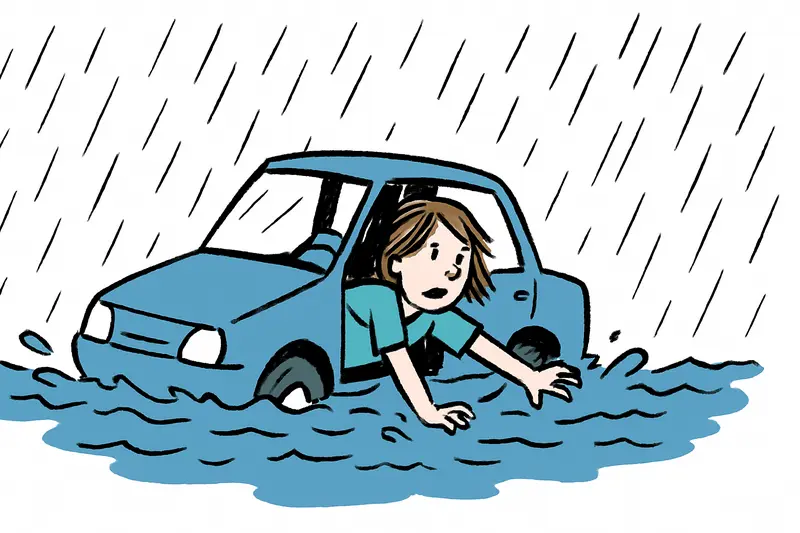
Underpass Verge de Lluc: 19-year-old fights her way out of flooded car – a warning sign for Palma
A 19-year-old recently escaped swimming from her car after the Verge de Lluc underpass held up to one and a half meters ...

When the Floodgates Open Again: Why Palma's Floods Aren't a Coincidence
A sudden heavy downpour around 5 p.m. brought Palma to a standstill: flooded streets, full basements, panicked commuters...
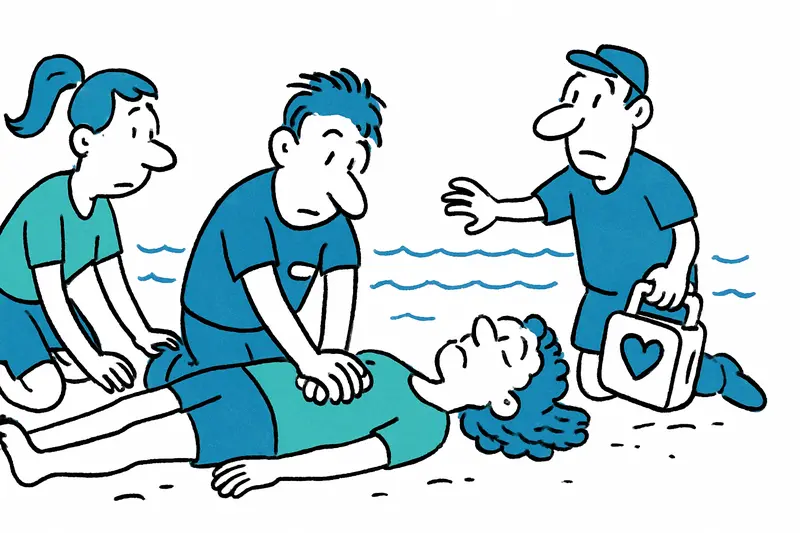
Playa de Palma: Life-saving at Balneario 11 – Lifeguards Act Quickly
A German holidaymaker suffered cardiac arrest at Playa de Palma. Lifeguards resuscitated her on the beach; emergency ser...
More to explore
Discover more interesting content

Can Cap de Bou

Townhouse Lleo 72
