
GPS Trace Leads to Arrest: What the Mobile Phone Theft in Can Picafort Reveals About Security and the Public Sphere
GPS Trace Leads to Arrest: What the Mobile Phone Theft in Can Picafort Reveals About Security and the Public Sphere
A stolen smartphone, a geolocation signal and an inspection on an intercity bus near Playa de Muro — the case raises questions about data protection, procedural practice and the media's naming of origin characteristics.
GPS Trace Leads to Arrest: What the Mobile Phone Theft in Can Picafort Reveals About Security and the Public Sphere
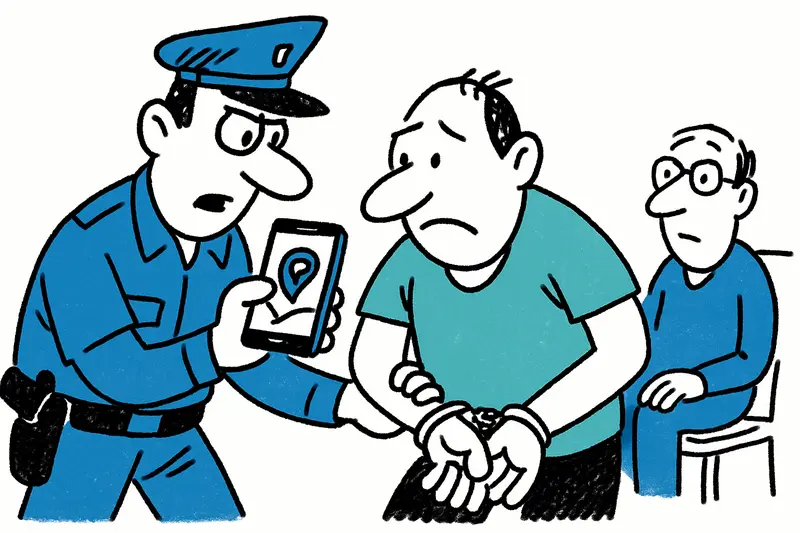
Last Sunday a short but striking operation unfolded on a bus route between Artà and Alcúdia: a smartphone stolen in Can Picafort was tracked via its built-in location function. The Guardia Civil stopped an intercity bus near Playa de Muro, checked the passengers and found the device on an 18-year-old man. The owner got her phone back and the accused was handed over to the judiciary, echoing Phone Tracking Leads to Arrest in Palma – One Case, Many Questions.
Key question
Is it acceptable to rely on quick technological solutions when personal rights and public perception are at stake?
Critical analysis
The GPS tracking clearly led to a rapid clarification in this case. That is an obvious advantage for the victim and the investigators. At the same time, it remains unclear what considerations were made at the moment: how long was the signal followed, who decided to stop the bus, and to what extent were the rights of fellow passengers respected? Such operations happen in seconds, but the legal and practical implications require oversight. This is particularly relevant given incidents such as Arrests at Playa de Palma: How safe are phones on the Schinkenstraße?.
A second area of concern is the media mention of characteristics of origin. In the available factual reporting the alleged origin of the suspect is mentioned. This quickly creates associations in the public mind, even though legally only the allegation exists at first. Reporting and police statements must therefore weigh very carefully which information is actually relevant and which fuels prejudice.
What is often missing from public debate
There is a lack of concrete information about the procedural steps after GPS tracking: who is allowed to request access to a device's location data, and how are uninvolved persons protected? In addition, there is little discussion about how bus passengers are safeguarded during checks — for example, whether inspections on board are transparently documented and what measures exist against unjustified intrusions. Finally, the question of when mentioning origin characteristics is justified is rarely discussed systematically in public.
An everyday scene from Mallorca
Imagine the scene: the bus brakes gently, the rattle of the air conditioning mixes with the scent of pine resin and salty air, chatter in several languages, a few suitcases in the aisle. Passengers look up, some reach for their tickets, others stay silent. The check lasts only a few minutes, yet the event remains in everyone's mind. Moments like these shape trust in security and institutions — on an island that relies heavily on tourism, as seen in Playa de Palma at Night: Phone Tracking Catches Suspect — But What Does It Say About Our Safety?.
Concrete approaches
1) Transparent standards for tracking: police and Guardia Civil should have clearly communicated guidelines on when and how geolocation data may be used, including documentation and protocols for each operation. 2) Protection of uninvolved persons: checks on public transport need rules that protect bags and the privacy of uninvolved people — for example, an obligation to document and a possibility to file complaints. 3) Media guidelines on mentioning origin: editors should assess whether stating a person's origin or migration background provides journalistic value or merely fuels prejudice. 4) Public information for citizens: owners should be regularly informed on how to activate tracking services and the key steps to take after theft (reporting, blocking, tracking).
Conclusion
The quick investigative success shows that technology can be useful. At the same time it is clear: quick solutions do not replace binding rules. Mallorca needs both — efficient responses to crime and transparent procedures that protect everyone's rights. If the island community discusses these issues openly, practices can be found that strengthen both security and the rule of law.
Frequently asked questions
What is the weather usually like in Mallorca in September?
Is September a good time to swim in Mallorca?
What should I pack for Mallorca in September?
Is September a busy month in Mallorca?
Is September a good month for outdoor activities in Mallorca?
What is the weather like in Palma de Mallorca in September?
Are Mallorca beaches still worth visiting in September?
What are the best things to do in Mallorca in September?
Similar News

The Painter Who Invented Himself: How a Young Viennese Drew Mallorca
A hundred years ago a 19-year-old draftsman arrived in El Terreno. His diary and sheets, long known under the pseudonym ...

Released with Conditions: The Plus Ultra Suspicion and a Mallorcan Finca as Residence
A Dutch entrepreneur, sought in connection with the Plus Ultra case, was extradited to Spain after his arrest in Germany...

Haute Nuit in Puerto Portals: Fashion, Art and Indulgence by the Water
On October 2 the Lobster Club in Puerto Portals will be transformed into a stage for curated fashion, art and culinary e...

Magaluf: Watchtower Alarm – Lifeguards Pull Unconscious Beachgoer from the Water
After a drama in the late afternoon, two lifeguards at Magaluf beach rescued an unconscious 44-year-old man. He was stab...

Turquoise in the City: How dangerous is the color play of the Sa Riera?
The Sa Riera in Palma suddenly turned turquoise — a pretty motif, but behind the effect lies a discharge of saline waste...
More to explore
Discover more interesting content

Can Cap de Bou

Townhouse Lleo 72
