
Woman fined after severe dog-bite attack: Who protects volunteers on Mallorca?
Woman fined after severe dog-bite attack: Who protects volunteers on Mallorca?
A volunteer was seriously injured by an American Bully named Bruno — and is now being penalized by the local police in Bunyola for lacking a permit for "dangerous dogs." A practice that raises questions.
Woman fined after severe dog-bite attack: Who protects volunteers on Mallorca?
Key question: Is the criminal procedure against the victim proportionate — and where is the protection for people who work in animal shelters?
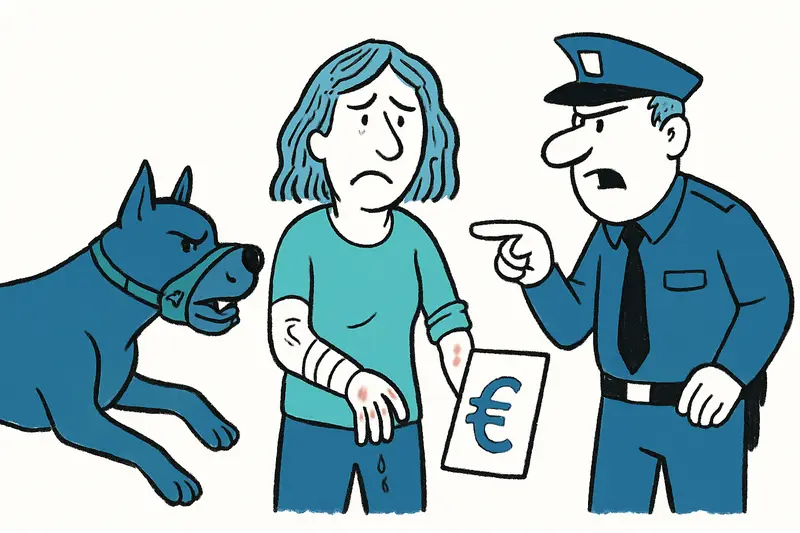
On July 21 a volunteer from the Son Reus animal shelter in the north of the island was seriously injured when she tried to put a muzzle on an American Bully so the dog could enter a veterinary practice in Palmanyola. The dog, known as Bruno and, according to the shelter, partially blind, bit the helper in both arms and in the chest. She had to be taken to Son Espases hospital, undergo emergency surgery and receive medical treatment to her arms and chest.
Just a few days after this incident, the local police in Bunyola initiated a fine procedure against the injured woman because she did not have an official permit to keep so-called potentially dangerous dogs. The possible sums are high: between €2,400 and €15,000, this is the legal range affected people may face. At the same time, the dog is in the custody of the animal welfare authority Cepad and has been quarantined in facilities in Santa Eugènia. Information from the shelter's circle indicates that Bruno had already bitten another person shortly before on Menorca, a type of repeated incident also seen in Who Is Responsible? Dog Injures Four-Year-Old on Playground in Son Armadans.
This constellation — helpers as injured parties and at the same time recipients of a fine notice — is bitter and puzzling. On Mallorca many volunteers are engaged in municipal pounds and private rescue centers; they are often the ones who take in animals, care for them and prepare them for adoption, as highlighted in Female dog in a trash container: What the Pollença case says about our relationship with animals. If precisely those people come under fire over formalities, the system collapses.
What has been missing so far in public debate is a clear separation between owners, keepers and temporarily authorized handlers. Current law provides that special permits are required to keep certain breeds or animals. It is less clear, however, how to deal with cases in which a person is not a permanent keeper but acts as a voluntary caregiver or as an accompanying person during transport to the vet. There is also a lack of binding practices for shelters to minimize risks when handling problematic dogs — for example clear transport protocols, mandatory muzzles or accompaniment by trained staff; the need for clearer public debate has been underlined by incidents such as Playground attack in Palma: Who protects our children from unleashed dogs?.
Everyday scene on the island: In the early morning hours at the Bunyola market you hear the hum of a delivery van, the old woman retrieving her bag of almonds from the fruit stall, and in the veterinary practice in Palmanyola a faint rustle of papers, a hustle of people with boxes and leashes. Volunteers dash between car and entrance, trying to calm a vulnerable situation — and risk themselves becoming the focus of legal problems.
Critical analysis: The fine against the injured woman appears like a bureaucratic reflex that covers up the real problems. Instead of addressing the question of responsibilities and prevention, an individual is sanctioned. Such decisions can deter volunteering, which already often operates at the limits of resources and legal protection, and contrast with rulings that place responsibility on authorities, such as Palma must pay €106,700: Ruling after fall in unlit dog zone. Particularly problematic is that the dog had already had an incident on Menorca — this points to gaps in checks during adoption and transport processes across the islands.
Concrete solutions that should be discussed now: 1) A clearly defined exemption or transitional rule for registered volunteers in official shelters who temporarily work with "dangerous" dogs; coupled with training and liability agreements. 2) Uniform requirements for the safe transport and presentation of dogs at veterinary practices (mandatory muzzles, two accompanying persons, secure crates). 3) A reporting and information system run by the Balearic authorities for incidents involving dogs, so that previous bite incidents are taken into account in placement decisions. 4) Free legal advice for victims of animal attacks so that those affected are not additionally burdened financially. 5) More resources for rescue centers so that risky animals can be better cared for instead of being rushed into quick rehoming.
What could happen immediately: The municipal police of Bunyola could suspend the proceedings until it is clear in what capacity the woman acted — as an owner or as a helper of an official facility. Son Reus and Cepad could publish binding handling protocols to demonstrate that they are systematically working on safe procedures. And the health authority could review which protective measures should be mandatory during visits to veterinarians.
Conclusion: It is not only sad that a helper was injured. It is alarming when the system's response is: a fine against the victim. That sends a signal to all volunteers on the island: be careful, your commitment could become expensive. Those who protect animals must not be left alone by rules intended for owners but applied to helpers. We need pragmatic, legally clear solutions — and fast, before more volunteers drop out.
Frequently asked questions
What should volunteers in Mallorca know about handling potentially dangerous dogs?
How are Mallorca shelters currently protecting volunteers who help with dogs?
What happened during the July incident in Palmanyola involving a volunteer and a dog?
Are volunteers in Mallorca at risk of fines for lacking official dog-handling permits?
What concrete solutions are proposed to improve safety for volunteers and dogs in Mallorca?
How could Mallorca authorities track dog bite incidents to inform dog placements?
What protections exist for victims of dog attacks in Mallorca?
What immediate steps could be taken in Mallorca to improve safety in animal shelters?
Similar News
Released with Conditions: The Plus Ultra Suspicion and a Mallorcan Finca as Residence
A Dutch entrepreneur, sought in connection with the Plus Ultra case, was extradited to Spain after his arrest in Germany...

Haute Nuit in Puerto Portals: Fashion, Art and Indulgence by the Water
On October 2 the Lobster Club in Puerto Portals will be transformed into a stage for curated fashion, art and culinary e...
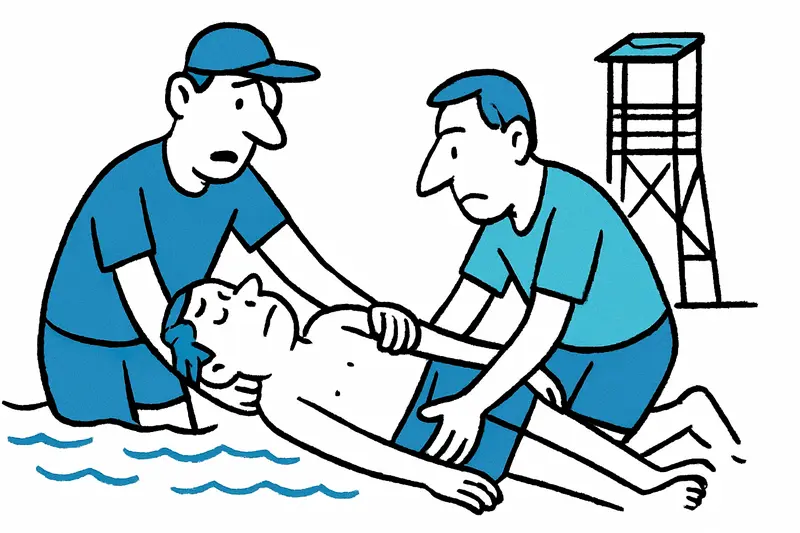
Magaluf: Watchtower Alarm – Lifeguards Pull Unconscious Beachgoer from the Water
After a drama in the late afternoon, two lifeguards at Magaluf beach rescued an unconscious 44-year-old man. He was stab...

Turquoise in the City: How dangerous is the color play of the Sa Riera?
The Sa Riera in Palma suddenly turned turquoise — a pretty motif, but behind the effect lies a discharge of saline waste...

Jeckliner at Sunnesching: Cologne spirit sets sail from Palma
In September 2027 the Mein Schiff 2 briefly becomes a floating carnival stage: four days with Cologne bands, comedy and ...
More to explore
Discover more interesting content

Can Cap de Bou

Townhouse Lleo 72
