
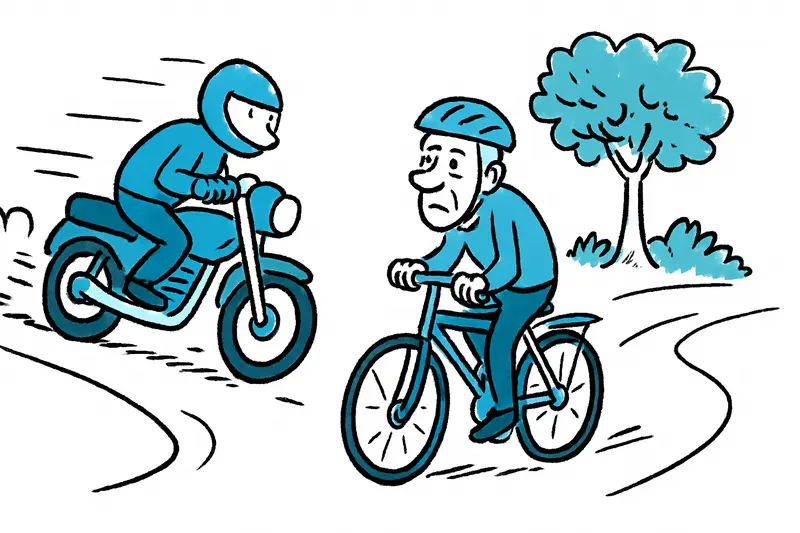
"He overtook, cut the corner, disappeared" – Reflections after the fatal accident near Pollença
"He overtook, cut the corner, disappeared" – Reflections after the fatal accident near Pollença
An 83-year-old cyclist was struck by a Mercedes on the MA-2200 near Pollença and died despite resuscitation attempts. The driver fled and was later arrested. What is missing in the conversation about such tragedies — and what needs to change?
"He overtook, cut the corner, disappeared" – Reflections after the fatal accident near Pollença
Leading question: Why does a morning bike ride on the MA-2200 end with the death of an elderly man — and how do we stop such scenes from becoming a tragic routine?
Early in the morning on the country road between Pollença and the port: wavering heat above the asphalt, the hum of a distant engine, moped exhaust and the clinking of coffee cups from the village bar. At precisely that spot, at about kilometer 54 of the MA-2200, an 83-year-old cyclist was struck by a moving Mercedes, thrown away and landed in a concrete drainage channel beside the road. Paramedics and helpers attempted to resuscitate him — in vain. Similar emergency responses were described in Serious Traffic Saturday: Cyclist Dies in Selva.
The facts known so far are grimly clear: a Mercedes ML280 pulling a conspicuous pink trailer overtook the cyclist, returned to its lane, and the man was hit. The driver left the scene. Hours later, in the afternoon, the Guardia Civil arrested a 30-year-old man; he is accused of negligent homicide and leaving the scene of an accident. Cases of drivers fleeing the scene, like After head-on crash in Palma: Fleeing and many questions – 31-year-old dies, complicate investigations. A doctor from the emergency services, who happened to be off duty, immediately began cardiopulmonary resuscitation until the local police arrived. About ten minutes after the measures began, an ambulance arrived.
When I think of the spot, I see a narrow road without a bike lane, a row of olive trees, heat shimmering, and cars squeezing past one another as if space were a privilege. This is Mallorca as we see it in the mornings: cyclists on their way to the bakery or to work, and drivers rushing past them. The risk for older people is particularly high.
Critical analysis: At first glance two mistakes sit side by side — possibly a dangerous overtaking maneuver and fleeing the scene. But assigning blame falls short if we do not look more broadly. The MA-2200 is a country road with heavy through traffic, often with trailers and tourist luggage. There is a lack of clear, protected cycling routes; signage warning of increased bicycle traffic is sparse. There are also hardly any visible countermeasures against risky overtaking maneuvers: lane widths, road markings and sightlines all play a role, and concerns about trailer safety have been raised in reports such as Fatal accident near Capdepera: motorcycle collides with microcar on MA-4040.
What is missing from the public discourse: We quickly talk about individual guilt — and about prosecution — but hardly about the structural conditions that make such accidents possible. There is a lack of data on traffic safety on secondary roads, of maps showing accident clusters, of discussions about trailer inspections and of local programs that protect older cyclists. The question also remains how quickly rescue resources are actually available in sparsely populated areas: ten minutes until an ambulance is a long time in acute cases, a problem highlighted by reporting on incidents such as Head-on Crash near Manacor: Two Dead, Questions Remain.
An everyday scene: At Plaça Major in Pollença at eight in the morning, workers sit at small tables, laugh briefly before they set off. They know the routes, they warn the occasional tourist about tight corners. Many here wear high-visibility vests, some have small rearview mirrors on their handlebars. Yet the worry remains that it takes only a moment and a landscape changes forever for a family.
Concrete solutions, not wishful thinking:
1. Visible speed reduction and overtaking bans at danger spots. Where the road is narrow and curves are hard to see, clear no-overtaking zones, markings and — where possible — physical narrowing measures for traffic calming must be introduced.
2. Targeted expansion of protected bike lanes. Even short, continuous sections with paved shoulders or separate paths would dramatically reduce the danger.
3. Controls for vehicles with trailers. Trailers change vehicle behavior. Regular inspections and mandatory lighting and visibility standards make sense.
4. Better marking of accident hotspots and faster emergency planning. If rescue resources take longer, local first responders, AED stations and visible emergency points must be established.
5. Prevention for older road users. Information campaigns in villages, free safety checks for bicycles, reflectors and training offers.
Conclusion (concise): A single overtaking act ended a life — but responsibility goes further. It's convenient to ascribe the act to a single driver and refer the matter to the justice system. Responsibility also means designing roads so that such decisions are less likely to be fatal. When we drive along the MA-2200 again tomorrow, the question should not only be about punishment, but about measures that prevent someone else from never finding their way home again.
Frequently asked questions
What is Mallorca's climate like throughout the year?
Is the sea warm enough for swimming in Mallorca during different seasons?
What should I pack for a trip to Mallorca?
What are the best ways to get around Mallorca without a car?
What outdoor activities are popular in Mallorca?
How can I stay safe under Mallorca’s sun?
What local foods should I try in Mallorca?
When is Mallorca busiest, and how can I avoid crowds?
Similar News
Released with Conditions: The Plus Ultra Suspicion and a Mallorcan Finca as Residence
A Dutch entrepreneur, sought in connection with the Plus Ultra case, was extradited to Spain after his arrest in Germany...

Haute Nuit in Puerto Portals: Fashion, Art and Indulgence by the Water
On October 2 the Lobster Club in Puerto Portals will be transformed into a stage for curated fashion, art and culinary e...
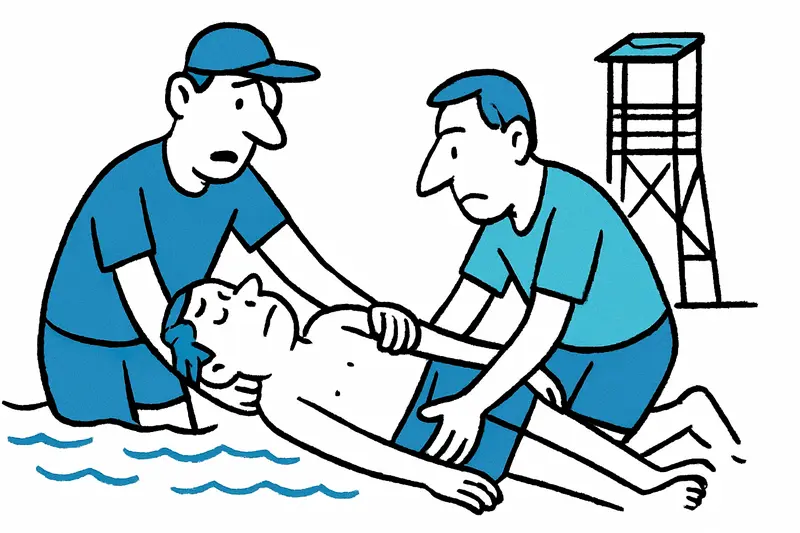
Magaluf: Watchtower Alarm – Lifeguards Pull Unconscious Beachgoer from the Water
After a drama in the late afternoon, two lifeguards at Magaluf beach rescued an unconscious 44-year-old man. He was stab...
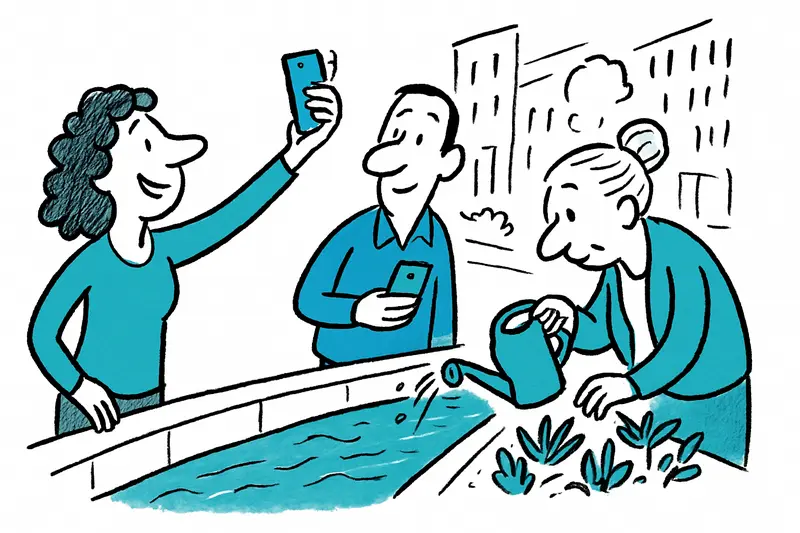
Turquoise in the City: How dangerous is the color play of the Sa Riera?
The Sa Riera in Palma suddenly turned turquoise — a pretty motif, but behind the effect lies a discharge of saline waste...

Jeckliner at Sunnesching: Cologne spirit sets sail from Palma
In September 2027 the Mein Schiff 2 briefly becomes a floating carnival stage: four days with Cologne bands, comedy and ...
More to explore
Discover more interesting content

Can Cap de Bou

Townhouse Lleo 72
