
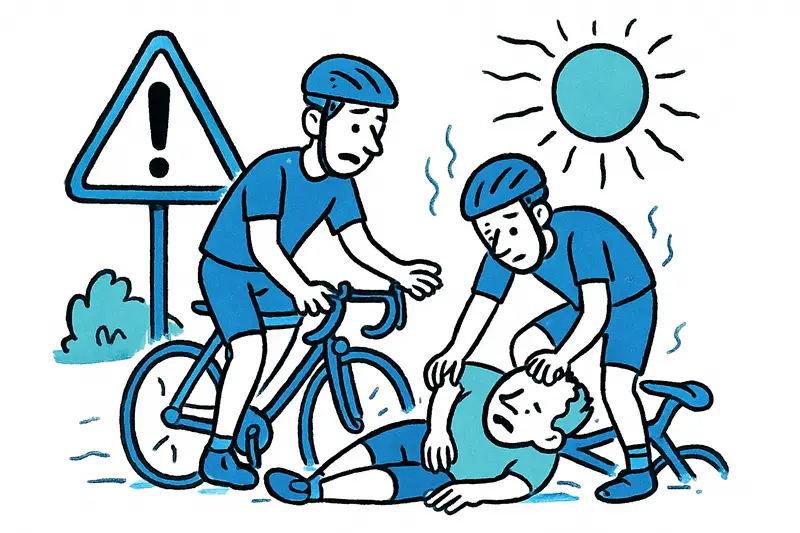
Heat casualty on a bike tour in Soller: warning signs, gaps and simple solutions
Heat casualty on a bike tour in Soller: warning signs, gaps and simple solutions
A 66-year-old cyclist collapsed on the old Ma-11A at the Coll de Soller in extreme heat and died despite resuscitation. Time for an honest assessment: what is missing so this does not happen again?
Heat casualty on a bike tour in Soller: warning signs, gaps and simple solutions
The scene was typical for a late summer day in the Tramuntana: cicadas chirped, the air smelled of hot asphalt and orange blossoms, and on the Ma-11A a small group of cyclists slowly climbed the old pass. One of them, a 66-year-old tourist from the Netherlands, already felt unwell at the hotel but rode on anyway and collapsed during the ascent. Despite rapid assistance from the Policia Local de Soller, Guardia Civil and SAMU 061 and the use of an automated external defibrillator, his life could not be saved.
Key question
How well prepared is Mallorca for heat-related emergencies during leisure activities and how much responsibility lies with tourists, hosts and authorities?
Critical analysis
The facts: heat warning, temperatures around 36 °C, high humidity, an ascent on an exposed mountain road and a man who had already felt unwell before the tour. The interplay of climate, physical exertion and preexisting conditions is well known. Still, three things stand out: first, many cyclists underestimate the effect of heat on the cardiovascular system; similar fatal incidents, such as a cyclist who died near Selva, underline this risk; second, information about current warning levels does not always reach the people who leave their hotels in the morning; third, infrastructure is not everywhere designed to enable quick recovery breaks or cooling.
What is missing in the public debate
People often talk about rescue operations and rarely about prevention. We discuss temperatures and emergency vehicles, not how hotels or bike rental companies can really protect their guests. AEMET warnings often remain in a push notification instead of being prominently displayed at receptions and rental points. Equally little discussed is whether bike tours in extreme heat should be time-regulated or better supervised, while high-profile incidents such as the helicopter rescue of a 70-year-old hiker in the Torrent de Pareis or a Swiss tourist who collapsed in Andratx after a hike show how varied leisure risks can be.
Everyday scene in Soller
On the Plaça de la Constitución couples have breakfast, guests lug backpacks, baristas serve cold café con hielo. Around nine the streets are still tolerable, but by eleven the air becomes heavy. On the Ma-11A there are no shady benches, only a few stone walls where exhausted day-trippers can briefly rest. A local transporting olives shrugs, noting that locals know when the midday heat arrives while many guests do not.
Concrete solutions
- Mandatory information for providers: Hotels and bike rental companies should post visible, updated heat warnings and actively point out risks. A simple information sheet on heat precautions can save lives. - Time windows for exposed tours: Organizers could concentrate rides in the morning and evening hours when temperatures are lower. - Drinking and cooling infrastructure: More water stations, buckets with ice water on popular routes and shaded rest areas along the Ma-11A would prevent exhaustion. - Training and equipment: Rental companies and tour guides should receive basic training to recognize heat symptoms; AEDs and emergency plans must be more accessible, as shown by the cardiac arrest in Caimari. - Public information campaigns by authorities: Short and practical messages distributed through hotels, rental shops and car rental stations, complemented by AEMET warnings.
Why this is feasible
Many measures are low cost: notices, training and additional water stations are manageable. Mallorca depends on tourism so protecting guests is also an economic concern. Authorities, local communities and private providers do not need to reinvent everything but should adapt existing routines to the reality of increasing heat.
Clear conclusion
The immediate loss is tragic and cannot be undone. But such cases should lead to sober learning: anyone traveling mountain roads needs information, shade, water and a clear awareness of personal limits. Soller, the Ma-11A and all places with similar risk factors deserve not sympathy after the event but forward-looking measures beforehand.
When we next take the pass, not only should the view be right but also the question: Do I have enough water? Does my rental company know? Are we riding while the sun is still merciful?
Frequently asked questions
When is the best time to visit Mallorca for good weather and beaches?
Is it safe to swim in Mallorca's sea year-round?
What should I pack for a Mallorca trip?
What to see in Palma de Mallorca's old town?
Is Alcúdia good for family-friendly beaches?
Why take a day trip from Palma to Sóller?
Is Cap de Formentor worth visiting from Mallorca?
How to handle crowds and peak season in Mallorca?
Similar News
Unrest on the doorstep: What Barcelona's riots mean for Mallorca
128 arrests in Barcelona, numerous injured and devastated shops: Why the wave of violence 260 kilometers away can also b...
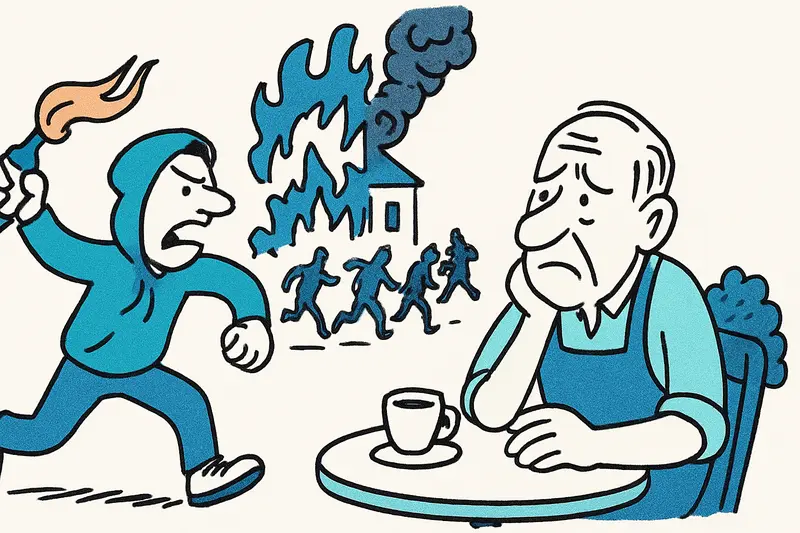
Why the unrest in Barcelona should be a wake-up call for Mallorca
A TikTok call led to nighttime violence and hundreds of arrests in Barcelona, many of them minors. What is behind the ph...
Palma under the microscope: 87 arrests over forged passports – what now?
The National Police stopped 87 people at Palma airport this year with allegedly forged documents. Why are controls alone...
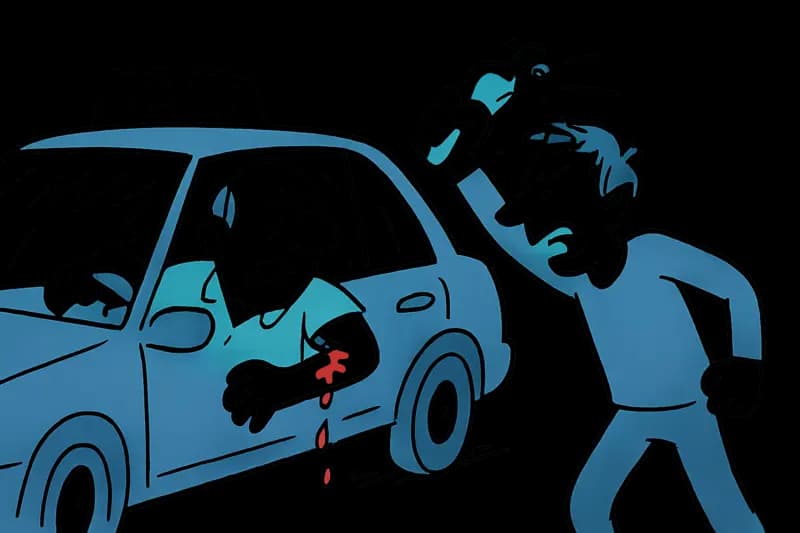
When a Taxi Fare Dispute in Magaluf Turned Bloody: How Safe Are Passengers and Drivers?
In Magaluf a dispute over the fare escalated: a tourist, now 18, is accused of having seriously injured a taxi driver in...
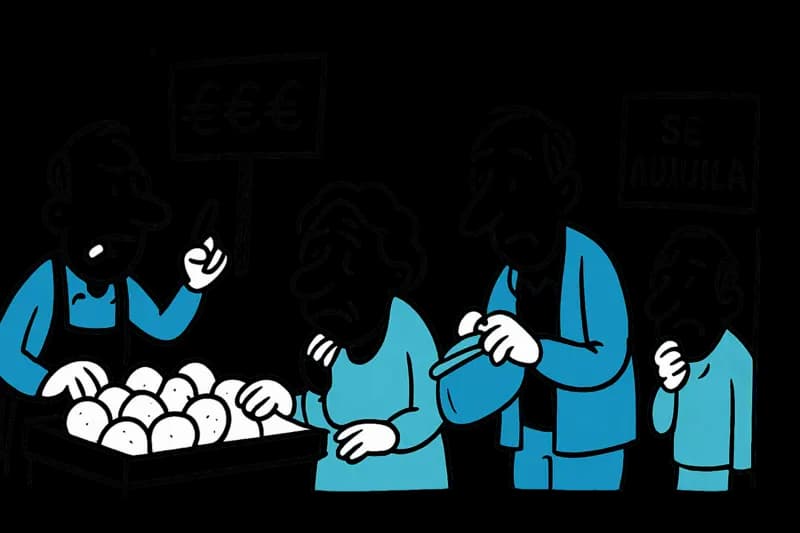
Why Mallorca Has Become So Terribly Expensive — A Reality Check
Rents are exploding, staple food prices are rising, wages are lagging behind. A look at the causes, what is missing from...
More to explore
Discover more interesting content

Can Cap de Bou

Townhouse Lleo 72
