
Heavy Downpour on the East Coast: Cala Millor, Capdepera and Artà Need More Than Temporary Aid
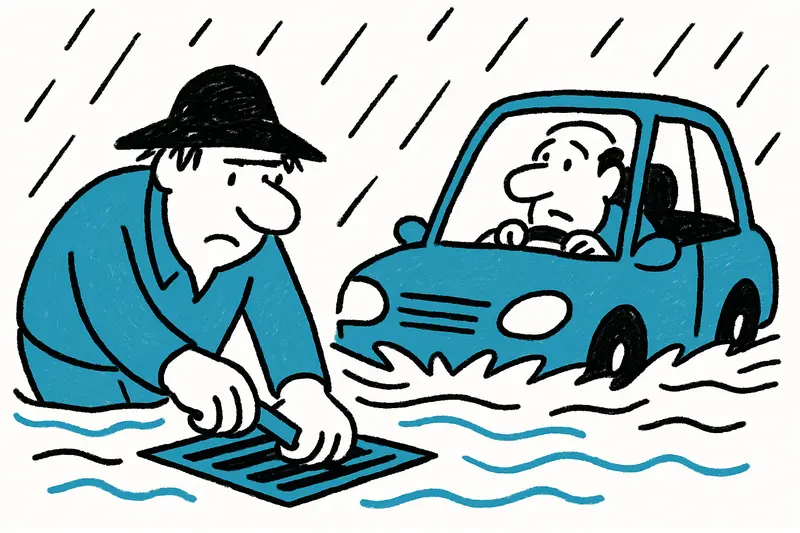
A heavy afternoon shower turned streets into streams. Cala Millor was hit hardest. Protección Civil assisted, neighbors cleared gullies — but the question remains: Is that enough prevention?
Sudden water, short time: An afternoon that calls for consequences
Late on Friday afternoon a short but extremely intense downpour turned the promenade of Cala Millor into a scene of dripping and runoff. I stood at the edge of the waterfront promenade, heard the drumming on the roofs, smelled the wet soil and saw market stalls folding up in haste. Cars crept along the main arteries, side streets became flowing streams. That’s how an afternoon felt that shouldn’t have happened.
Which places were hit and how people reacted
Cala Millor was particularly hard hit: in places the water was ankle-deep, cellars reported intrusions, and bus lines passed stops with delays. Large puddles accumulated in Capdepera, and in Artà and Canyamel residents arrived with shovels and wheelbarrows to clear gullies or push vehicles out of deeper spots. Protective clothing was rarely seen — but there was a lot of solidarity: young people helped with cordons, and a baker in Capdepera covered his shelves behind the counter.
Emergency services and the first assessment
Protección Civil and the municipal public works departments responded with pumps. An employee reported at the town entrance about several flooded basements, but only minor injuries to people. The mood was tense but pragmatic: doors were held open, neighbors checked the drains together. Still, a feeling remained: this was more than a one-off mishap.
The real question: Are our systems still up to date?
This is the key question that lingers after an afternoon like this. AEMET had forecast local, intense showers — an orange alert for torrential rains — yet the speed at which the water accumulated surprised many. Rain amounts like those of that day reveal how sensitive streets, gullies and drainage systems are. We are not talking about storm surges here, but about Short downpour brings Manacor to a standstill that cause local flooding. And these events are expected to become more frequent in the future, an issue examined in Restless week in Mallorca: How well is the island prepared for heavy rain?
What is often overlooked
In the harbor cafés people talked after the storm about blocked gutters and inadequate sewer maintenance. That is correct, but incomplete. Three aspects are often not sufficiently addressed in public debate:
1. Sealing and development: New residential areas and parking lots reduce the soil’s absorption capacity. Rainwater reaches the drains faster — and overwhelms them.
2. Litter as an invisible culprit: Plastic, paper and wet leaves clog outlets faster than expected. Regular cleaning cycles are expensive, but are often cut back.
3. Responsibilities and tight budgets: Who is responsible — the municipality, the island council, the owners? When several parties are in charge, the task easily shifts from political priority to a tedious duty.
Concrete, pragmatic solutions
The problem is known; there are solutions. Some measures that could help locally right away:
Short-term: fixed cleaning cycles before the rainy season, pump teams on standby, clear information chains for traffic closures, public awareness campaigns to keep gullies clear.
Medium- to long-term: more green areas to retain water, permeable surfaces for parking lots and promenades, retention basins at natural catchment areas, investments in powerful sewer networks and separate stormwater systems.
Technology alone is not enough: clear responsibilities are needed, a budget that guarantees regular maintenance, and an early warning system that considers not only weather data but also local water levels and runoff capacities.
What everyone can do now
For residents: check cellars and storage rooms, secure electrical installations, clear parking areas and help older neighbors. Commuters should drive slowly, avoid deep underpasses and respect local closures. And: raise the issue in the village or town council — routine maintenance is often politically invisible until something goes wrong.
A small concluding thought
The storm was not apocalyptic. But it was a wake-up call: the sound of rain on the roofs, the smell of wet cork bark and the scraping of wheelbarrows at clogged gullies show that infrastructure maintenance here is more than bureaucracy. If we want to get through the next such afternoon more calmly, we must plan now, invest and — yes — clean the drains before the coffee spills.
Frequently asked questions
Why do sudden downpours in Mallorca cause flooding so quickly?
What should I do if my cellar floods during heavy rain in Mallorca?
Is Cala Millor prone to flooding after heavy rain?
How does heavy rain affect Capdepera?
What was the impact of the storm in Artà and nearby villages?
How can I prepare my home in Mallorca for heavy rain?
Are Mallorca roads safe to drive on during a downpour?
Why are drainage and sewer systems such a concern in Mallorca?
Similar News

Maribel: Five Decades of Service – Housekeeper from Peguera Celebrated with a Special Honor
Over 50 years in the hotel business: María Isabel “Maribel” Molinos was honored in Palma at the Nit del Turisme by Unive...

Orange Alert over Parts of Mallorca: Are We Prepared?
Dark clouds and an announced wet spell have triggered an Orange alert in parts of Mallorca. A reality check: what's miss...

Sundair & Co.: Sale speculation and what it could mean for Mallorca
Rumors about a possible sale of the airlines Sundair and Fly Air 41, which belong to Schauinsland-Reisen — and whether b...
Anne Wünsche in Mallorca: A job offer with a catch — who fits the role of personal assistant?
Influencer Anne Wünsche has left Berlin and is urgently looking for a full-time personal assistant in Mallorca. Why the ...

Daily from New York: Palma Between Boom and Strain
United will increase the Newark–Palma route to daily flights in 2027 using Boeing aircraft (231 seats). What does the in...
More to explore
Discover more interesting content

Can Cap de Bou

Townhouse Lleo 72
