
How Close Is Mallorca to 50 °C? A Reality Check on the Persistent Heat Summer
How Close Is Mallorca to 50 °C? A Reality Check on the Persistent Heat Summer
Since early July Mallorca has been in an unusually long heat phase. Experts say 50 °C is unlikely but warn that new, hotter summers are real. A critical look at risks, gaps in the debate and actionable countermeasures.
How Close Is Mallorca to 50 °C? A Reality Check on the Persistent Heat Summer
Key question: Can we expect 50 degrees on the island – and if so, what does that mean for everyday life and infrastructure?
Since early July a stifling heat has hung over the island that no longer feels like a short heatwave but like a new everyday reality. Aemet speaks of an unusually long phase of high temperatures that began on July 5. The question being asked on terraces, in buses and at construction sites is: Is the 50 °C threshold only a matter of time?
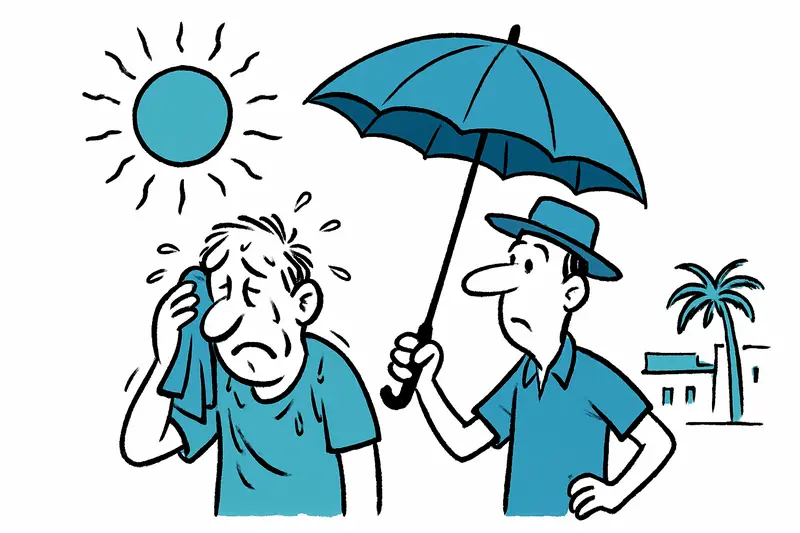
Scientific bodies and weather services are cautious. The central message: 50 °C is currently considered unlikely – not impossible. That distinction matters. Meteorologically, the island location and the Mediterranean typically limit extreme land temperatures, yet the probability of extreme heat events rises with the long-term warming trend, as recent coverage such as Heatwave reaches 42 °C: How Mallorca should cope with the new temperature peak shows. A practical example: Muro recently recorded 38.6 °C with around 50 percent humidity – the felt temperature was almost 48 °C. In Pollença, perceived temperatures of about 47.6 °C were recorded. Such stress hits older people, outdoor workers and urban infrastructure particularly hard, as local reporting Nearly 40 °C: Mallorca's Daily Life Under Heat Stress — How the Island Can Respond documents.
Critical analysis: What the sober numbers conceal
Numbers alone do not say how everyday life and cities respond. Meteorologists may consider 50 °C unlikely, but the combination of heat, high humidity and tropical nights worsens health burdens far beyond raw measurements. The previous peak of 44.6 °C (Sa Pobla, July 2023) already reads like a warning. More importantly: urban heat islands can create much higher stresses than rural measurement stations indicate.
Public debate often lacks the link between projections and concrete local adaptation. Authorities point to emergency plans and “cooling havens,” but how comprehensive are these havens in practice? How reachable are they for older people without a car if buses slow down or fail due to overheating? These questions too often remain vague; coverage questioning preparedness, such as When Mallorca Cooks: How Prepared Is the Island for the Next Heatwave?, points to gaps.
What is missing from the debate
Several points rarely make it onto the agenda: detailed heat plans for outdoor workers, binding adaptation standards for new buildings, municipal tree and water strategies to combat overheating, and clear rules for night work and delivery times during heat periods. Also little discussed is the strain on critical supply infrastructure: power grids, hospital cooling, drinking water supply and sewage systems come under increased stress once heat days are followed by nights without significant cooling.
Everyday scene in Mallorca
On an August afternoon along the Passeig you don’t just hear the cicadas; you see cafés pulling their blinds down, delivery drivers with wet cloths around their necks opening supermarket windows, and caregivers in residential areas hurrying through the alleys with sun hats and water bottles. At the market in Palma, the owner of a small fruit stall pushes a bowl of ice in front of the scale so the produce won’t wilt immediately. These are not dramatic images but practical responses people are inventing now.
Concrete solutions
There is no single cure-all. Three levels must be addressed simultaneously: emissions reduction, adaptation of infrastructure and short-term protection for people.
Reduce emissions: The only way to limit the most likely long-term scenarios remains cutting greenhouse gases. Regionally this means: accelerated expansion of renewable energy, promoting efficient mobility and binding energy concepts for tourism businesses.
Adapt infrastructure: Trees along streets, shaded stops, water-saving fountains as microclimate points, lighter-colored surfaces for walkways that heat up less and regulations that limit heat exposure in new developments. Supply networks must become more heat-resistant: reserve cooling capacity for clinics and more decentralized water stations for heat periods.
Social protection: Flexible working hours for craftsmen and construction workers, free municipal cooling rooms for vulnerable people, better information about the difference between measured and perceived temperature, and targeted home visits for seniors living alone on hot nights.
Conclusion: Not a horror scenario, but no cause for complacency
50 °C may seem meteorologically unlikely, but that is no invitation to complacency. The island is already experiencing heatwaves whose duration and impact pose new demands. We should not wait for a conceivable single event to start systematic changes. Lowering the blinds in Palma in the morning does more than offer short-term protection – it is practice for a city that must become more heat-resilient, a point made in guidance such as 40 Degrees This Weekend: Mallorca Faces a Heat Test – What Matters Now. That is a task for administrations, businesses and neighborhoods alike.
Frequently asked questions
Is Mallorca likely to reach 50°C, and what would that mean for daily life?
How can I stay cool in Mallorca during a heatwave?
What measures are being taken in Mallorca to adapt to hot summers?
How does heat affect Mallorca at night, and who is most at risk?
What should I consider when planning activities or travel on Mallorca during extreme heat?
Where can I find cooling spaces or resources on Mallorca during a heatwave?
What do recent temperature readings on Mallorca tell us about heat risk?
How can communities protect vulnerable people during heat days in Mallorca?
Similar News

Heat Bonus in Mallorca: 100 Euros Extra for Outdoor Staff at MarSenses
MarSenses pays employees who worked outdoors in August an extra €100 as recognition. Lighter uniforms, reduced hours for...
Renovating in Mallorca: What You Really Can Do Without Neighbour Consent
Many think they can do whatever they want in their apartment. That's partly true — but only as long as structural elemen...
Cafetería San Siro: A Meeting Place on Schinken Street Since 1966
In the middle of Schinken Street, Cafetería San Siro has been offering Mallorcan hospitality for more than six decades —...

From Ballermann to Prison: What the Verdict Against the Femina Operator Means for Palma
The Munich Regional Court convicted a German operator for subsidy fraud. What does the verdict mean for the Femina Club,...
Underpass Verge de Lluc: 19-year-old fights her way out of flooded car – a warning sign for Palma
A 19-year-old recently escaped swimming from her car after the Verge de Lluc underpass held up to one and a half meters ...
More to explore
Discover more interesting content

Can Cap de Bou

Townhouse Lleo 72
