
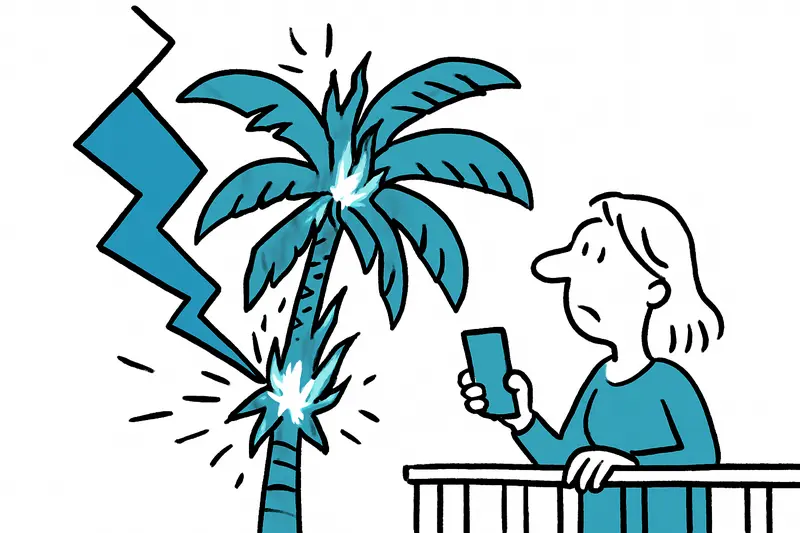
Lightning strikes palm on Ibiza: Are we really prepared for autumn storms?
Lightning strikes palm on Ibiza: Are we really prepared for autumn storms?
A lightning bolt into the crown of a palm in Port des Torrent shows how close danger and everyday life can be on the Balearic Islands. Why local preparedness often falls short and what practical measures help now.
Lightning strikes palm on Ibiza: Are we really prepared for autumn storms?
An eyewitness filmed the strike in Port des Torrent — time for a reality check
When a woman on her terrace in Port des Torrent filmed the rain rattling on the roof tiles, no one probably expected a lightning bolt to strike directly into the crown of a palm. The video documenting the moment is short, loud and clearly shows: natural forces can suddenly come very close, echoing Nighttime Lightning Flood: Why Mallorca's Night Wasn't Dark This Time.
Key question: Are our local preparedness and information services sufficient to safely handle similar situations? The answer is complex, as earlier reporting on an Orange Alert in Mallorca: Are We Really Prepared? showed.
Critical analysis: First, private terraces, promenades and small marina facilities are often not equipped with structural lightning protection systems. Palms may look robust, but a direct strike can start fires or make falling debris dangerous. Second, warning communications are issued but not always precisely targeted to small places like Port des Torrent or Cala Mesquida. Third, many boat owners and small harbors suffer during sudden swells — chains are too short, fenders are misplaced, and standardized evacuation plans for leisure boats are lacking.
What is missing in the public debate: concrete instructions for households and leisure skippers. Instead of only general weather warnings we need checklists: How do I secure my terrace and garden against thunderstorms? When should I leave a boat and where should I take it? What role do trees play on streets and in parks — should they remain or be professionally pruned? The debate often stays too abstract, a point noted in Severe weather on Mallorca: When it really becomes critical — and what's still missing.
Everyday scene from here: Early in the morning on Palma's Passeig Marítim the rain slams against the glass doors of a café, the smell of wet asphalt mixes with the aroma of coffee. A delivery van parks hastily, two elderly residents fold their umbrellas and speak quietly about yesterday's lightning on Ibiza. Such conversations show: people here want to know how to stay safe without panicking.
Concrete approaches: Municipalities should offer targeted lightning protection checks at public sites — in harbors, on promenades, at schools. Simple measures like installing grounding rods on critical parts of buildings, proper pruning of palm crowns at safe distances and clearly visible signs at small boat slips are cost-effective and effective.
Warning communication can be improved with technology: localized AEMET alerts by SMS or a push notification through municipal utility apps with concrete behavioral rules are more useful than vague weather tweets. For leisure boaters, short mandatory anchor checklists upon arrival in the harbor would be a pragmatic solution: correct lines, additional securing fenders, explicit docking bans at blue-yellow-red warning levels — lessons reinforced after events such as 10,000 Lightning Strikes over Mallorca: What the Summer Storm Reveals.
Practical neighborhood helpers: many municipalities have committed volunteers, for example in protection groups or neighborhood associations. Schools can include simple safety modules in the curriculum — how to behave during thunderstorms, what to do in case of a fire caused by a lightning strike? Such small educational offerings increase resilience at low cost.
Why this matters for Mallorca: the islands rely on openness and proximity to the sea. That proximity also means weather changes are felt faster and often more intensely. If we dismiss the spectacular images as merely curious events, we lose the chance to turn a specific incident into practical preparedness.
Conclusion: The image of a burning or shattered palm is striking, but it must not only generate clicks. We need better local warnings, simple structural protections and clear behavior recommendations for everyday situations — from the terrace to the dock. Small, concrete steps would have a big impact here.
Final thought: Thunderstorms are part of island life, and surprises too. A little more preparation, a few verified safety measures in the harbor and a handy info SMS are often enough to turn a risky moment into a safety gain.
Frequently asked questions
What’s the climate like in Mallorca and when is the best time for beach days?
What should I pack for a trip to Mallorca?
Is swimming safe on Mallorca’s beaches?
What are good non-beach things to do in Mallorca?
How does the tourist season affect crowds and prices in Mallorca?
What’s the best way to get around Mallorca?
Are there cultural tips I should know when visiting Mallorca?
Are there family-friendly beaches and activities in Mallorca?
Similar News
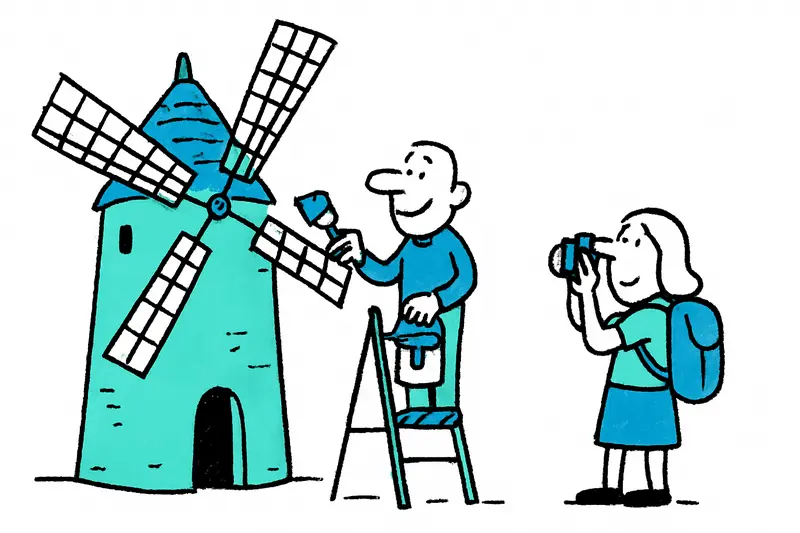
Mallorca's Mills Receive a Makeover: Millions for 35 Monuments
The island council is providing around €2.5 million so that 35 historic mills on Mallorca will be restored in a conserva...
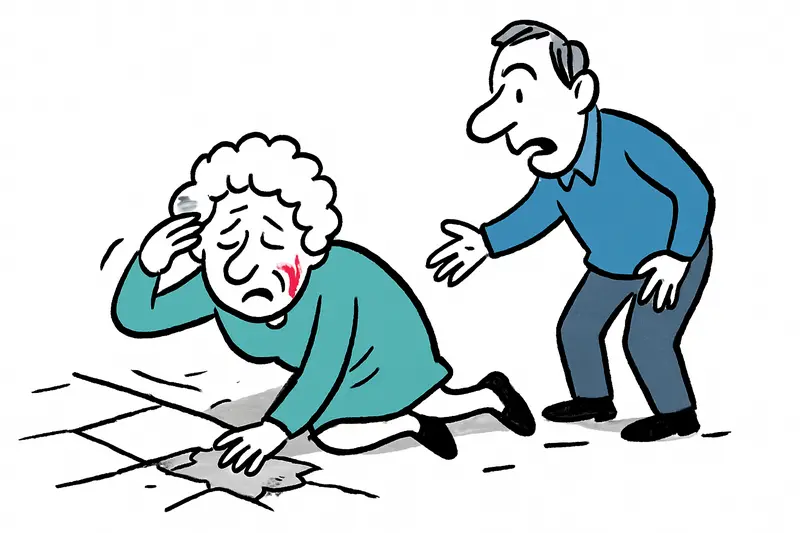
A fall in El Arenal: How safe are our sidewalks for older people?
A 72-year-old tripped over an uneven pavement on Formentera Street in El Arenal and suffered serious facial injuries. Th...
Protest camp in Palma: Why the Balearic Islands pay a real estate fund — and who pays for it
On Plaça d'Espanya activists discuss next steps while the Balearic government must recognise compensation claims by a re...
Haute Nuit in Puerto Portals: A Warm Night Between Catwalk and Sea
Yvonne Struzek and Felix Wille hosted the third "Haute Nuit" at the Lobster Club – 70 guests experienced fashion, haute ...
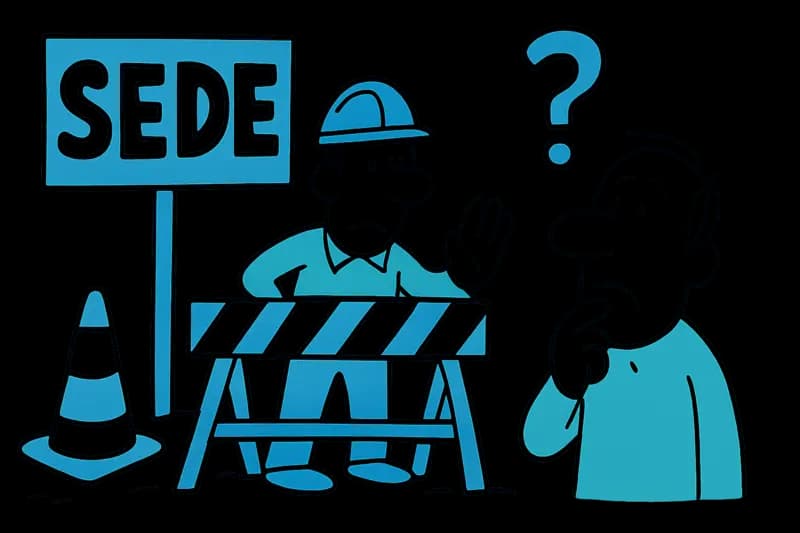
Closure of s'Albufera: Necessary construction or symptom of a bigger problem?
The s'Albufera nature park will be completely closed from October 5 to 18 for repairs to paths and observation hides. Ti...
More to explore
Discover more interesting content

Can Cap de Bou

Townhouse Lleo 72
