
Mistaken identity with fatal consequences: Brutal assault in S'Aranjassa — what's missing in the follow-up?
Mistaken identity with fatal consequences: Brutal assault in S'Aranjassa — what's missing in the follow-up?
At S'Aranjassa a visitor to a finca was tied up, beaten and thrown out of a van. Three men have been arrested, including a German. Our analysis asks: Why is the spiral of violence getting so out of control — and what needs to change locally?
Mistaken identity with fatal consequences: Brutal assault in S'Aranjassa — what's missing in the follow-up?
Key question: Why does a dispute over money escalate into such a brutal act — and what does this say about security gaps around fincas and workers in Mallorca?
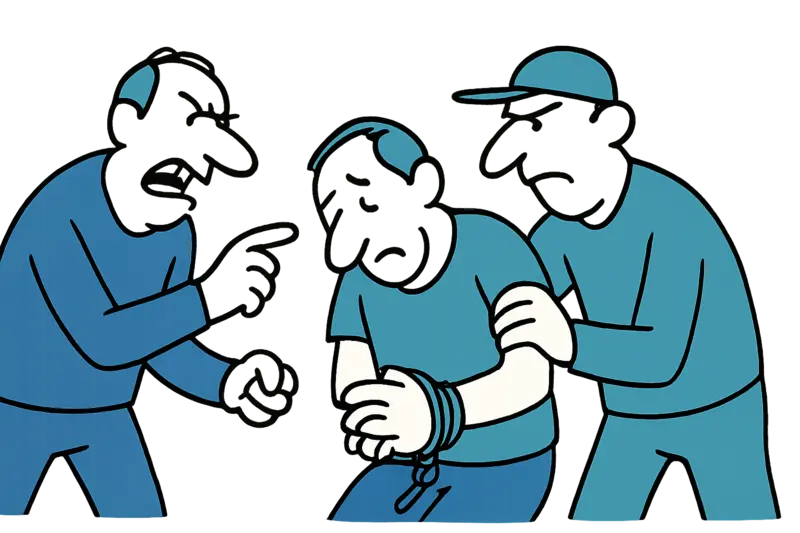
On Tuesday evening a man was found on a country road near S'Aranjassa, tied up and seriously injured, after apparently being thrown out of a moving van. According to the National Police, three suspects are now in custody, including at least one German. Investigators believe the perpetrators were actually targeting another resident of the finca and that the victim suffered as a result of a mistaken identity, which makes the violence all the more tragic.
It sounds like a bad crime novel: a quiet area, the traffic noise from the nearby airport, headlights in the dark, then several drivers stopping to render first aid and call emergency services. Scenes like this happen here despite the everyday presence of tourism; no one near Llucmajor expects an abduction in the evening or to find someone severely injured on a country road, as another report about a body found on a finca near S'Aranjassa shows.
Briefly to the facts as currently known: the injured man was a guest at the finca; the alleged target of the attack, the man who lives there, had briefly left the house. The attackers entered the house, tied up and abused the visitor, forced him into a van and after several kilometers of driving threw him out onto the road. According to investigations, the incident concerned a demand for money — the act apparently served as intimidation against the finca owner. The trail led police to an employee of the finca; his residence was searched and the officers also found the van believed to have been used. Two more arrests followed shortly after.
Critical analysis: the incident raises several questions that so far have been underdiscussed in the public debate. First: How safe are properties and their residents really when disputes escalate into violence? Fincas are often isolated, employees may have access to keys and vehicles, and controlling routines is difficult. Second: How are employment relationships, financial claims or debts regulated on the island before conflicts escalate? Third: Are there sufficient prevention and victim support services so that those affected can get help and file complaints earlier without fear of retaliation?
What is often missing in the public debate is a view of everyday life: many small businesses and rural estates employ seasonal workers or staff on temporary contracts. Names and roles are not always clearly documented, and mistrust or outstanding claims are sometimes handled informally. In a scene I often observe myself — delivery drivers on the MA-19 and workers returning to Palma in the evening — conflict management is rarely formalized. When things then explode, it affects not only two people but whole families and neighbors, and the pattern echoes incidents such as unrest after an alleged assault in Santa Ponsa.
Concrete solutions that could be learned from the incident are pragmatic and directly implementable: better registration and traceability of vehicles belonging to fincas; clear employment contracts with designated contacts; low-threshold mediation services for financial disputes; and a stronger uniformed police presence in rural areas, especially at times when fincas are more empty. Information offers for owners — for example how to secure sensitive areas, who gets which keys, and how to report suspicions — would also help, as other serious local incidents such as a knife attack in Costitx have underlined the need for better preventive measures.
At an institutional level it would be sensible for investigators and local authorities to communicate more transparently about the steps that follow such violent acts: What measures protect potential further victims? What support is provided to witnesses and relatives? And how are suspected perpetrators temporarily controlled without jeopardizing investigations? Such answers build trust in policing and remove the basis for rumors.
Another point: victim support. The injured man was apparently able to reach his daughter, who alerted the police. Such family emergency calls prevent worse outcomes, but they are not a systematic solution. A guide tailored to finca owners and tenants from the municipality, linked to a hotline for acute threats, would be a concrete and implementable step.
The arrests show that the police were able to intervene and secure evidence. But the momentum must not stop at the arrests. Prevention is needed, clear rules for employment relationships, local protection for isolated residences and a culture in which financial conflicts are not settled violently in private. Mallorca, where country houses, rentals and cleaning staff are part of everyday life, should take a leading role here.
Conclusion: The brutal attack at S'Aranjassa is less an isolated anecdote than an indication of structural dark sides — isolated locations, opaque conditions and a lack of prevention services. The guiding question remains: Do we want to wait for the next case of mistaken identity to end in tragedy, or will we ensure that work, hospitality and conflict resolution on the island are organized more safely? The police continue to investigate; society here in Mallorca should now start the discussion about practical protective measures and better support.
Frequently asked questions
How safe are rural fincas in Mallorca for guests and workers, and what protections exist?
What steps should finca owners in Mallorca take to prevent disputes from turning violent?
If you feel unsafe near a finca in Mallorca, what should you do?
What longer-term measures could Mallorca implement to reduce violent clashes around rural estates?
What’s Mallorca’s typical weather, and when is it best for outdoor activities?
What should I pack for a Mallorca trip that includes rural areas and outdoor exploration?
What family-friendly activities can Mallorca offer that are safe and low-risk near rural areas?
How does Mallorca handle rural investigations, and what support exists for victims and witnesses?
Similar News
High heel slips, car accelerates: accident on Camí de Son Hugo
A woman lost a high-heeled shoe on the forecourt of the sports facility at Camí de Son Hugo. The car accelerated, mounte...

Phone Scam: How Two Hotel Employees at Playa de Palma Lost Thousands of Euros
One morning in September, two reception employees at Playa de Palma were pressured by alleged alarm-company staff — in t...
When the Wallet Becomes a Danger: Attack in Peguera and Lessons for Mallorca
In Peguera, two women are said to have stolen the wallet from a 75-year-old German couple. When the victim intervened, t...
Plata stays Plata: Young people take over, Llonguets remain
A small bar on Carrer de l'Argenteria will continue: Tolo Serra hands the place over to young Mallorcans at the end of t...
Unnoticed in the Luggage Compartment: How a Boy Traveled More Than 100 Kilometers in a Team Bus
A minor traveled in the undercarriage of a team bus for more than 100 kilometers until his cries for help were heard. A ...
More to explore
Discover more interesting content

Can Cap de Bou

Townhouse Lleo 72
