
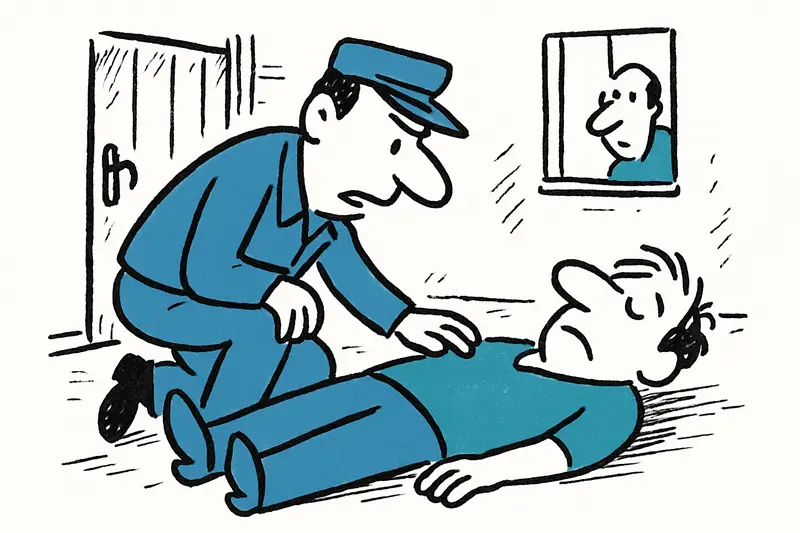
Mystery at the finca near Llucmajor: blood traces — but no clear motive
On a remote finca near Llucmajor a 57-year-old man was found dead. Blood traces, but apparently no external signs of violence — investigators are puzzled.
Mystery at the finca near Llucmajor: blood traces — but no clear motive
In the early morning, when the doves are still cooing on the roofs and the country road to Llucmajor is being cleared by tractors, the silence on a remote finca was broken. An acquaintance found the 57-year-old owner motionless in an outbuilding, as first reported in Fallecimiento misterioso en una finca cerca de Llucmajor; the Guardia Civil arrived at around 9:30 a.m., and with them the questions: What really happened here?
The scene: clues that don't fit together
Investigators found blood traces in the house and in the courtyard. At first glance a violent crime seemed possible. But the autopsy report published in the afternoon caused uncertainty: no clear indication of fatal external violence, no obvious stab or blunt-force injuries on the body's surface. A similar inconclusive finding appeared in Manacor: No murder — but many questions remain. Cash and valuables lay untouched — making robbery less likely.
This mix of visible traces and the lack of clear signs of an offense makes the case complicated. Possible scenarios range from an internal medical event with subsequent traces at the scene, to a fall with internal injuries, to a situation in which the events were later altered. Forensic medicine has announced further analyses: forensic toxicology results, detailed internal examinations and comparison with trace patterns will follow.
Incident in the previous week — and the question of silence
Neighbors report the man had been involved a few days earlier in a fight with three people, which he apparently did not report. In Llucmajor people talk quietly about it, in the bar at the plaza, between cups of espresso and the clatter of the slot machines: Why wasn't the alarm raised then? Was it fear, a sense of routine, or something people preferred to keep to themselves?
Failure to report an assault is not unique to the island — in rural areas shame, economic dependencies, neighborhood ties and language barriers often play a role. For investigators, however, this silence is a problem: without timely preservation of traces they are altered or lost. The Guardia Civil is now collecting statements from neighbors, tradespeople and friends and is evaluating phone connections, message histories and surveillance videos along the access roads; the situation echoes concerns raised after Body on a finca near S'Aranjassa: How safe is the hinterland anymore?.
What is often missing from the public debate
In such cases people quickly form a perpetrator profile in their heads. What is discussed less often is the role of loneliness on remote fincas, the fine line between self-reliance and social isolation, and how well medical and police structures in rural parts of Mallorca are prepared for emergencies. A person living withdrawn may not report violence, miss doctor appointments or have little social safety net — this can significantly hamper clarification.
Furthermore, typical forensic aspects are often underestimated: blood traces can mean many things — fresh injuries, but also the result of a fall or a medical bleed. Only a comprehensive comparison of forensic evidence, toxicology and interviews yields a reliable picture.
Concrete steps that would be important now
The investigation should not only process the obvious traces. From an investigative logic perspective, the following points would now be important: full toxicology tests, CT or autopsy with focus on internal injuries, comparison of DNA samples from the environment, routine review of video footage on access roads, mobile phone data to reconstruct the last hours and a renewed, careful dialogue with possible witnesses who initially stayed silent.
For the neighborhood this means: transparency from the authorities would help dampen rumors. Increased presence of the Guardia Civil on country roads and information on how to submit information anonymously would build trust. And: anyone who saw something should come forward — often a small tip is the missing piece of the puzzle.
The mood in Llucmajor is subdued. The olive trees at the entrance gate stand still, the road turns muddy quickly after rain, and in the bar at the plaza people speak quietly about the deceased: a withdrawn but helpful neighbor. Such everyday details are not trivial — they are part of the picture investigators must assemble.
The Guardia Civil requests information: Who has seen suspicious vehicles or persons in recent days? Every observation, however small it may seem, can help. We will continue to follow this and report as soon as investigations bring new clarity.
Frequently asked questions
What happened on the finca near Llucmajor?
Was the death near Llucmajor a murder?
Why can blood traces be found if there is no clear sign of assault?
What happens in a Guardia Civil investigation on a remote finca in Mallorca?
Why do some people not report assaults in rural Mallorca?
What forensic tests are still needed in the Llucmajor case?
What should neighbours near Llucmajor report to the police?
Is it common for finca cases in Mallorca to take time to solve?
Similar News
Holiday in Mallorca: Where you can still shop on Monday, October 12
The Spanish National Day on Monday, October 12: many shops remain closed, but some supermarket branches and outlet store...
Advertising poster relocates Palma to the mainland - what the mistake says about us
An advertising poster for flights from Andorra shows Palma on the Spanish mainland. Why such an error occurs, what is mi...
Who Protects Valldemossa's Charterhouse? A Construction Site That Leaves More Questions Than It Opens
Two new entrances in the Claustre de les Murteres have pitted the administration against the opposition. Who authorized ...
Between Runway and Keel: How Boatbuilding Lives in Son Bonet, Mallorca
In the small Son Bonet airport, craftsmen preserve the island's boatbuilding tradition: restoration work, woodworking gu...
Debris by the Pool, Fear in the Streets: What to Do About the Squatted Hotel in s'Arenal?
For weeks people have been living in a vacant hotel on Rua Girona in s'Arenal. Trash, noise and insecurity plague reside...
More to explore
Discover more interesting content

Can Cap de Bou

Townhouse Lleo 72
