
Nighttime Motorcycle Crash in Palma: Why Do Severe Accidents Happen at Signal-Controlled Intersections?
Nighttime Motorcycle Crash in Palma: Why Do Severe Accidents Happen at Signal-Controlled Intersections?
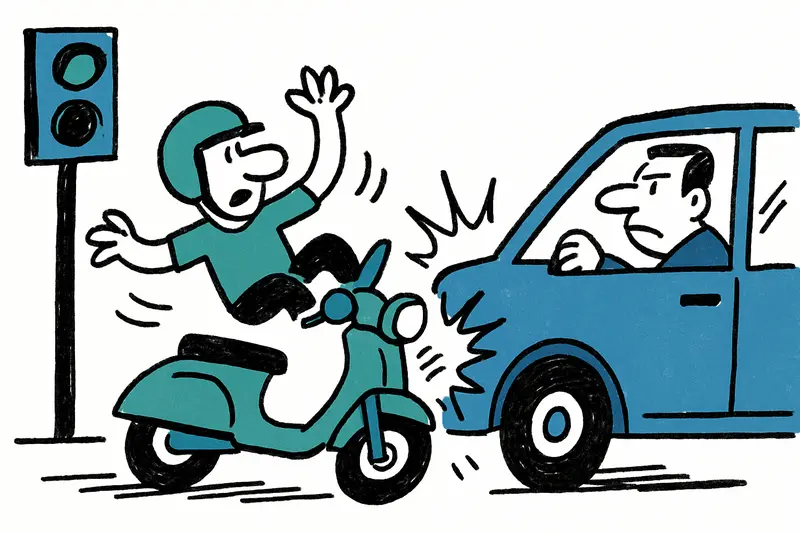
In the night leading into Wednesday a 39-year-old scooter rider was seriously injured at the Poeta Guillem Colom/Alfons el Magnànim traffic-light intersection. The accident raises questions about road safety, signal timing and nighttime risks.
Nighttime Motorcycle Crash in Palma: Why Do Severe Accidents Happen at Signal-Controlled Intersections?
In the night leading into Wednesday a 39-year-old scooter rider was seriously injured at the intersection of Poeta Guillem Colom and Alfons el Magnànim in Palma. Around 1 a.m. his two-wheeler collided with the left side of a car that was heading toward Sóller. The motorcyclist was thrown by the impact, lay unconscious on the roadway and was taken by a SAMU 061 ambulance to Son Espases University Hospital; he is in a serious condition. The car driver was uninjured. The intersection is controlled by traffic lights, similar to other incidents such as Seriously injured on Palma's Paseo Marítimo: An accident, many questions.
Key question
Why do such severe accidents still occur at clearly signal-controlled intersections in the middle of Palma — and what is missing from the public debate?
Critical analysis
A traffic light alone is not a shield. Often several factors combine: visibility is reduced at night, drivers' concentration is lower and expectations about signals change. Conflicts arise especially during left-turns or through movements between cars and narrow, faster-accelerating scooters. An impact on the left side of the motorcycle points to a side collision — a scenario in which the rider has little time to seek protection. Added to this are differences in physical robustness: a car absorbs impact forces differently than a scooter.
What is missing from the public debate
The debate lacks concrete details: data-driven analyses of whether certain intersections show clusters of accidents, as in Third traffic death in a few days: Do Palma's night streets need to be safer?, how signal phases are timed and whether nighttime signal modes are adapted. The needs of two-wheeler riders themselves also receive little attention — which visibility aids do they use, such as those recommended in DGT motorcycle safety guidance? What is the condition of the road surface at critical points? And: who collects the data to justify targeted measures? This question was also raised in Nighttime Accident in Son Oliva: More Than Just a Drunk Driver. Without these basics, measures are often sporadic and inefficient.
A typical scene from Palma
It's shortly after one, the Christmas lights along the Passeig areas still glow, a city bus rolls by quietly, and a few taxis stop at the stand. On such nights you meet young people on scooters, as noted in Serious E-Scooter Accident in Palma: More Than Just an Accident?, night-shift workers and hurried taxi drivers — a mix that quickly leads to misunderstandings at intersections. A light change, a short glance at a phone, or a misjudged distance: often that's all it takes.
Concrete solutions
- Systematic accident data analysis: The city should consolidate accident clusters, times and types of accidents and make them publicly accessible. Only then can priorities be set.
- Review traffic-light technology: Adjusted phases for separate turning movements, extended green times for crossing two-wheelers or dedicated scooter staging areas can reduce conflicts.
- Increase visibility: Promote retroreflective clothing, mandatory reflectors on scooters and improved street lighting at critical intersections.
- Structural safety measures: Traffic-calming islands, non-slip asphalt surfaces and clearer markings reduce the risk in side-impact collisions.
- Enforcement and education: Targeted nighttime speed controls, and information campaigns on social media and through scooter rental companies about correct riding positions at intersections.
- Optimize the emergency chain: Faster detection and communication channels between the accident site, SAMU and the hospital, supported by first-responder training in the city area.
Concise conclusion
A traffic light at an intersection is only as effective as the system around it. Anyone driving through Palma at night feels the mix of haste and routine — enough for a small inattention to turn into a severe accident. Instead of isolated measures we need data-driven priorities, better visibility for two-wheelers and pragmatic structural adjustments at critical spots. If the city takes this seriously, similar nights could end with sirens far less often.
Frequently asked questions
Why do motorcycle accidents still happen at traffic-light intersections in Palma?
Are scooter crashes in Palma more common at night?
What should I wear if I ride a scooter in Palma at night?
What makes left turns so risky for scooters at Palma intersections?
Is the intersection of Poeta Guillem Colom and Alfons el Magnànim in Palma dangerous?
What safety changes could reduce serious scooter crashes in Palma?
Why is accident data important for road safety in Palma?
What should I do after a serious motorcycle accident in Palma?
Similar News
The Painter Who Invented Himself: How a Young Viennese Drew Mallorca
A hundred years ago a 19-year-old draftsman arrived in El Terreno. His diary and sheets, long known under the pseudonym ...
Released with Conditions: The Plus Ultra Suspicion and a Mallorcan Finca as Residence
A Dutch entrepreneur, sought in connection with the Plus Ultra case, was extradited to Spain after his arrest in Germany...
Haute Nuit in Puerto Portals: Fashion, Art and Indulgence by the Water
On October 2 the Lobster Club in Puerto Portals will be transformed into a stage for curated fashion, art and culinary e...
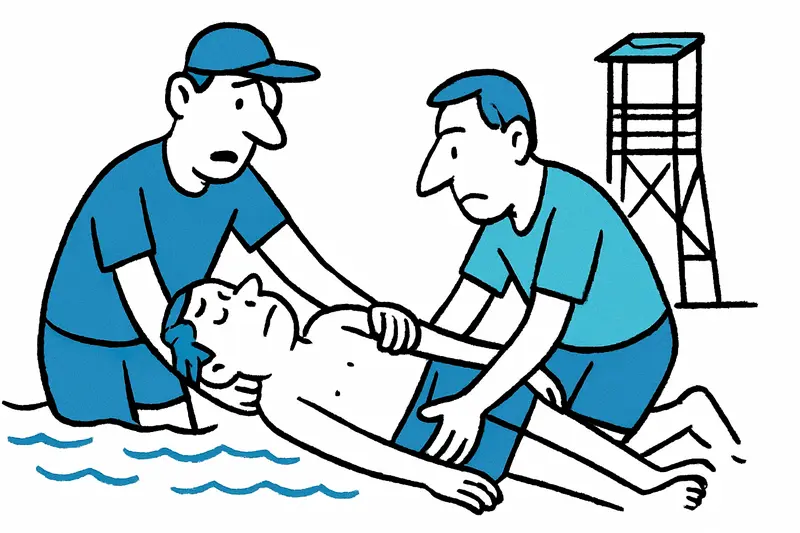
Magaluf: Watchtower Alarm – Lifeguards Pull Unconscious Beachgoer from the Water
After a drama in the late afternoon, two lifeguards at Magaluf beach rescued an unconscious 44-year-old man. He was stab...
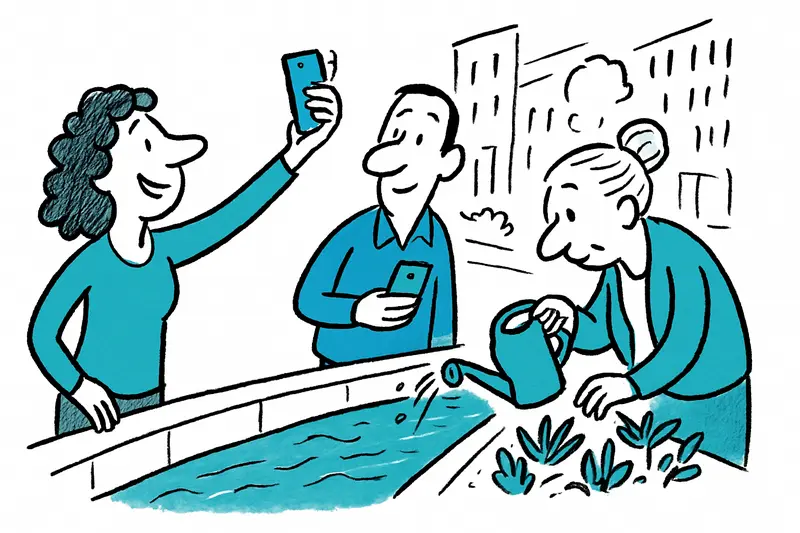
Turquoise in the City: How dangerous is the color play of the Sa Riera?
The Sa Riera in Palma suddenly turned turquoise — a pretty motif, but behind the effect lies a discharge of saline waste...
More to explore
Discover more interesting content

Can Cap de Bou

Townhouse Lleo 72
