
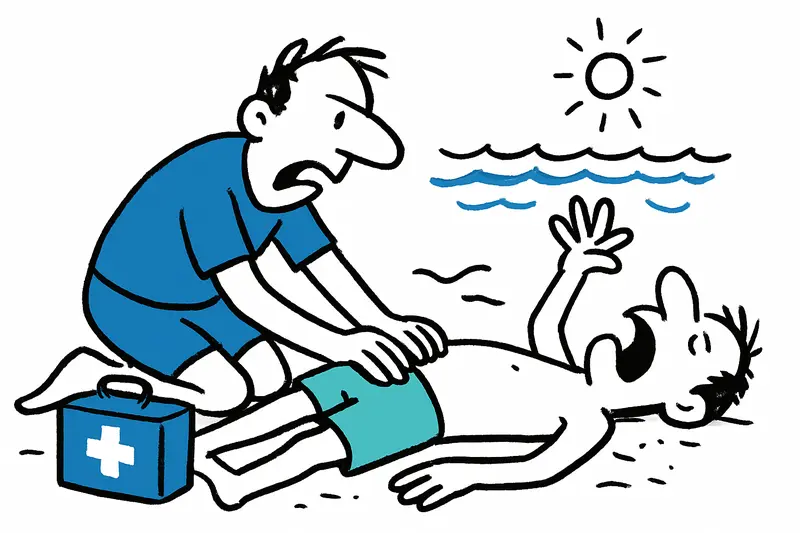
Near-drowning off Formentera: 64-year-old in critical condition – Could he have been saved?
Near-drowning off Formentera: 64-year-old in critical condition – Could he have been saved?
A 64-year-old tourist was pulled from the water off Formentera and treated in intensive care. A reality check on causes, gaps and concrete measures.
Near-drowning off Formentera: 64-year-old in critical condition – Could he have been saved?
Key question: What is missing in our island practice so that such emergencies become less frequent?
On Sunday afternoon a 64-year-old German holidaymaker was pulled from the water off the coast of Formentera. SAMU 061 rescuers began cardiopulmonary resuscitation (CPR) right on the beach; later a pulse could be detected again. The patient was airlifted to Ibiza and is now in a very critical condition in the intensive care unit. Those are the confirmed facts – and they are enough to raise a broader issue: How safe are our beaches really when a situation escalates?
The details of the accident – for example whether a medical emergency, exhaustion or a current was the trigger – have not been published. It is important to emphasize that: speculation helps no one. At the same time we must not pretend that such incidents are isolated. In recent months there have been several fatal bathing accidents in the region; examples include Dead Tourist at Playa de Palma: An Accident Raises Many Questions and Death in Colònia de Sant Jordi: Could better precautions have made a difference?, so the islands therefore face the task of questioning prevention and rescue practices.
Critical analysis: Authorities and providers rely on routine, but routine can be deceptive. In high summer the presence of lifeguards on the main beaches is largely established; this was illustrated by Near-drowning in Cala Vinyes: Rescue raises questions about beach safety. Outside peak times, at smaller coves or during sudden changes in weather, there is often a lack of quick visibility and intervention. Ferries between Ibiza and Formentera run at short intervals (about 30 minutes travel time); that quickly brings many people to beaches like Playa de Illetes – but does not automatically mean more safety on site.
What is missing in the public discourse: concrete figures on the availability of rescue personnel throughout the year, transparent information on response times to emergency calls on the smaller islands and an honest assessment of equipment (defibrillators, rescue buoys, radio networking). Also little discussed is the target group: older holidaymakers are at increased risk for several reasons – pre-existing conditions, reduced swimming ability, misjudging their own strength in the sea. Added to that is the language barrier; warning signs exist, but are often only in one or two languages. Recent episodes such as Critical Bathing Incident at Arenal: Call for Better Protective Measures and Can Picafort: Death on the Beach – Was There Enough Protection Against Water Hazards? underscore these vulnerabilities.
An everyday scene that belongs here: on a sunny morning in the port of La Savina you see ferries docking, tour groups, backpacks with rolled-up beach mats. On Illetes families lie on the sand, pensioners read newspapers, teenagers swim out to the sandbank. Suddenly the thumping of a helicopter, sirens from rescue vehicles heading to Ibiza, nervous glances along the coast. Such images leave an impression – they remind us that a day at the beach can become life-threatening in minutes.
Concrete solutions, without grand concepts: First, more and clearer information before arrival. Providers and ports should point out current notices about sea conditions and link to AEMET warnings for sea state when tickets are sold. Second, better signage in multiple languages – not just “No swimming”, but short notes about currents, deeper areas and what to do in case of cramps or exhaustion. Third, widely accessible lifesaver stations: public defibrillators on main beaches and at central points in La Savina and Es Pujols, combined with clear instructions such as “AED instructions inside the cabinet”. Fourth, training for staff in hotels, beach bars and ferry companies: short first-aid courses, how to act when cardiac arrest is suspected and how to place an emergency call precisely. Fifth, seasonal adjustment of rescue services: when traffic is heavy, additional lifeguards and water patrols should be deployed at short notice.
Technical aids are also feasible: quick QR codes on beaches linking to a short information sheet in German, English, Spanish and Catalan; free rescue buoys at exposed spots; quieter drone patrols that can overfly larger bays and report signs of life. All of this can be implemented step by step and does not necessarily cost millions – smart priorities and coordinated responsibilities often help.
Another point: communication after an incident. The public and relatives need clear, verified information. Half-truths or rumors harm trust in rescue services. Authorities should therefore use standardized channels of information, without pre-empting details that have not been confirmed.
Pithy conclusion: The case off Formentera is a warning sign, not an isolated incident. Anyone visiting an island chain like the Balearics today must reckon with nature – and administrations must do more to ensure that lives are not lost due to gaps in information and organization. In the short term, more languages on signs, AED locations, staff training and clear notices from ferry lines help. In the long term a shared prioritization is needed: safety must not be a seasonal extra, it must become everyday practice.
For anyone heading to the coast soon: check local information before you jump into the water, don’t swim alone, note the local emergency number and, if possible, keep away from open sea areas you don’t know. Small measures can make a big difference.
Frequently asked questions
What is Mallorca's weather like throughout the year?
When is the best time to swim in Mallorca?
What should I pack for a Mallorca trip?
Is Mallorca family-friendly?
What are the top natural and cultural highlights on the island?
Is it easy to get around Mallorca by car?
When is the travel season in Mallorca and what to expect?
What are good day trips from Palma?
Similar News
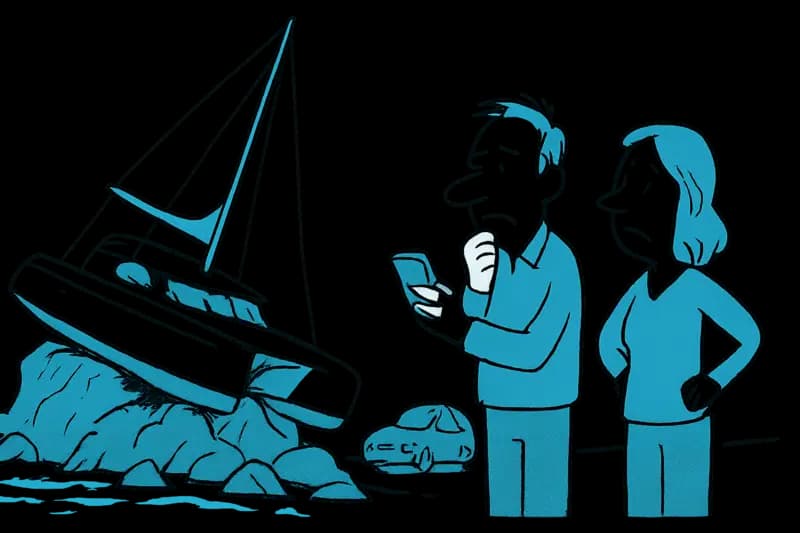
Catamaran on the Rocks: Who Pays for the Damage — and Who Protects the Sea?
A sailing catamaran has been lying on the cliffs near Ibiza since the last storms. The images show more than a stranded ...
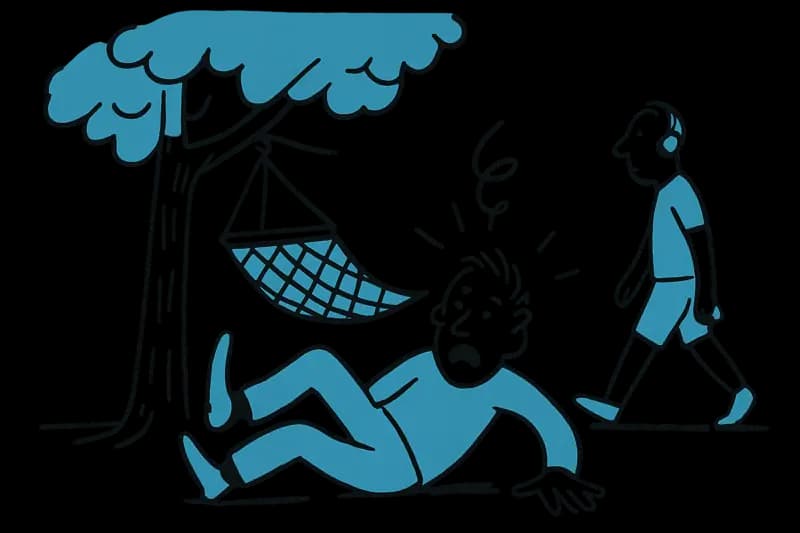
Hammock in Sa Feixina: Fall exposes shortcomings in public space
A man fell from a hammock secured high in the Sa Feixina park and suffered serious injuries. The incident raises questio...
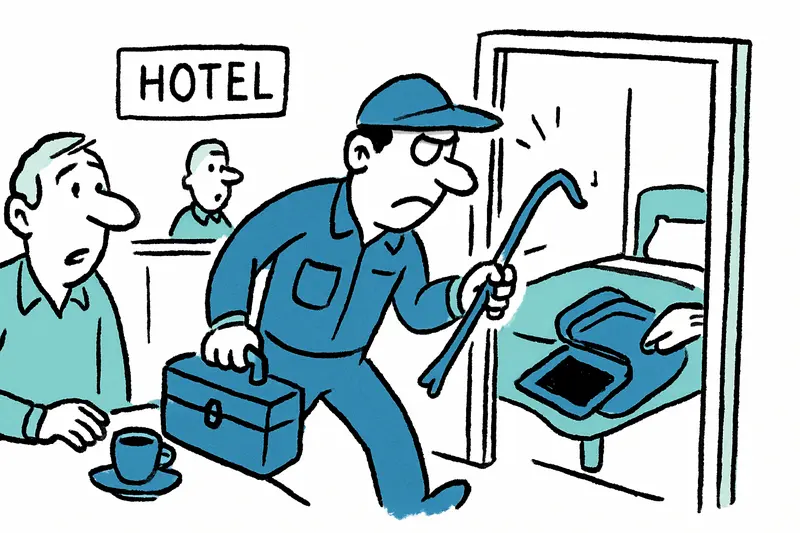
Disguised as a Handyman: How a Thief Robbed Hotel Guests in Manacor — and What It Says About Our Security
A man posed as an electrician in Manacor, broke windows and doors and stole from hotel rooms. Time for a reality check: ...
Legat furious: Germania feels robbed of victory in derby against Marratxí
After a heated local clash in Marratxí, coach Thorsten Legat accuses the officials of manipulation and numerous wrong de...
Why Sánchez Is Calling Elections Now: A Reality Check from Mallorca
Retreating into an election year is the response to social unrest and political deadlock. A look at the gap between prot...
More to explore
Discover more interesting content

Can Cap de Bou

Townhouse Lleo 72
