
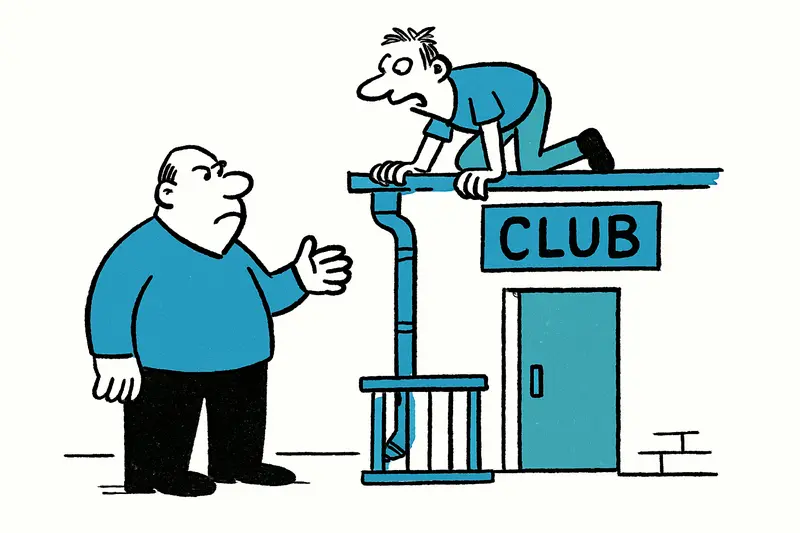
Palma: Club roof climbing stunt exposes safety gaps
A man climbed onto the roof of a nightclub in Palma's old town, caused damage and was later arrested. The incident revealed problems with temporary structures and oversight.
Short night, big question mark over the old town
In a narrow alley near Palma's old town, early in the morning, a scene unfolded that, after a brief pause on the dance floor, looked like a bad movie idea: a young man climbed onto the roof of a nightclub after being ejected from the venue. Amid the hum of air conditioners and the flicker of spotlights, the moment was not only bizarre but ultimately left property damage, a police report and a debate about the stability of "quickly built" nightlife structures. Similar incidents have been covered before, for example Palma: Roof acrobat faces charges — How can we prevent such nighttime escalations?.
How the stunt played out
Witnesses reported gripping railings, slippery gutters and a dull sound when coverings shifted. Surveillance footage shows some parts of the structure wobbling. Operators speak of damage in the low four-figure range – not a business-ending loss for an established club, but enough to raise alarms. Security personnel on site described the action as aimless yet risky: danger to the climber and potential risk to passersby in the narrow street.
Return visit and arrest
The incident took another turn when the same man returned to the club a few days later. Bouncers recognized him, informed the operators and the police were called. According to those involved, the arrest went calmly; a complaint for property damage was filed. For operators and guests the mood afterwards was more of relief than triumph – above all, no copycats.
Residents between anger and concern
For local residents the night was far from romantic: spotlight glare, camera mechanisms and the distant wail of a siren disturbed the peace of the narrow streets. Many reported an uneasy feeling – not just because of the climber but because the incident exposed how thin the line is between boisterous nightlife and real dangers. The demand is simple: clubs must take responsibility for outdoor areas too, not just for the ground-floor bar.
The crucial question: who is liable?
The legal situation is rarely as simple as "the backpack man pays." Operators point out that while insurance exists, it does not cover every improvised solution. If a temporary cover gives way and people are injured, conflicting interests collide: operators, insurers, victims – and the question whether a provisional structure met legal requirements at all. This problem becomes acute in the old town, where many venues run seasonal terraces, light canopies or temporary huts. A comparable case is documented in Playa de Palma Trial: Who Bears Responsibility After the Rooftop Terrace Collapse?.
What is often missing in the public debate
Reports often immediately focus on the people involved: the climbing guest, security staff, the police. One aspect often remains invisible: the burden of construction responsibility and the role of municipal controls. Are temporary structures regularly permitted, thoroughly inspected or merely "tolerated"? How transparent are agreements between operators and authorities? Night-time economy creates jobs and atmosphere, but it needs clear rules – and enforcement. Other episodes, such as Ceiling Collapse at Plaza de l'Olivar: Questions About Safety and Responsibility, highlight the consequences of weak oversight.
Concrete measures instead of lip service
Practical steps can be derived from the incident: operators should have their roofs and outdoor areas technically inspected, secure hazard spots immediately and fix simple defects promptly. Bouncers need standardized protocols: identify, document, inform police rather than risky confrontation. At the municipal level, targeted spot checks during the season, binding minimum standards for temporary structures and information offerings for operators would make sense.
A network of residents, operators and police
Better communication between residents, club operators and the police can achieve a lot. A local information network that shares details about operations, planned events and safety measures reduces fears and enables early detection of risks. Such networks already exist in parts of the island – they could be expanded and institutionalized.
Why skimping is not the solution
The truth is uncomfortable: solid constructions cost money. At a time when outdoor areas are often used only seasonally, material and structural savings are common. But that is where the risk grows. Authorities have previously closed venues after detecting structural risks, as in Risk of Collapse in Cala Major: Six Venues Temporarily Closed — What Needs to Happen Now. A backdrop for warm summer nights must not be a substitute for a permanent, safe construction. Otherwise, the result is an unpleasant cleanup after an incident nobody wanted.
The central guiding question
Do we continue to tolerate short-term, improvised solutions – or do we secure nightlife sustainably before a serious accident happens? That is the question hanging over Palma after this night. It is not just about a crazy climbing scene but about the safety of people celebrating and the quality of life for those who live here.
A pragmatic conclusion
The image of a man on a wobbly club roof remains a quirky memory. But it should lead not only to conversation but to consequences: technical inspections, clear instructions for security staff, regular municipal checks and better communication with residents. For night owls a simple piece of advice remains: if you are thrown out, go home. A cool head protects more than a risky comeback.
Frequently asked questions
What should nightlife visitors in Palma do if they are removed from a club?
Are temporary club roofs and outdoor structures in Mallorca safe?
Who is responsible if a nightclub structure is damaged in Palma?
How much damage can a nightclub roof incident cause in Palma?
Why are residents in Palma's old town worried about nightlife safety?
How can Mallorca clubs improve safety around roofs and outdoor areas?
What happens when police are called to a club incident in Palma?
Do clubs in Mallorca need regular checks for temporary structures?
Similar News
When the Floodgates Open Again: Why Palma's Floods Aren't a Coincidence
A sudden heavy downpour around 5 p.m. brought Palma to a standstill: flooded streets, full basements, panicked commuters...
Playa de Palma: Life-saving at Balneario 11 – Lifeguards Act Quickly
A German holidaymaker suffered cardiac arrest at Playa de Palma. Lifeguards resuscitated her on the beach; emergency ser...
Dizziness at the Wheel: When the Access Road to Sa Calobra Becomes a Nightmare
A trip to the gorge of Sa Calobra ended in panic for a holidaymaker: not the sea, but the hairpin roads of the Tramuntan...
Four Years for the Hammer Blow in Sa Pobla: Is the Sentence Enough?
A dispute over €50 ends fatally: How could it come to this, and does the sentence answer the questions behind the act? A...
Cala Bona: New residents' parking — who really benefits?
The municipality of Son Servera has completed a parking lot with 50 spaces (plus two disabled spaces) behind the Hotel C...
More to explore
Discover more interesting content

Can Cap de Bou

Townhouse Lleo 72
