
A Tent in Central Palma — A Loud Signal of a Quiet Crisis
A Tent in Central Palma — A Loud Signal of a Quiet Crisis
A small tent on the Plaça den Coll attracted attention. Why one single tent is more than a scene — and what questions it raises for the city and society.
A Tent in Central Palma — A Loud Signal of a Quiet Crisis
A single tent, much trouble, even more questions
Key question: What does this tent on the Plaça den Coll say about Palma — and which bothers people more: the streetscape or the situation that led to it?
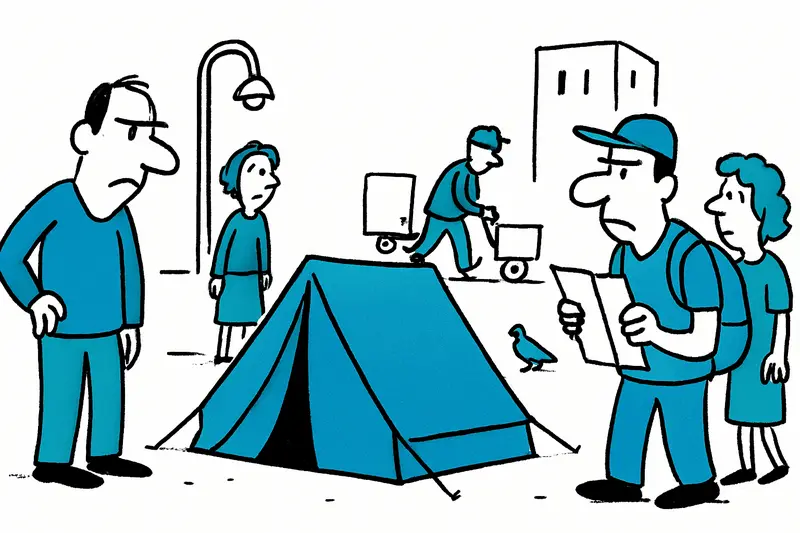
Early on Friday morning, as bakeries were placing their first croissants on display and the bells of the neighboring parish quietly struck the hour, residents and tourists noticed a small grey tent just a few steps from the Plaça Major. The sun was already fairly high; the morning was warm, the sky clear — late summer in Palma. Passersby stopped, took photos, some shook their heads. A street sweeper pushed his cart by, two tourists looked for a sight on their map. For the person sleeping in the tent it may have been a pragmatic solution. For many observers it was a statement: visible, not hidden, right in the middle of everyday life.
Critical analysis: A tent in this spot is not an abstract symbol but a magnifying glass. It shows how Mallorca's housing crisis — sky-high prices and shortages, precarious jobs and tense rental conditions push people to the margins. Normally some homeless people sleep in corners, on park benches or under blankets — invisible, rarely discussed. A tent in the city center, however, provokes. It raises questions about structures: Are there enough low-threshold daytime services? Are the street outreach teams sufficient? How do the city, the island administration and social providers coordinate help for people who cannot find affordable housing?
What is missing in the public discourse: We talk a lot about numbers — visitor figures, rent price indexes, construction projects. Too rarely do we hear personal stories, as reported in reports on Palma's growing number of homeless people, and about the organizational gap between emergency aid and permanent accommodation. There is a lack of debate about what role vacant commercial spaces, temporary uses or municipal purchase programs could really play. And there is a missing honest discussion about how short-term rentals, seasonal work and local wages interact and push people into precarious situations.
An everyday scene from Palma: Imagine the Plaça den Coll: market vendors set up their stalls, snippets of conversation in several languages hang in the air, a delivery scooter turns the corner, an elderly woman feeds the pigeons. Between all that stands a small, folded home of polyester. The scene is unsettling because it brings two worlds together — the touristic and the existential. The speakers of a café play softly while someone next to the tent fills their water bottle. Normality and need are that close.
Concrete solutions: 1) Mobile social teams must provide rapid first aid — calm conversation offers, basic medical care, concrete referral paths to day centers. 2) Temporary interim uses of vacant shop spaces could function as supervised sleeping places at night until permanent housing is found. 3) The city could test low-threshold voucher systems for private landlords, combined with mandatory minimum standards so transitional solutions do not turn into exploitation. 4) More transparency about available social housing and an active waiting list for those in urgent need would help with faster placement. 5) In the long term: complementary measures to limit vacancy and to promote affordable rental units — municipal strategies instead of isolated actions.
All these proposals require courage and money, but above all: coordination. NGOs, social services, the city council and the neighborhood must pull together. Otherwise the response to visible need will remain reactive rather than preventive.
Pointed conclusion: The tent on the Plaça den Coll is not an isolated incident but an audible wake-up call in a city that produces both loud and quiet tones. Anyone who is outraged by the tent while not addressing its causes is treating only the symptoms. Anyone who looks closely hears questions: How do we want to live together in Palma? And who will take responsibility so that people no longer have to seek shelter in the middle of the pavement?
Frequently asked questions
What does a tent on Palma's Plaça den Coll say about housing in Mallorca?
What practical steps could address homelessness in Palma’s city center?
How does the tent near Plaça Major reflect everyday life in Palma between tourism and need?
What tensions exist in Palma when a tent appears in the city center?
What should visitors or residents consider if they see someone in need in Palma?
How might seasonal work and local wages influence housing challenges in Mallorca?
Why is transparency about social housing and waiting lists important in Palma?
What kinds of temporary measures could Palma test to address homelessness without compromising safety?
Similar News
Palma's New Indoor Pool: Sea View, Sunbeds and Space for Everyone
At Aigua Dolça, near the Paseo Marítimo, Palma has a new municipal indoor pool. For a small fee people can now train, re...
How Four Burglars Emptied Ten Houses with a Simple Trick — and What It Means for Mallorca
Four men used the impressioning technique, posed as delivery workers and accepted two years in prison. A reality check f...
Bundles of Drugs, Containers and Open Questions: A Reality Check for Mallorca
3.3 tonnes of marijuana, 80 kilos hidden in golf-ball vending machines and a 44-year-old German released on conditions i...
Rats in Llucmajor: Who clears the streets, who stops the infestation?
In Llucmajor rat sightings and uncollected waste have increased after rain. A local check reveals gaps in cleaning, sewe...
Who will clean up? Illegal rubbish heaps on the highway near Son Gual drive residents onto the streets
For months, construction debris and household waste have piled up along the highway between Palma and Manacor near Son G...
More to explore
Discover more interesting content

Can Cap de Bou

Townhouse Lleo 72
