
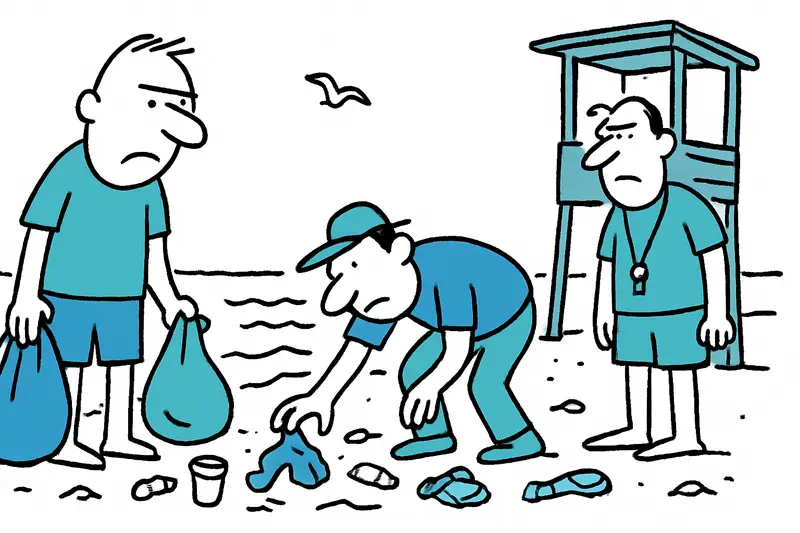
Playa de Palma littered: Who cleans up — and how do we stop the problem?
Playa de Palma littered: Who cleans up — and how do we stop the problem?
A lot of rubbish is currently floating in the water between Balneario 9 and 10. Time for a reality check: How does the litter get into the sea, who must act, and what can we do on site immediately?
Playa de Palma littered: Who cleans up — and how do we stop the problem?
Key question: Why does so much debris end up in the sea in front of Can Pastilla, and who bears responsibility — the holidaymakers, the local authorities or all of us?
Early on Sunday mornings, when the first delivery vans load the cafés along the promenade and seagulls still circle over the waves, the truth often lies on the water: plastic bags, disposable cups, cigarette butts, diapers, sanitary pads and sometimes even a lost sneaker drift along the shore. Such observations are currently increasing in the area between Balnearios 9 and 10 at Playa de Palma. The wind has roughened the water surface, currents wash stranded seagrass and rubbish alike onto the beach — and bathers stand stunned at the edge. (diver footage of plastic pulled from the coast)
The scene is not an isolated incident but part of a recurring pattern: after windy days, trash accumulates in shallow bays, at beach access points and in harbor basins. Complaints come not only from visitors; residents, regulars and hotel staff report a distressing mix of natural material and human waste. (36-point plan for Playa de Palma) For parents who want to let their children into the water, this is not an aesthetic issue but a matter of hygiene and well-being.
Critical analysis: many discussions remain superficial. It is convenient to blame tourists alone: “People are just pigs,” said an angry bather. While this applies to inconsiderate behaviour, it does not explain why so much waste finds its way from the roadside into the sea in the first place. Are there too few bins along the promenade? Are early-morning cleaning routines ineffective? Does waste collection work reliably outside peak hours? Answers to such practical questions are often missing from public debate.
What is missing in the discourse: first, a sober look at logistics. Garbage bags that are not collected in time, wind tunnels between blocks of buildings, poorly secured construction-site containers and overflowing beach receptacles can all contribute to waste entering the drainage system or ending up on the sand. Second, attention to duty-of-care rules for businesses — small kiosks, beach vendors and construction workers are part of the daily waste stream. Third, the question of short-term response plans: who is responsible at five in the morning when the season is still on but public services are scheduled differently?
Everyday scene on the promenade: I often walk along the Passeig Marítim when the road is still cool and the smell of croissants drifts from a café kitchen. Then I see holidaymakers standing at the railing, towels over their arms, and lifeguards arranging equipment in front of their huts. On the shore, scattered pieces of plastic cling among the tufts of seaweed; children point with wet fingers at brightly colored wrappers and ask their parents if it is "dirty toys." The sounds — the clack of heels, the calls of vendors, the faint toot of a boat motor — make the scene as familiar as it is unsettling.
Concrete solutions that can be implemented immediately:
1. Early-morning beach patrols and boat collection teams: Cleaning crews should be dispatched as a priority after stormy nights. A small boat with a net can work in areas where the shore is difficult to access. (cleanup fleet report on nearly 37 tons recovered)
2. More and better waste bins along the Passeig: Covered containers with separate compartments prevent wind from blowing contents away. Regular emptying in the early morning hours is important.
3. Commercial responsibility: Hotels, beach bars and delivery services need mandatory standards for securing packaging and garbage bags. Controlled collection times prevent overfilling.
4. Reporting system for beachgoers: QR codes at the balnearios or a local WhatsApp number through which walkers can report polluted sections with photos — allowing for quick response.
5. Prevention through education: Short, visible notices on the beach (clear, not moralizing) and information leaflets in hotels can explain expected behaviour and penalties.
6. Volunteer actions with incentives: Weekend clean-ups with local eateries offering volunteers discounts or drink vouchers combine community and practice. (report on volunteers and authorities removing almost eight tons of waste)
In the long term, answers include improved infrastructure, clear responsibilities between the Ajuntament and municipal services, and sanctions for serious violations. It is not just about penalties but about closing logistical gaps: clean road edges, securely closed waste containers, timely emptying and targeted cleaning after windy events.
Conclusion: the image of rubbish between Balneario 9 and 10 is a wake-up call. Blame-shifting changes little; what is needed is a pragmatic mix of immediately deployable measures and long-term planning. When the Passeig once again fills with the smell of fresh bread and children play carefree at the water, then something will have changed — because people, businesses and authorities acted together. Until then the question remains open: do we only want to talk — or start to act?
Frequently asked questions
What is the best time of year to visit Mallorca for warm weather without crowds?
What should I pack for a trip to Mallorca?
What outdoor activities are popular in Mallorca?
What are the best ways to get around Mallorca?
How should I stay safe when swimming or sunbathing in Mallorca?
Does Mallorca have warm winters or is it mainly sunny summers?
Should I bring towels or can I rent beach gear in Mallorca?
What cultural or historic sites are worth seeing in Mallorca?
Similar News
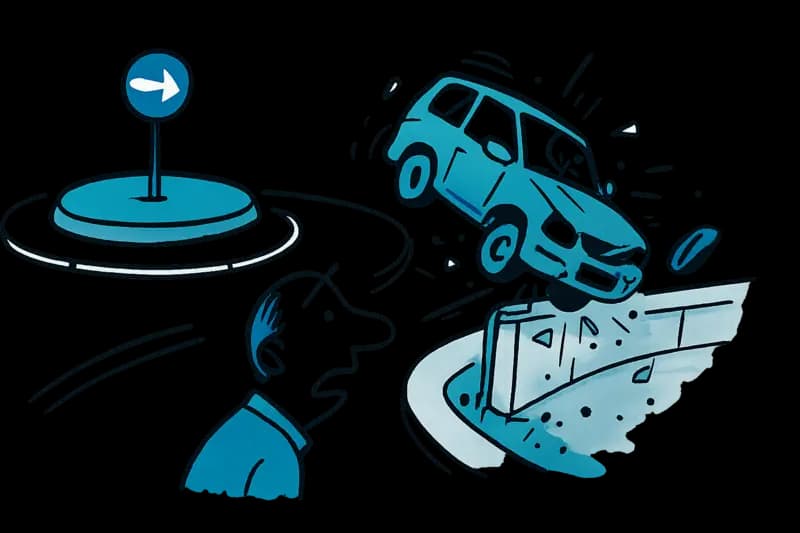
Serious Accident in Son Ferriol: A Car Falls from the Roundabout — What's Wrong with This Spot?
A 77-year-old driver fell on Saturday morning with his car from the upper part of a roundabout in Son Ferriol down to th...

When a Taxi Fare Dispute Turns Violent: What the Magaluf Case Reveals About Safety and Prevention
In Magaluf a 2023 dispute over a taxi fare escalated: an 18‑year‑old British man is accused of seriously injuring a taxi...
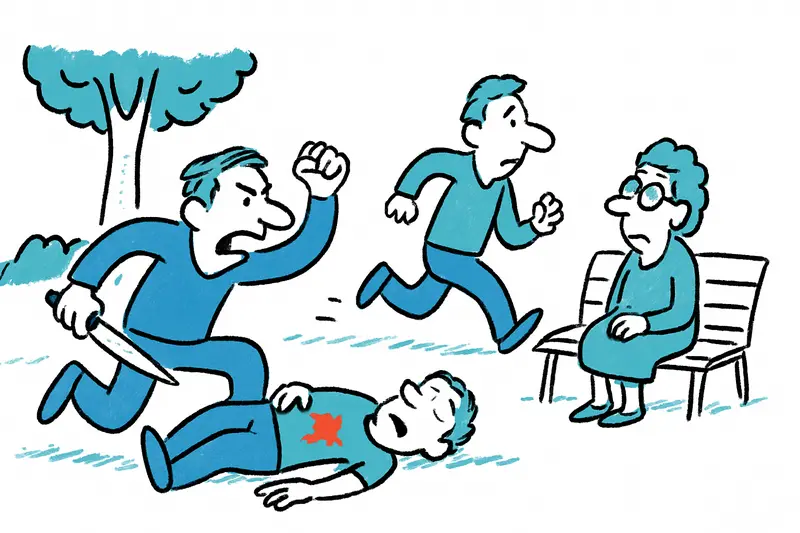
Bloody clash in Canòdrom Park: What is missing in addressing violence on Mallorca's streets?
At midday on October 23, an 18-year-old man was critically injured in Canòdrom Park in Palma. The attack raises question...

Palma raises bus fares: Who pays the bill for public transport?
Single tickets rise from €2 to €3, airport trips have a reference price of €4.50. It remains unclear whether residents w...

Palma's New Indoor Pool: Sea View, Sunbeds and Space for Everyone
At Aigua Dolça, near the Paseo Marítimo, Palma has a new municipal indoor pool. For a small fee people can now train, re...
More to explore
Discover more interesting content

Can Cap de Bou

Townhouse Lleo 72
