
Premium Sunbeds in Cala Major: Who Pays for the Beach?
Expensive VIP sunbeds at Cala Major are causing controversy: the environmental group GOB demands access to tender documents. A look at contracts, transparency and the everyday reality of beach users.
Premium Sunbeds in Cala Major: Who Pays for the Beach?
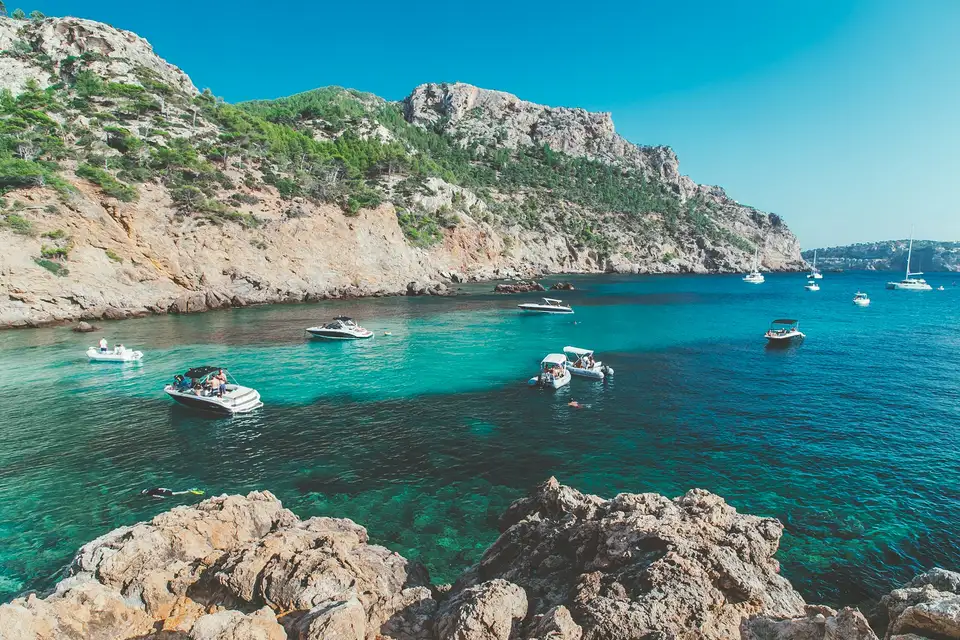
In the early morning, when the first joggers run along the promenade of Cala Major, the sunbeds are still empty and the seagulls argue over scraps from the night before. In a few hours the narrow beach fills up: families with parasols, retirees with book bags, parents watching their children in the shallow water. Since this summer, new, conspicuous sets have appeared in the middle of this scene — thickly padded beds, a safe next to the lounger and a sign stating the price: €125 per day.
Key question
Is it lawful that parts of a public beach effectively become luxury zones — and who controls this?
Critical analysis
The environmental organisation GOB has involved the Direcció General de Costes i Litoral (General Directorate of Coasts and Shoreline) and demands access to the tender documents for the management of Palma's beaches, as discussed in Cala Major: Between Premium Sunbeds and Regulatory Chaos – Who Owns the Beach?. The figures being discussed are striking: regular sunbeds are offered at €25 for two, parasols at €15, combo offers at €35 — alongside the premium package for €125 including a safe; further detail is available in Expensive 'Premium' sunbeds in Cala Major: Who decides what a beach visit is worth?. This discrepancy leaves two questions open: were the concessions awarded with clear specifications — and if so, are those specifications being respected?
It's not just about price differences. Contract clauses that regulate services and permitted extras are decisive. Are premium offers such as safes, special placement areas or exclusive service explicitly authorised? Or do they arise as 'unofficial' upgrades that change the beach layout and the pricing structure? If a concession holder effectively partitions sections of the coast through commercial add-ons, the public character of the beach is at risk. Other coverage has highlighted differing claims about premium rates, for example Cala Major: €70 for a "Premium" Sunbed – Who Pays for the Gold Signs?.
What is missing from the public debate
The discussion often revolves around headlines and user outrage, rarely around the legal and administrative basis: what do the concession contracts actually say? What control mechanisms does the Direcció General de Costes i Litoral have? What role does the city of Palma play in oversight? These questions have so far largely gone unanswered in public. There is also a lack of focus on the economic logic: operators calculate not only materials and personnel costs, but also profits, seasonality and competition. Transparency about assumptions and price formation would clarify much.
Everyday scene from Mallorca
An old man who drinks his coffee every morning at the small bar on the promenade says he used to be able to use the beach in peace. Today it is harder to find free spots in the good zone — the plastic loungers with advertising logos are almost always occupied. A mother from Palma who is accompanying her son on that August day speaks of uncertainty: 'I won't pay €125, but where can I still spread my towel near the beach?' Such voices show that it is not only about prices, but about the feeling of still belonging to the public space.
Concrete solutions
1. Full disclosure of concession documents: All tender and contract components must be publicly accessible and comprehensible. 2. Price monitoring: A public list of current prices at all concession-operated beach sections creates transparency for users and control authorities. 3. Clear contract clauses on premium offers: Contracts should explicitly regulate which additional services are permitted and how they must be approved. 4. Regular inspections and sanctions: The responsible authorities must carry out periodic checks and enforce fines or reclaim fees in case of violations. 5. Protective zone for the public: At least a strip along the waterline should remain free and without commercial installations so that access is not effectively segmented. 6. Consumer information: A simple signage system at each managed beach section that displays prices and permitted services.
Why this matters
Beaches are more than recreational areas. They are social spaces, meeting points, habitats for coastal ecosystems and part of the public heritage. If economic interests penetrate attractive beach sections unchecked, this changes usage for locals and visitors. The result can be a two-tier beach use: affordable areas further back, paying customers at the front — visibly marked by cushions and safes.
Stopping this development requires more than outrage. It requires clear rules, transparent contracts and an administration that not only approves but also monitors. GOB has initiated the debate, as reported in Premium sunbeds in Cala Major: Palma under pressure — who protects the beach from commercial greed?. Now the authorities are called upon — and the neighbours on the promenade who are trying to recognise their beach again.
Conclusion: It is legitimate to offer beach services. It is not legitimate when familiar public spaces are effectively privatised through non-transparent additional offers. The central question remains: who owns the free space by the sea — the market or the public?
Frequently asked questions
Is it legal for Cala Major beach to have premium sunbeds and high daily prices?
Who oversees beach concessions on Mallorca and how is pricing monitored?
What exactly do premium sunbeds at Cala Major include?
What safeguards would help keep Mallorca beaches open and fair?
What are the typical prices for beach amenities in Mallorca?
When is Cala Major beach least crowded for a peaceful visit?
How can visitors tell which parts of Mallorca beaches are public versus premium?
Why does beach access matter for Mallorca’s coastal life?
Similar News

Human chain in Manacor: 80,000 chickens, many unresolved questions
Residents and animal welfare activists formed a human chain at the Son Brau estate to protest a planned poultry farm wit...
Unrest on the doorstep: What Barcelona's riots mean for Mallorca
128 arrests in Barcelona, numerous injured and devastated shops: Why the wave of violence 260 kilometers away can also b...
Why the unrest in Barcelona should be a wake-up call for Mallorca
A TikTok call led to nighttime violence and hundreds of arrests in Barcelona, many of them minors. What is behind the ph...
Palma under the microscope: 87 arrests over forged passports – what now?
The National Police stopped 87 people at Palma airport this year with allegedly forged documents. Why are controls alone...
When a Taxi Fare Dispute in Magaluf Turned Bloody: How Safe Are Passengers and Drivers?
In Magaluf a dispute over the fare escalated: a tourist, now 18, is accused of having seriously injured a taxi driver in...
More to explore
Discover more interesting content

Can Cap de Bou

Townhouse Lleo 72
