
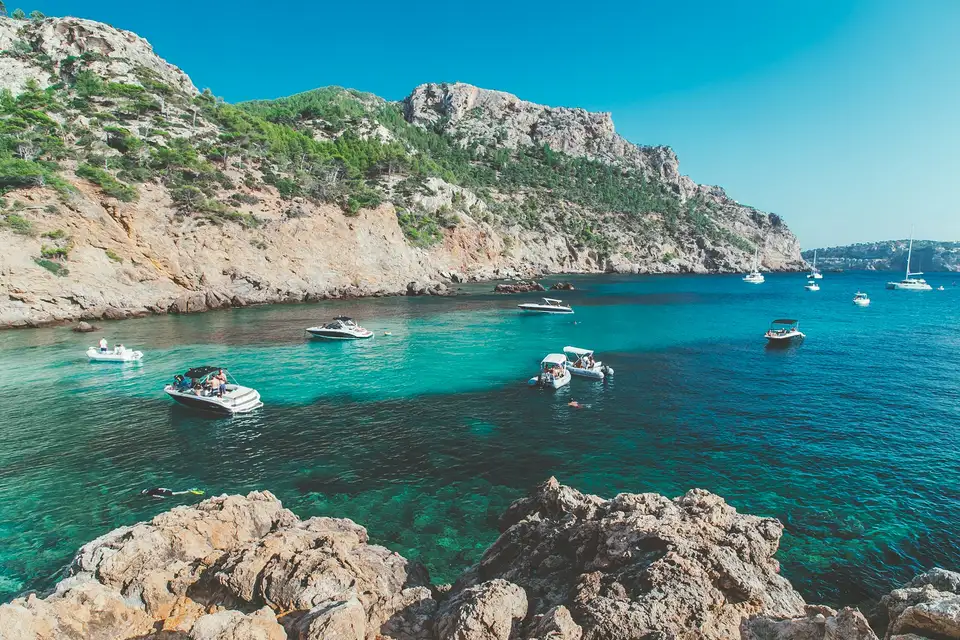
Saharan dust over Mallorca — How risky is the air, and what is missing in the response?
A Saharan dust cloud has hung over the island for days. Authorities report the air quality index as "poor." A reality check: who is truly at risk, what is missing from the public debate, and which concrete measures would help now?
Saharan dust over Mallorca — How risky is the air, and what is missing in the response?
Key question: How dangerous is the current Saharan dust exposure for people on Mallorca — and what is not being said clearly enough in the public debate?
Critical analysis
A gray layer has hung over the island for several days: authorities report elevated PM10 values, sometimes above 50 micrograms per cubic meter, and the European Air Quality Index classifies the situation as "poor." (Heat alert on Mallorca: How well is the island prepared for infernal heat days?) What sounds quick and clinical in dry numbers is not trivial in practice: fine dust particles irritate the airways, can increase coughing and, in sensitive people, trigger breathlessness or heart problems. The warning to avoid prolonged or strenuous outdoor activities is correct — but it often remains unclear how to implement this recommendation for normal work and daily routes.
What is missing in the public discourse
There are three blind spots: first, the situation of people who cannot stay at home — construction workers, delivery drivers, street cleaners. Their exposure is mostly unmentioned. Second, concrete, easy-to-implement recommendations are lacking for households without air conditioning or with older windows. Third, the language of the warnings is often technical and not available in multiple tourist languages; thousands of visitors do not grasp the nuances. (Mud Rain and Saharan Dust: Why the Weather Change Is Stirring Mallorca)
Everyday scene on the Passeig
On the Passeig Mallorca in the morning: vans hum by, three construction workers on a site drink coffee, an older woman with a shopping bag stops in the shade of a plane tree and rubs her eyes. The sky looks milky, the sun is subdued. (Mud Rain over Mallorca: How Resilient Is the Island to Sahara Dust?) You hear honking, the click of heels, the distant scream of a tram — and occasional coughing. This is not an alarm, but it is not normal operations either.
Concrete approaches — for households, businesses and authorities
Individual: People with heart or lung conditions, children and older adults should prefer indoor spaces, reduce activity and, if available, wear FFP2/N95 masks during prolonged time outdoors. (Mask Recommendation in the Balearic Islands: Sufficient Caution or Too Vague?) Keep windows closed during the day and briefly ventilate at night if values drop. Run air conditioners with filters, use simple air purifiers at home or damp cloths to reduce resuspended dust.
For employers and schools: postpone outdoor sports or move them indoors, schedule work so outdoor tasks fall into cooler, less polluted hours, provide protective masks and drinking breaks. Schools should have clear, practical instructions for parents — not just "limit activities," but offer alternative programs.
For the administration: deploy mobile real-time sensors at critical points (construction areas, workplaces), broadcast multilingual warnings at stops and ports, distribute free masks at health centers and intensify street cleaning outside rush hours to prevent resuspension. (Ozone alert 2025 on the Balearic Islands: Heat, traffic and the question of effective countermeasures) Designate municipal cooling and rest rooms as "safe spots," especially for older people without air conditioning.
Practical small steps that truly help
Water streets early in the morning to bind dust; targeted information for outdoor workers; temporary equipment packages for municipalities (masks, covers, filters); clear decision thresholds: above X µg/m3 restrict activities, close or adapt schools — communicated in simple sentences and several languages.
Concise conclusion
The current Saharan dust episode is not a catastrophe, but it is a test: how well can we adapt daily life to changed air conditions? Those who dismiss the problem as a "temporary nuisance" forget people who work outside, families without air conditioning and the many tourists here. A bit of pragmatism, better communication and a few targeted measures would substantially reduce the health impacts — and in this heat period that is not a big request, but an urgent necessity.
Frequently asked questions
How dangerous is the Saharan dust air quality for people on Mallorca?
What practical steps should visitors take during a Saharan dust episode in Mallorca?
How should workplaces and schools respond to Saharan dust in Mallorca?
What would a morning scene look like on Mallorca's Passeig during a dust episode?
Why should warnings about Saharan dust be available in multiple languages for Mallorca visitors?
What can homes without air conditioning do during Saharan dust episodes in Mallorca?
Is there a way to monitor air quality in Mallorca during a Saharan dust episode?
What is the overall takeaway about the Saharan dust episode in Mallorca?
Similar News

"Expensive chaos" and many open questions: What clients can do when a lawyer suddenly stops responding
Several clients complain that a well-known German lawyer in Mallorca has been unreachable for months. Key question: What...
TV tip: 'The Last Problem' — Mallorca as the setting of a classic crime
A classic whodunit on Mallorca: A new miniseries set in spring 1959 brings storm, an isolated hotel and a dense web of s...
Nipping Sea Creatures: Why Bathers in Cala Major and Elsewhere Should Be Cautious
In Cala Major, bathers have reported being nipped by small fish. What is behind it, how can problems be avoided — and wh...
Forced eviction in Santa Catalina: When a 65-year-old slept in her car and showered on the beach — a question of responsibility
The story of Pilar López from Santa Catalina represents a problem affecting many Mallorcans: How can an island with a bo...
New traffic rules from October 1: What Mallorca visitors and locals need to know
From October 1, 2026, Spain will implement far-reaching changes to traffic regulations. Important for Mallorca: greater ...
More to explore
Discover more interesting content

Can Cap de Bou

Townhouse Lleo 72
