
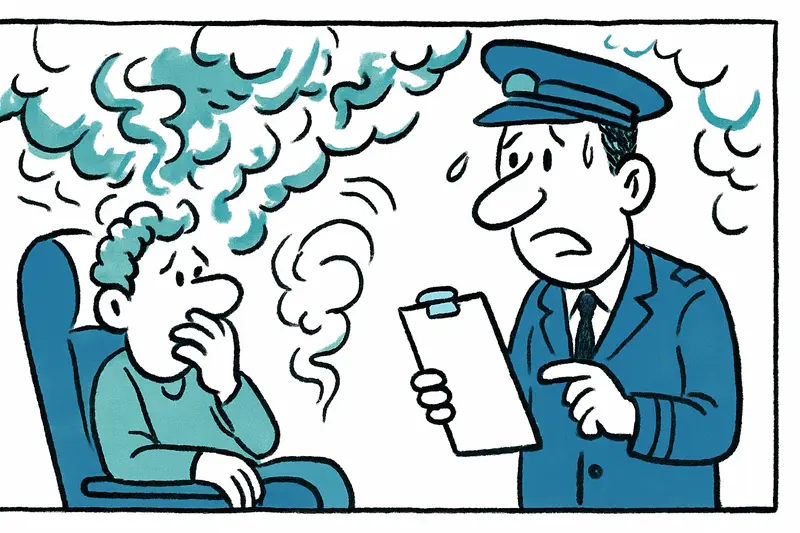
Smoke in the cabin: Son Sant Joan activated the emergency protocol — enough preparation for such cases?
Smoke in the cabin: Son Sant Joan activated the emergency protocol — enough preparation for such cases?
On a London–Palma flight crew reported smoke in the cabin. The tower gave landing priority and operations were briefly adjusted. What does this say about safety and communication at the airport?
Smoke in the cabin: Son Sant Joan activated the emergency protocol — enough preparation for such cases?
Main question: Is the routine in Palma sufficient to guarantee safety, passenger care and flight operations at the same time during such incidents?
On Saturday afternoon a flight from London reported smoke in the passenger cabin, as air traffic controllers posted on their X channel. Landing priority was immediately set: two aircraft flying ahead were instructed to circle so the affected plane could come down quickly. Temporarily the jet remained on the apron, departures were halted, and arriving flights were diverted to the right side of runway 24. Operations were then resumed; passengers were reported to be fine and the source of the smoke appeared to be under control. Yet past events like an emergency landing in Palma that raised questions over arrests and procedures show that outcomes can sometimes be more complex.
On paper the incident reads like a neat handling: alarm, prioritization, landing, inspection and resumption. But the sober sequence raises questions when you imagine the island and the airport in high summer. On the apron, between fuel tankers and baggage tugs, the heat roars, and taxi drivers sit in the shade along Passeig Mallorca watching the aircraft taxi. These everyday impressions show how quickly a single incident can break the calm routine — and how much service, calm and schedules depend on it besides safety.
Critical analysis: the emergency protocol worked, that's one side. The other is the lack of transparency in the minutes afterwards: what kind of smoke was it — electrical smell, burnt material, steam from an air-conditioning unit? Was the cabin air system shut down immediately, was medical first aid given on board, how many minutes exactly did the aircraft stand on the apron? Such details are missing from the public statement, and they are important for understanding and trust. Without them the headline remains: an incident, an intervention, then silence.
What is often not mentioned in public discourse is the cascade of consequences for ground operations. When a flight is immediately given priority, other processes are disrupted — ground crews are reprioritized, the sequence of departures and arrivals shifts, runway releases are redistributed. For travelers this ultimately means longer waits, missed connections, or a vague feeling of insecurity. In Palma, where many families, older people and transfer passengers travel, this is more noticeable than at major hubs. This mirrors weather-related disruptions such as thick morning fog that paralyzed Son Sant Joan and caused numerous delays.
Everyday scene: I stood on a hot Saturday on the promenade near the airport, heard the deep hum of the engines and saw two aircraft calmly circling — the typical sight when heat hangs over the island. At the terminal announcements could be heard, some travelers glanced at the information boards, others sought a place in the shade. These small observations are important because they show: a safety event is never just technical. It affects people who are hungry, tired or stressed.
Concrete solutions can be identified without panic. First: clearer, standardized information to those affected — short, comprehensible updates via SMS or an app explaining what happened and what assistance is offered. Second: more transparency about the nature of the incident from the responsible authorities as soon as there are no security concerns preventing it; this prevents rumors and speculation in queues and on social media. Third: regular exercises that bring not only the tower crew but also ground staff, fire services and medical teams together — with a focus on maximum efficiency in hot summer months when staff are more affected by heat.
Another point is technical prevention: airlines and maintenance teams should review maintenance schedules for cabin systems and potential ignition sources more closely in summer. On an island that depends heavily on tourism, prevention pays off twice — in safety and operational stability. Incidents such as an e-cigarette on board that set off alarms and caused major disruptions underline this. The airport management could also consider whether there is a need for additional parking stands for quick technical checks so that an aircraft does not block the apron for long after landing.
Regarding communication: it is understandable that the first information came from a professional group like the air traffic controllers. Nonetheless, it would be helpful if the airport or the responsible airline provided timely supplementary details — for example whether the fire service was on site or how passengers were assisted. Similar details were reported in a previous Palma case where the Guardia Civil and fire services attended after smoke in an airplane toilet. Such information reassures and shows that action was not only technical but also considerate of people.
Conclusion: the incident at Son Sant Joan apparently ended without injuries and relatively mildly. The emergency protocol worked. But safety is more than a one-off procedure — it requires follow-up, explanatory communication and concrete steps so that an incident does not turn into a loss of trust. In Palma, under the bright sun and the constant coming and going of aircraft, that would be a quiet but important improvement.
The practical question remains: how quickly do all parties learn from such a moment — and how quickly do travelers feel it? That is the real test for an airport that becomes a high-performance site in summer.
Frequently asked questions
What happens when smoke is detected in the cabin near Palma's Son Sant Joan?
How should Palma airport communicate with passengers after an incident?
What are the wider effects on operations when a flight is given priority at Palma during the busy summer?
What improvements could help Palma’s airport handle heat and summer operations better?
Was there information about fire services or medical assistance after the Palma incident?
What was observed by bystanders near the Palma airport during the incident?
How effective is Palma's emergency protocol, and what comes next?
What practical tips can travelers use to stay informed during disruptions at Mallorca's airports?
Similar News
Rental Car Theft in El Arenal: What This Incident Reveals About Our Gaps
A teenager steals a running rental car in El Arenal, flees on foot, climbs over walls and is caught by the Guardia Civil...
Red Rope in Palma's Library: What Helps Against Selfie Tourism — and What's Missing
Palma's city library cordoned off an area with a red rope to keep selfie tourism away from reading and working activitie...
Fort San Carlos: Museum, Harbor Dispute — and a Conflict That Demands Answers
The military museum at Fort San Carlos sits right on Palma's harbor, with unexpectedly quiet rooms filled with cannons a...
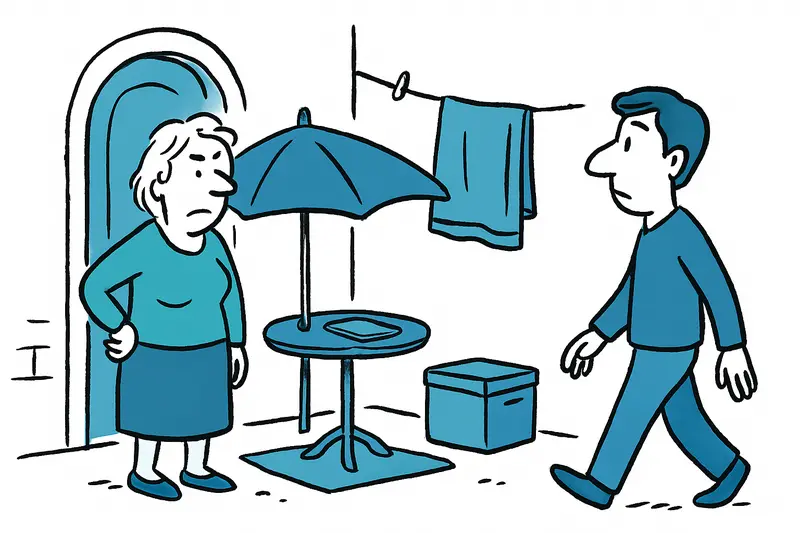
Old Town Under Pressure: When a Doorway Becomes a Sleeping and Shower Place
For months a woman has been living with a parasol, a clothes rack and personal belongings next to the social welfare off...
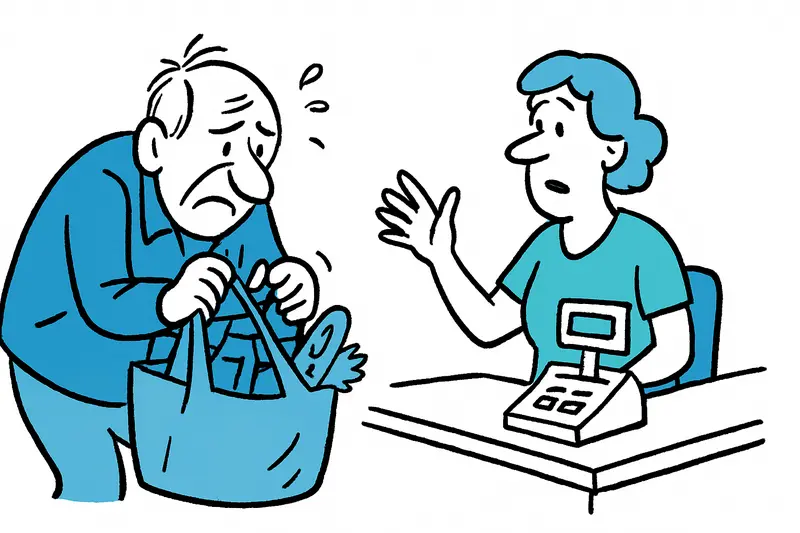
When Shopping Weighs Heavier: Mallorca Demands a Tax Pause on Food and Fuel
Rising prices are putting pressure on households and agriculture. The Balearic Islands are calling for temporary tax rel...
More to explore
Discover more interesting content

Can Cap de Bou

Townhouse Lleo 72
