
When the reception closed: troublemaker in Port d'Alcúdia injures three Guardia Civil officers
When the reception closed: troublemaker in Port d'Alcúdia injures three Guardia Civil officers
A drunken 22-year-old tourist tried to enter a hotel even though he was checked in at another property. When hotel staff stopped him the dispute escalated: three Guardia Civil officers were injured. A reality check on causes, gaps and what would need to change in Mallorca.
When the reception closed: troublemaker in Port d'Alcúdia injures three Guardia Civil officers
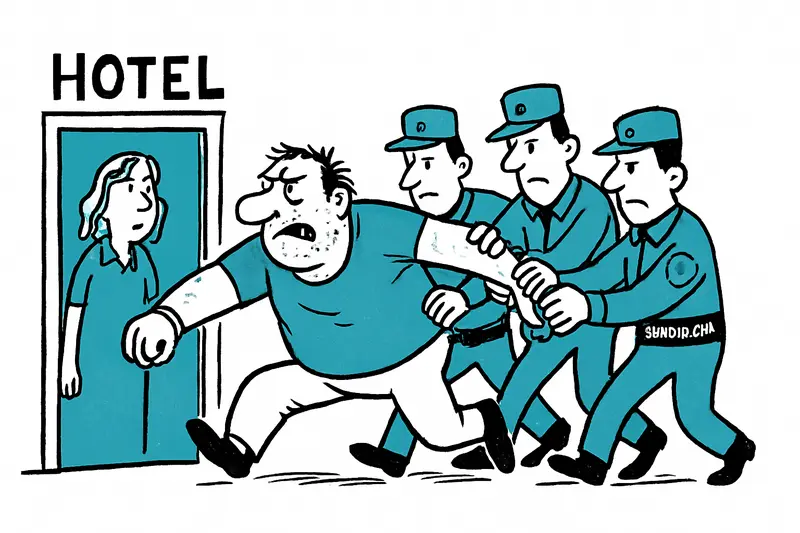
An incident at the entrance of a hotel in Port d'Alcúdia ended on a Sunday afternoon with an arrest: a 22-year-old Frenchman, heavily intoxicated, tried to enter the building and would not be turned away by the staff. The employees called the Guardia Civil. On site, officers confirmed from the man's wristband that he was registered at another nearby hotel. Nevertheless, the situation escalated; the tourist resisted, the officers were attacked and three of them suffered injuries. The arrested man is now suspected, among other things, of assaulting public officials, disobedience and serious resistance.
Key question
How can a single incident at a hotel door during the season so quickly turn into violence against emergency personnel — and which everyday gaps usually remain invisible?
Critical look at the sequence of events
At first glance this sounds like a classic tourist story: too much alcohol, wrong place, too much defiance. But the details reveal more: the man was obviously wearing the ID wristband from his actual hotel, the staff knew the rules and decided not to check him in. That it still turned into physical confrontation raises questions about staff preparation, spatial responsibilities and the operational concepts of law enforcement for minor disturbances. For example, previous incidents such as the Alcudia: Knife attack during alcohol check - police officer seriously injured underline how quickly situations can turn violent. Three injured officers are not a trivial matter — de-escalation, distancing and control failed here.
What's missing in the public debate
Usually we talk about individual, spectacular interventions or about sanctions against rioters. Rarely do we go further in the discussion: How well are hotel teams trained to deal with aggressive guests? Are there binding standards for when private security may be involved? How quickly can the Guardia Civil reach a hotel lobby in busy holiday resorts, and which alternative measures (e.g. medical care, interpreters) are available before the situation becomes violent? The perspective of the staff often remains in the shadows: receptionists and night porters are the first point of contact — and they take on emotional and physical risks every day. Incidents like Severely injured in Port d'Alcúdia: When life explodes behind closed doors show that these risks can have serious consequences.
Everyday scene from Port d'Alcúdia
In the afternoon in Port d'Alcúdia the sea is still warm, the streets fill with guests, street vendors and the smell of fried fish. Pensioners sit outside the hotel with coffee, next to them a couple pants after an excursion. When a drunk person then storms to the reception, you feel the tension immediately: voices rise, plates clatter, and the hotel staff exchange looks. In such moments, seconds of action often decide whether the situation remains controllable — or whether sirens are not far off and the Guardia Civil has to put hands on people. Comparable altercations have occurred in other resorts, for instance the Brawl at Playa de Palma: Why a verbal exchange could have ended fatally.
Concrete solutions
1. Mandatory de-escalation and legal briefings for all front-desk staff in holiday hotels; simple, rollable procedures for handling heavily intoxicated guests; training that also addresses physical safety.
2. Improved coordination: hotels should have clear internal protocols for when private security and when the Guardia Civil should be informed; short information chains reduce response times.
3. Visible but proportionate measures at entrances: well-placed cameras, two employees at access controls, clearly readable house rules in multiple languages and notices about consequences for disturbances.
4. Establishment of a regional hotline or information channel through which hotels can quickly verify whether a guest is actually registered at the property — of course in a data-protection-compliant manner and only with the necessary queries.
5. Preventive measures against excessive alcohol consumption in tourist centers: easier access to water stations, restrictions on open alcohol sales in certain areas and cooperation with bars to report particularly aggressive guests early.
What authorities and the industry should do now
The charges against the alleged perpetrator are clear: assaulting public officials, disobedience, serious resistance. This must not be downplayed. At the same time it would be short-sighted to rely solely on criminal prosecution. Prevention works better when hotels, hospitality, municipalities and police have clear roles and lines of communication. The Guardia Civil stands for security on the island, but the first line of defence is often the people at reception — and they need more support.
Concise conclusion
The incident in Port d'Alcúdia is not an isolated disturbance snapshot, but a mirror: too much alcohol, too little preparation and weak interfaces between private service and public security. If Mallorca wants guests to behave safely and staff to be protected, it must invest in prevention, training and fast, efficient coordination — otherwise the same trouble will repeat itself, ending again with injured officers and a hotel whose entrance becomes a front line.
Frequently asked questions
How can Mallorca hotels prevent conflicts with intoxicated guests?
How do hotels in Mallorca coordinate with the Guardia Civil during disturbances?
What practical safety measures can Mallorca hotel lobbies implement to keep entrances safe?
How can hotels in Mallorca verify if a guest is registered at a property without slowing down check-ins?
How can Mallorca address excessive alcohol consumption in tourist areas?
What should guests or staff do if they witness aggression in a Mallorca hotel lobby?
What seasonal risks should visitors consider in Port d'Alcúdia?
What should I pack for a Mallorca beach holiday to stay comfortable?
Similar News
Death in Son Gotleu: A Knife Stab — and Many Unanswered Questions
In Son Gotleu a young man was fatally injured after an altercation in a bar. Police arrested a suspect, but the reason r...
New Cappuccino in Port d'Andratx: Larger Terrace and Views of Harbor Life
After more than a year of renovation, an expanded Cappuccino Grand Café has opened in Port d'Andratx. The terrace, inter...
Unknown suitcase on board – how a piece of luggage forced an Ibiza jet to Toulouse
A Eurowings flight from Ibiza to Düsseldorf had to make an unscheduled stop in Toulouse because a piece of luggage on bo...
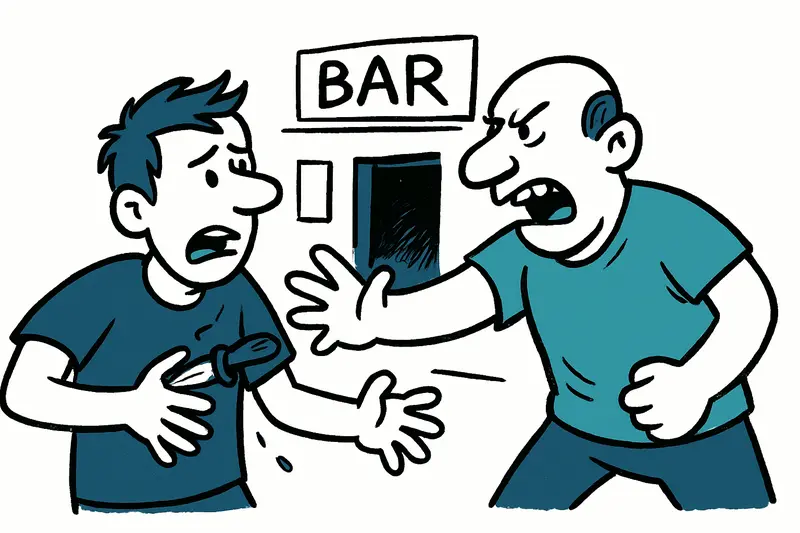
Fatal knife attack in Son Gotleu: Young man dies after dispute in bar
In Son Gotleu a young man was stabbed to death after an argument in a bar. The Policía Nacional arrested a suspect short...
Autumn approaches on the island: Still sun, but a rain band will soon bring relief
The last warm days on Mallorca are still here – around 30°C by day, just under 20°C at night. According to AEMET, a rain...
More to explore
Discover more interesting content

Can Cap de Bou

Townhouse Lleo 72
