

Two hotel attacks in one night: Why the east of Mallorca must not look away
In Sa Coma and S'Illot two visitors were arrested one evening after two women were injured. A reality check: what's missing, what helps?
Two hotel attacks in one night: Why the east of Mallorca must not look away
Arrests in Sa Coma and S'Illot – one case, two locations, many questions
Last weekend two men were arrested at hotels on the east coast after women were apparently physically attacked. The local police of Sant Llorenç des Cardassar detained the suspects: a 51-year-old and a 37-year-old British national. One of the victims had to be taken to Manacor Hospital for further examination. The incidents occurred almost simultaneously and affected staff and guests at places that are busy with sun-seekers and bus routes by day, but whose hotel corridors, hallways and rooms are shut behind closed doors at night.
Main question: Why do attacks repeatedly occur in holiday accommodations – and what prevents us from protecting people more quickly and effectively?
That two cases were reported within an hour is not a coincidence but a wake-up call, as similar late-night assaults have been reported elsewhere, for example Nighttime Attack on the Paseo Marítimo: How Safe Is Palma’s Party Mile Really?.
In Sa Coma, where the promenade in the morning is still marked by the sound of the sea and café delivery vans, and in S'Illot, where families lie on the beach and hotel lights color the façades in the evening, violence can still happen – often behind closed doors and far from public view.
The situation outlines a pattern: confrontations often escalate after alcohol consumption, private rooms serve as the scene, and helpers are neighboring rooms or attentive hotel staff. In both cases witnesses or employees alerted the police; civic courage helped the victims get out of the situation. The rapid intervention of the local police apparently prevented worse and put the accused in custody, and the women received medical attention.
Critical analysis: the arrest itself is important but not enough. Police and emergency services take over immediate protection – but prevention, early detection and sustainable support for those affected fall to other actors: hoteliers, tourism associations, local health services and not least us as neighbors and guests. Other recent cases, such as Organized watch robbers in the Balearics: Why Mallorca must also stay vigilant, illustrate the need for coordinated prevention.
What is often missing in the public debate are three things: first, clear procedures in hotels for acute cases of violence, visible and explained in several languages. Second, low-threshold support services for affected tourists who are disoriented (language barriers, fear of reprisals, ignorance of rights). Third, a critical engagement with the alcohol culture in some destinations – too often people only talk about atmosphere, while the risks remain unmentioned.
An everyday scene: It is early morning in Sa Coma. The bakery delivery worker pushes his carts by, the wind carries salt from the bay, chambermaids knock on doors. A guest notices blood on the corridor, a waiter stops and calls the receptionist. Such small observations can expose an incident. Civic courage acts immediately and can be life-saving in this scenario.
Concrete, practical measures for the island:
1. Mandatory training for hotel staff on recognizing violence, safe intervention routes and multilingual information sheets for guests. Trainings should be practice-oriented and include role-play scenarios.
2. Standardized emergency protocols in all accommodations: internal alarm chains, discreet markings for affected rooms, clear cooperation with the local police and Manacor Hospital.
3. Visible information in hotels and on beaches with helpline numbers in several languages and information on rights and protection options – not only as flyers but also digitally and clearly displayed at the reception, as highlighted by Robbery at Can Pere Antoni: Why this incident reverberates — and what needs to happen now.
4. Alcohol management in heavily frequented holiday zones: better control of all-inclusive bars, targeted information campaigns about limits of alcohol consumption and cooperation with event organizers.
5. Expansion of interpreter and legal advice services for tourists, quick connection to victim support, also during peak tourist times.
6. Local prevention networks: police, health services, hoteliers and municipal administration should regularly exchange case figures, experiences and possible improvements.
Assessment of the response: It is positive that both cases were pursued immediately and the alleged perpetrators handed over. Credit is due to the courageous intervention of guests and hotel staff. Nevertheless, the issue must not be dismissed with the mere reporting of arrests – sustainable structures are needed to systematically address violence in tourism.
What to do now: The municipal administration of Sant Llorenç des Cardassar and the tourism industry should not only react to these incidents but use them as an occasion to develop binding safety standards. This goes beyond inspections: it requires the courage to disclose problems, educational work and resources for victim support.
Punchy conclusion: Two arrests in one night are an alarm signal for a holiday island that likes to cultivate the pretty picture of its everyday life. Behind closed hotel room doors another reality is revealed. If we do not want the next report to again be about injured people, we must share responsibility: authorities, businesses and guests. Civic courage helped in these cases – it must not remain the only line of protection.
Frequently asked questions
What should hotel guests in Mallorca do if they think someone is being assaulted nearby?
Are hotel assaults in Mallorca usually reported by staff or by other guests?
What makes hotel violence harder to detect in Mallorca resorts?
When is Mallorca busiest with holidaymakers in places like Sa Coma and S'Illot?
Where is Manacor Hospital in Mallorca used for hotel-related emergencies?
Do Mallorca hotels need clear procedures for violent incidents?
Why is alcohol often mentioned in hotel incidents in Mallorca?
What support can tourists in Mallorca get after a violent incident?
Similar News
Head-first dive into the shallow part of Cala Fonoll: An accident and the unresolved question of responsibility
A young tourist dove into Cala Fonoll and was seriously injured. Key question: Why are clear warning signs missing at da...
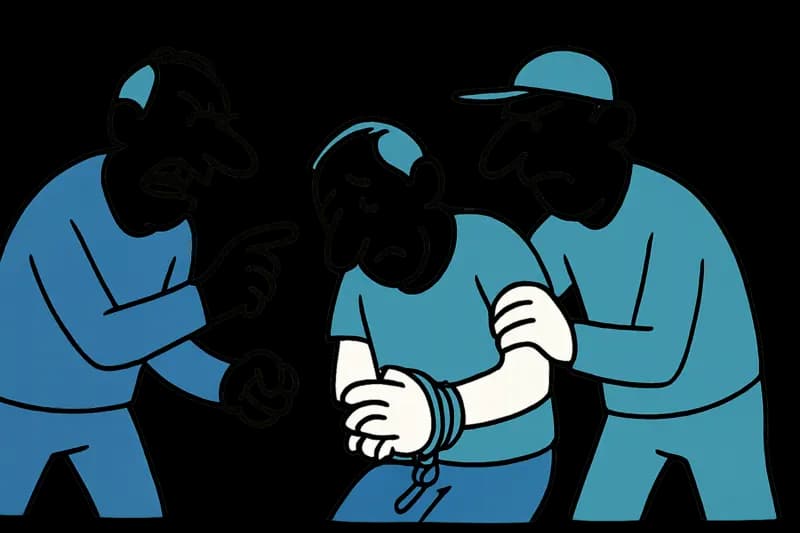
Mistaken identity with fatal consequences: Brutal assault in S'Aranjassa — what's missing in the follow-up?
At S'Aranjassa a visitor to a finca was tied up, beaten and thrown out of a van. Three men have been arrested, including...
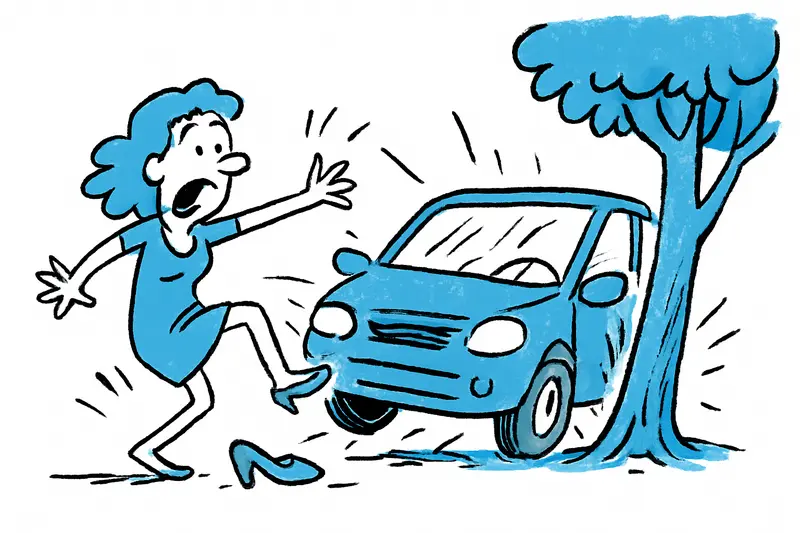
High heel slips, car accelerates: accident on Camí de Son Hugo
A woman lost a high-heeled shoe on the forecourt of the sports facility at Camí de Son Hugo. The car accelerated, mounte...
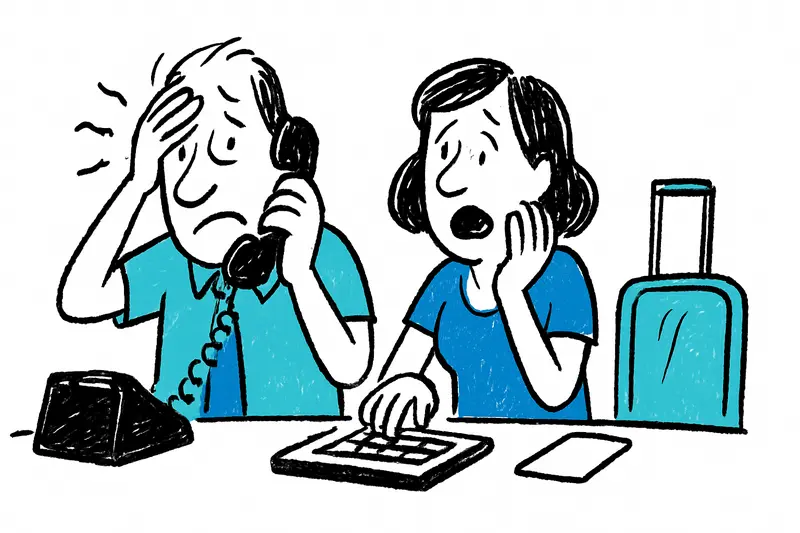
Phone Scam: How Two Hotel Employees at Playa de Palma Lost Thousands of Euros
One morning in September, two reception employees at Playa de Palma were pressured by alleged alarm-company staff — in t...
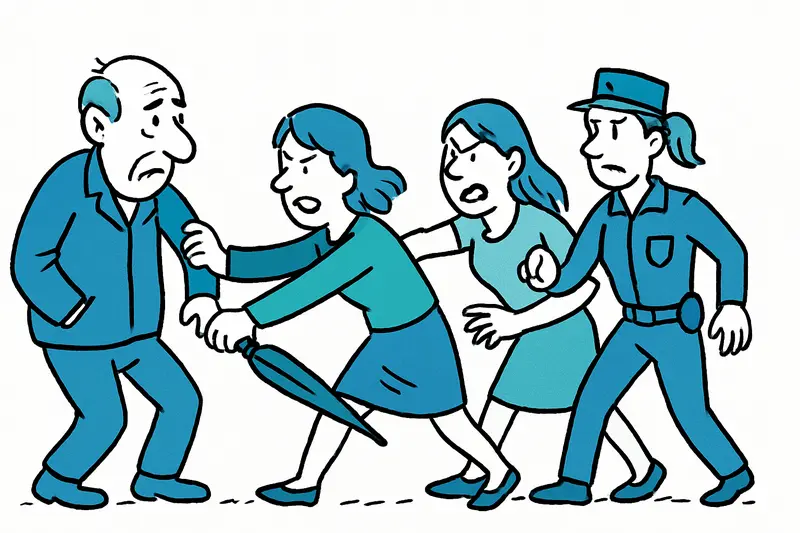
When the Wallet Becomes a Danger: Attack in Peguera and Lessons for Mallorca
In Peguera, two women are said to have stolen the wallet from a 75-year-old German couple. When the victim intervened, t...
More to explore
Discover more interesting content

Can Cap de Bou

Townhouse Lleo 72
