
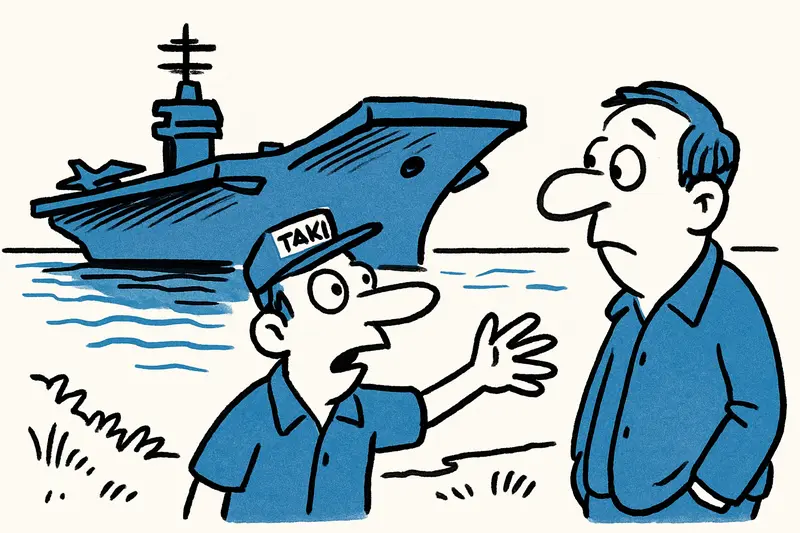
USS Gerald R. Ford off Palma: A Colossus That Casts More Than a Shadow
A nuclear supercarrier will anchor off Palma in early October. What will it mean for noise, security and the cafés' takings? A critical assessment with concrete proposals for the island.
A colossus in the bay: What remains when the shadow passes?
From October 3 to 8 the USS Gerald R. Ford will lie off Palma – 337 meters of steel, nuclear-powered, with around 4,500 people (see USS Gerald R. Ford in Palma: A Giant, 4,500 Guests — and Open Questions) on board. If you stroll along the Paseo Marítimo and the smell of freshly roasted coffee hangs over the sea, you will feel the weight of this ship: not only visually, but through police sirens, extra port services and the inevitable discussion at the next table (reported in Giant off Palma: USS Gerald R. Ford sparks cheers — and raises unanswered questions). The central question is: How does such a short, conspicuous stop change daily life in Mallorca – in the short and long term?
More than just a photo opportunity
At first glance the effects are obvious: extra income for hotels, restaurants, taxis and shops. Local coverage describes the scene in detail, see Giant at Anchor: US Aircraft Carrier Sparks Debate in Palma. Tour operators plan trips to Deià and Valldemossa, taxi drivers whisper in cafés about electronics stores and the best paella spots. But behind the ringing cash registers there are downsides: unplanned visitors create volatility; residents complain about noise and altered routes; port logistics must be rearranged. The city administration faces the challenge of weighing short-term economic benefits against predictability and quality of life, as local reporting on boat protection shows USS Gerald R. Ford off Palma: Between Warning and Everyday Life — Who Protects the Boats?.
Security, discretion — and questions that are asked too rarely
Police, Guardia Civil and the port authority are present, routes for busloads are sketched out. That is reassuring — and at the same time raises questions: How transparent should authorities be without increasing security risks? Who informs older people in the neighborhood who suddenly face different bus lines or closures? In Portixol a woman told me she had to take a detour early in the morning without warning because a control zone had been set up. Small disruptions like that add up.
Environment and port operations: an issue that is often overlooked
The Gerald R. Ford is nuclear-powered — that is a fact. Less frequently discussed are the consequences large warships have for shipping routes, anchorage areas and the local marine biology. More ship traffic means changed currents, potentially noisy maneuvers and extra pressure on the seabed. It would be prudent to conduct measurements before and after the visit: noise levels, water quality and observations of marine fauna — not out of alarmism but out of precaution.
Economic opportunities — but for whom?
Economists estimate the crew will spend several million euros. For restaurants, bus companies and souvenir shops this is a welcome boost. But who really benefits? Many small traders would prefer steady visitors throughout the season rather than short peaks. It would therefore make sense to convert short-term demand into long-term offers: coordinated city tours, presentations of local products or pop-up markets that continue to attract visitors after departure.
Social signal: security or provocation?
In a time of geopolitical tensions a US aircraft carrier reads like a statement. For some it provides reassurance, for others it is an uncomfortable reminder of how close global conflicts pass by our shores. Coverage highlighting divisions is available in USS Gerald R. Ford off Palma: Why the island is now divided. In Portixol two men sat and argued quietly over espresso: 'It reassures me' versus 'Too much military off our coasts'. Both positions are valid — and both deserve public debate, not just behind-the-scenes briefings.
Concrete proposals for a responsible hosting role
So that such a stop in Palma does not remain just a flash of camera bulbs and two headlines, I suggest small, concrete measures:
- Create transparency: An online, publicly accessible map showing announced exclusion zones, bus connections and timing. That way residents, tourists and traders know what to expect.
- Environmental screening: Before-and-after measurements of noise and water quality by independent bodies. Publish the data to build trust.
- Regulated shore leave: Agreed, well-secured shuttle routes and designated visiting zones minimize conflicts and protect sensitive neighborhoods.
- Local economic package: Short-term permits for pop-ups, coordinated offers from local restaurateurs and a digital marketplace for crew purchases so money flows deliberately into the community.
- Dialogue format: A public forum after the visit — town hall, neighborhood representatives, traders and the port authority share findings openly and plan improvements for future stops.
Conclusion: One visit, many perspectives
For a week Palma will beat differently: more people on the streets, extra buses, increased police presence and discussions in cafés. Whether one regards the carrier as an economic opportunity, a symbolic security gesture or a disruption depends on perspective and neighborhood — whether you are on a break in Palmanova or walking the dog in Portixol. The important thing is that the island should not only react, but shape the visit. With transparency, monitoring and participation Palma could turn a spectacular visit into learning experiences — for the sea, for neighborhoods and for the local economy.
Frequently asked questions
How long will the USS Gerald R. Ford stay off Palma?
Will the USS Gerald R. Ford affect daily life in Palma?
Is the USS Gerald R. Ford visit to Palma good for local businesses?
What security changes should people expect around Palma during the ship visit?
What are the environmental concerns about a warship off Palma?
Why is the USS Gerald R. Ford visit to Palma seen as controversial?
What should residents in Portixol know during the Palma carrier visit?
What is the best way to plan a visit to the Paseo Marítimo in Palma during the ship’s stay?
Similar News
Palma under the microscope: 87 arrests over forged passports – what now?
The National Police stopped 87 people at Palma airport this year with allegedly forged documents. Why are controls alone...

When a Taxi Fare Dispute in Magaluf Turned Bloody: How Safe Are Passengers and Drivers?
In Magaluf a dispute over the fare escalated: a tourist, now 18, is accused of having seriously injured a taxi driver in...

Why Mallorca Has Become So Terribly Expensive — A Reality Check
Rents are exploding, staple food prices are rising, wages are lagging behind. A look at the causes, what is missing from...

When Paradise Becomes Unaffordable
Hotel rooms, paella and the weekly grocery shop: Mallorca is becoming more expensive for many. Who pays the bill — guest...

End at Ballermann: What Is Lost with the Dino Mini Golf at Playa de Palma
On October 25 the dinosaur mini-golf course at Playa de Palma will close after more than 30 years. Why the city is recla...
More to explore
Discover more interesting content

Can Cap de Bou

Townhouse Lleo 72
