
Water Main Break in Palma: Why a Rupture in the Network Hits the Whole City
Water Main Break in Palma: Why a Rupture in the Network Hits the Whole City
A water pipe burst at the Son Moix roundabout, causing afternoon flooding, traffic jams and a flood of complaints. Repairs are expected to continue into the night. What does this say about Palma's infrastructure?
Water Main Break in Palma: Why a Rupture in the Network Hits the Whole City
Water gushes over the roundabout at Son Moix, schools and streets affected – repair work continues
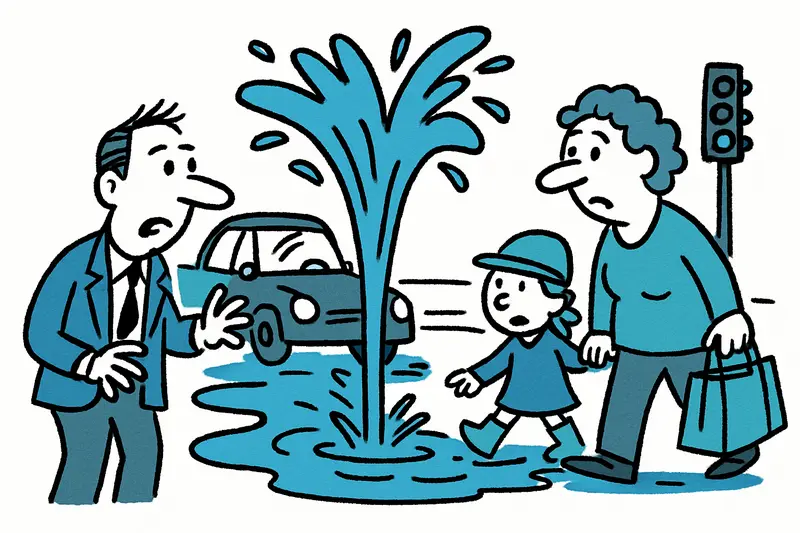
Around 4:15 p.m., water suddenly shot up through the asphalt at the large roundabout near Son Moix. Emaya, the municipal utility, dispatched technicians; sluggish traffic and wet sidewalks were the result. Families picking up their children from school waited at traffic lights and watched the floods run down the roadway. Supply to parts of Son Cotoner, Son Dameto (near Policlínica Miramar) and Son Flor was temporarily reduced or cut off entirely. Emaya reported that the repair could be completed during the evening or, at the latest, overnight.
Key question: Who is responsible when an old pipeline in the middle of Palma fails and daily life in neighbourhoods comes to a standstill for hours?
In the short term the picture was simple and annoying: cars pushed through puddles, pedestrians struggled with wet shoes, and backups of several kilometres formed at junctions toward Andratx. It was particularly inconvenient that the incident coincided with school dismissal. Moments like these reveal how vulnerable the city is when central supply lines fail – whether in bright sunshine or stormy weather.
Critical analysis: The immediate cause was likely a faulty joint on an important water main in western Palma; technicians located the suspected damage near the intersection of Camí de la Vileta and Camí de Son Moix. The problem is not isolated: this part of the city repeatedly experiences pipe breaks, linked to an ageing drinking-water network. Similar incidents, like the Pipe burst in Calle Olmos and the Burst pipe in Carrer Oms, illustrate the pattern. Temperature changes, pressure spikes and material fatigue are known triggers. The consequences: local flooding, interruptions to water service and traffic chaos. All of this costs money, time and nerves.
What is often missing from public debate is a sober discussion about priorities and costs. It is not enough to patch holes after each incident and carry on. Conversations mostly focus on repair times and apologies. Rarely do we hear a clear listing of which pipeline sections urgently need replacement, how priorities are set and how the city intends to finance long-term measures. The role of preventive technologies such as leak sensors, pressure monitoring and systematic condition assessment also remains too little visible. This discussion has been prompted by utility statements, for example Emaya wants to renew Palma's pipeline network faster.
A scene from everyday life nearby: in front of the Son Moix sports centre a mother stood with shopping bags while her little daughter in rubber boots jumped in puddles, and a city bus drove slowly past as the driver gestured because the detour signage was not clear enough. The smell of damp concrete mixed with the sound of honking cars. Scenes like these repeat in Palma — always with slightly different protagonists, but the same causes.
Concrete solutions that would help now: first, mobile drinking-water points should be set up so households with shut-off supply are quickly provided for. Second, a clear communication protocol is needed: precise time windows, which streets are affected, and alternative routes for buses and delivery traffic. Third: temporary pumps and sandbag barriers can mitigate flooding in street sections and prevent damage to private businesses.
In the medium term other levers must be applied: prioritised renewal of the oldest pipeline layers, deployment of remote monitoring sensors for early detection of pressure drops, targeted investments in replacement programs based on objective criteria (age, material, failure history). Financing could come from a mix of municipal funds, EU infrastructure grants and earmarked loans. Finally: a transparent map of pipeline condition that shows citizens where infrastructure is fragile and which projects are planned.
Who pays? In the short term the workers and the administration. In the medium term the taxpayers, if no timely changes are made. The alternative is more expensive: further emergencies, damaged vehicles and lost working days for commuters.
Conclusion: The pipe break at Son Moix is more than a local nuisance. It is a wake-up call. Not every broken pipe is a scandal, but the accumulation of incidents shows: Palma's water network needs planning instead of patchwork. If the city administration and the utility merely mend the spot and hope nothing worse happens, they are postponing the bill to tomorrow. Those living in Palma will pay either via their water bills or through the next, bigger failure.
Frequently asked questions
Why did the water main break in Palma affect so many streets at once?
Which areas of Palma can be affected when there is a pipe break near Son Moix?
How long does it usually take to repair a water main break in Palma?
What should residents in Palma do if their water supply is interrupted by a pipe burst?
Why do water mains break more often in parts of Palma?
How does a water main break near Son Moix affect traffic in Palma?
What can Palma do to prevent repeated water pipe breaks?
Who is responsible for water supply problems in Palma?
Similar News

Rental Car Theft in El Arenal: What This Incident Reveals About Our Gaps
A teenager steals a running rental car in El Arenal, flees on foot, climbs over walls and is caught by the Guardia Civil...
Red Rope in Palma's Library: What Helps Against Selfie Tourism — and What's Missing
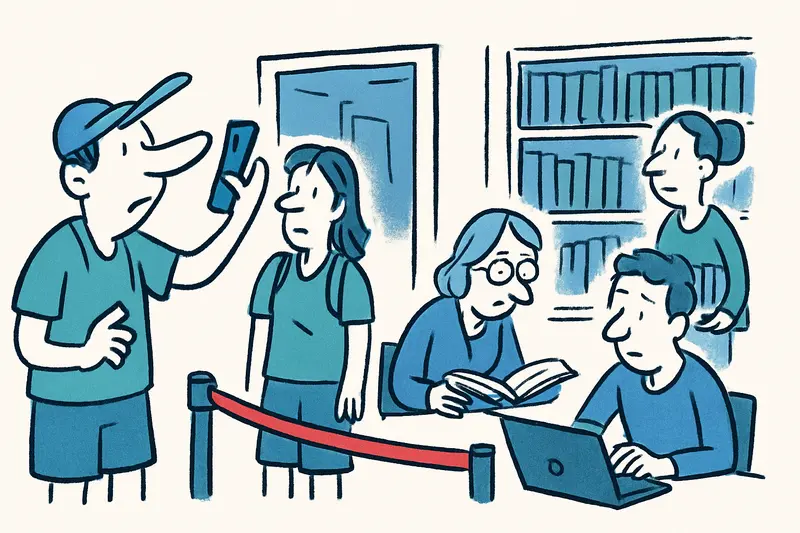
Palma's city library cordoned off an area with a red rope to keep selfie tourism away from reading and working activitie...
Fort San Carlos: Museum, Harbor Dispute — and a Conflict That Demands Answers
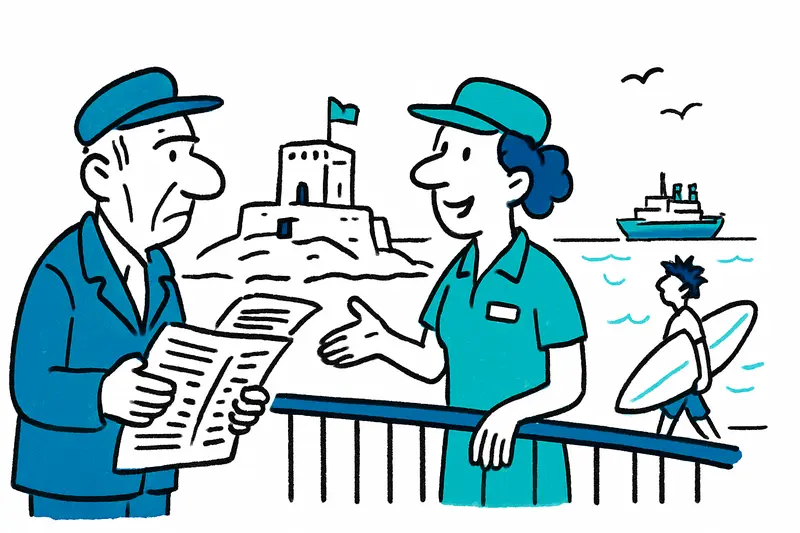
The military museum at Fort San Carlos sits right on Palma's harbor, with unexpectedly quiet rooms filled with cannons a...
Old Town Under Pressure: When a Doorway Becomes a Sleeping and Shower Place
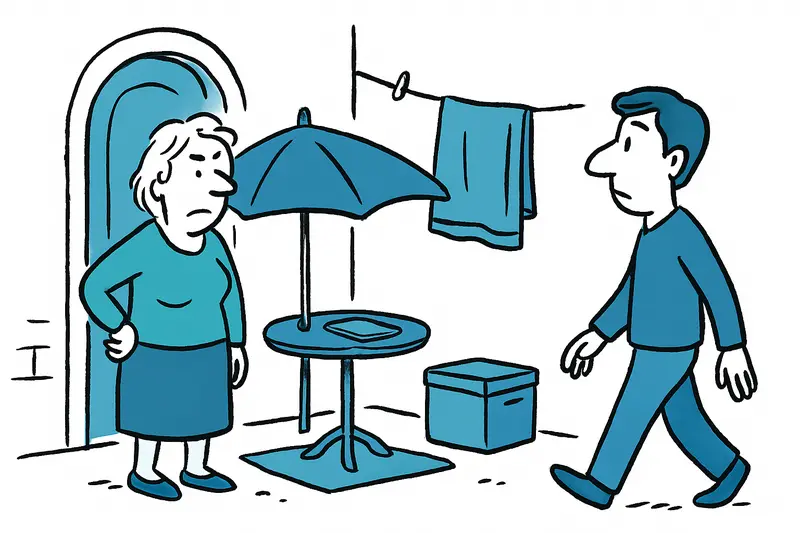
For months a woman has been living with a parasol, a clothes rack and personal belongings next to the social welfare off...
When Shopping Weighs Heavier: Mallorca Demands a Tax Pause on Food and Fuel
Rising prices are putting pressure on households and agriculture. The Balearic Islands are calling for temporary tax rel...
More to explore
Discover more interesting content

Can Cap de Bou

Townhouse Lleo 72
