
When 36 Degrees Threaten: How Mallorca Should Confront the New Heat
When 36 Degrees Threaten: How Mallorca Should Confront the New Heat
Aemet forecasts peak temperatures up to 36 °C for next week, and the sea is already above-average warm. A practical heat checklist for island residents, tourism and policymakers.
When 36 Degrees Threaten: How Mallorca Should Confront the New Heat
Key question: Is Mallorca prepared for heat waves — not only for tourists, but for residents, tradespeople, agriculture and the power supply?
The facts are simple: Aemet forecasts for the coming week maximum temperatures that can locally reach up to 36 °C. Today the thermometer in Palma shows around 27 °C, at the weekend places like Campos, Llucmajor and parts of the island's interior rise to 30 °C and more; on Saturday locally already 33 °C are possible. The measurement buoys also report warm figures: 24.5 °C in the Bay of Pollença, 22.53 °C at Dragonera. After a few cooler days with fresh north or northeast wind, tropical nights are not yet widespread — that can change quickly.
Critical analysis: More than just hot air
Heat is not just a thermometer problem. When the sun shimmers and cicadas start their daily ensemble on the Passeig del Born, direct consequences hit: more hospital admissions due to circulatory problems, stressed emergency services, endangered outdoor workers, higher electricity loads from air conditioning. That warm sea surfaces become part of the statistics means additional risks for fisheries, water quality and bathers. The local forecast names specific places with peak values — Llucmajor and Algaida are highlighted — but the discussion often remains too general; see Heatwave reaches 42 °C: How Mallorca should cope with the new temperature peak.
What is missing from the public discourse
There is a lot of talk about temperature peaks, despite coverage like 40 Degrees This Weekend: Mallorca Faces a Heat Test – What Matters Now, but little about concrete protective measures for the most vulnerable: older people in apartment blocks without air conditioning, construction workers on open sites, homeless people, people with chronic illnesses. Also underexposed is who bears the additional costs when electricity demand and cooling needs rise in parallel: private households, businesses or municipal grids? And: Mentioning warm measurement buoys is important — but there is a lack of transparency about long-term data for all ports and beach sections, so that swimming bans, beach monitoring or fishing restrictions can be planned in time.
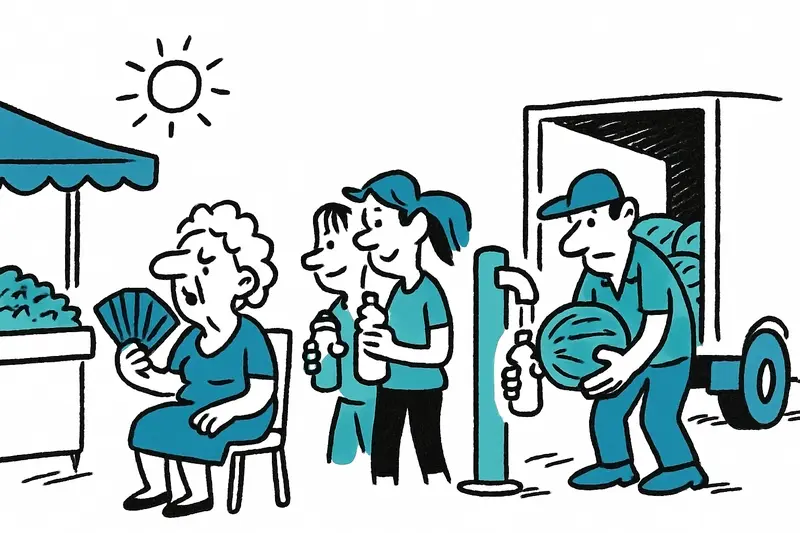
Everyday scene at the market in Santa Catalina
Early in the morning at the Mercat de Santa Catalina: sellers set up stalls under improvised sun canopies, a delivery driver shovels boxes of watermelons out of the van, the engines are already rattling. The older woman next to the vegetable stand fans herself, two teenagers fill PET bottles at a temporary water point. This small scene shows what is at stake: shade, drinking water and rest areas are practical first-aid measures that are often expected from the municipality but improvised locally by the people; see Nearly 40 °C: Mallorca's Daily Life Under Heat Stress — How the Island Can Respond.
Concrete solutions — immediately implementable
1) Immediate measures for the coming week: Public
Frequently asked questions
How hot can it get in Mallorca during the coming heat wave?
Is it safe to swim in Mallorca when the sea is unusually warm?
What should I pack for Mallorca in very hot weather?
Who is most at risk during a heat wave in Mallorca?
Why do heat waves in Mallorca put pressure on the power supply?
What does hot sea water mean for fishing and beach conditions in Mallorca?
What is the situation like in Palma when Mallorca gets very hot?
Why are Llucmajor and Campos often mentioned during Mallorca heat alerts?
Similar News

Micaela Schäfer: Between Playa de Palma and a Berlin Law Firm — New Calm, an Old Tomcat and Solid Finances
The party artist from the Ballermann scene appears surprisingly down-to-earth: a new relationship with a Berlin lawyer, ...
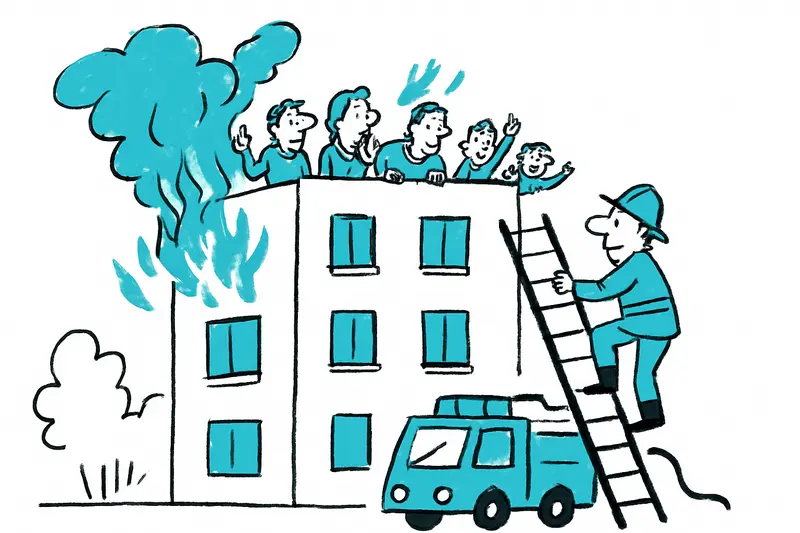
At Playa de Palma: Fire in Residential Building – six people rescued on the roof, what is missing in prevention?
In the evening a fire broke out on the first floor of a five‑storey building on Calle Trasimé. Six residents fled to the...
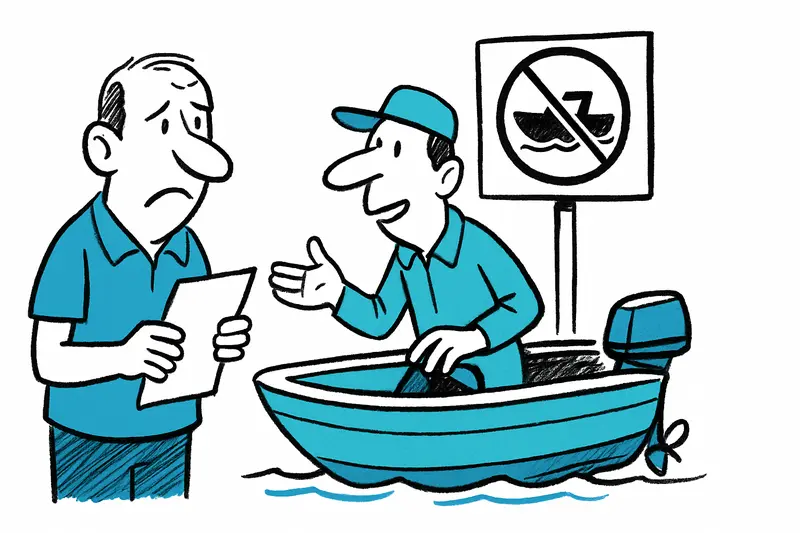
New License Requirement for Mini-Boats in Mallorca: Protection Measure or Tourism Brake?
From October 1 renters of small recreational boats in the Balearics must present a boating license. Critical questions r...

After the Storm: Mallorca Breathes Easy — Warm Weekend with Short Showers
The thunderstorm left its mark, but calm returns for the weekend: sun, summer temperatures around 32 °C, isolated shower...
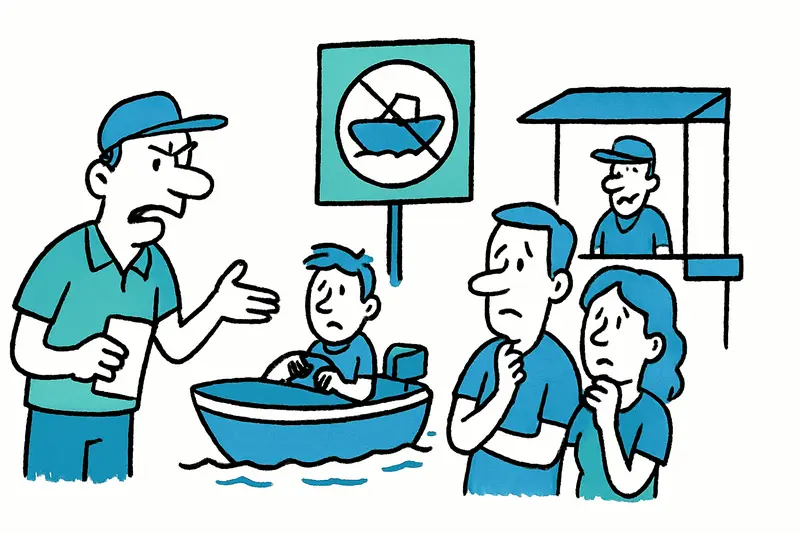
No More 'Just Hop on a Boat': Mallorca, Mandatory Boating License and the Open Questions
From October 1, the Balearic Islands will require a boating license for small rental boats under five meters/15 hp. A tr...
More to explore
Discover more interesting content

Boat Tour with BBQ along Es Trenc Beach
Private transfer from Mallorca Airport (PMI) to Pollensa
