

When Will the Rain Come — and Will It Be Enough? Why Mallorca’s Hot Summer Forces Reflection
When Will the Rain Come — and Will It Be Enough? Why Mallorca’s Hot Summer Forces Reflection
Aemet sees rain next week and a cooldown to around 29 °C. The question remains: Does a shower end months of extreme heat or does it change the underlying problem?
When Will the Rain Come — and Will It Be Enough? Why Mallorca’s Hot Summer Forces Reflection
Key question: Can a day of precipitation mitigate the effects of months of heat — or is it only a short-term respite?
On Passeig Mallorca the late summer sun still beats down, and the air conditioning in the little bakery on the corner hums louder than the coffee machine. Aemet signals a Short late summer — then a weather turnaround: What Mallorca needs to know now for the coming week: isolated showers and a noticeably lower high temperature — the forecast shows about 29 °C for Thursday. That sounds like relief, a break from the 30s and the 36 °C readings that have become commonplace in recent months.
In the short term, that's true: because the air mass becomes cooler, daytime temperatures drop and nights cool a bit more than in the hot nights of recent weeks, which often stayed at 23 °C or above. But between forecast and noticeable relief lie practical questions: Where exactly will it rain? Are Thunderstorms, Downpours, Cooling and Contrasts: Is Mallorca Ready for Summer Storms? enough for dried-up wells, parched fields and stressed vegetation to recover? The sober answer is: not necessarily.
The situation is no surprise; this summer we did not experience just one record hot day but Mallorca swelters once more: Short heatwave brings late-summer warmth. At measuring points like Llucmajor temperatures above 36 °C were recorded, and other stations such as Porreres, Campos and Manacor also reported unusually high readings. Several heat episodes one after another mean: soils are desiccated, groundwater levels fall, and end users notice this in higher water use and stricter water withdrawal schedules in some municipalities.
Critical analysis: a single downpour is meteorologically important but socially limited. Heavy rain can cause local damage when it suddenly hits hard, compacted soils that take up little water. Lighter, longer-lasting rain would be more effective, yet forecasts point more to isolated showers. For agriculture, city trees and drinking water supplies, predictable, steady rainfall volumes are more helpful than episodic, localized events.
What is often missing in public debate is discussion about resilience instead of just short-term weather reports. The debate frequently revolves around temperature records and record numbers — important, of course — but too rarely about the question: How much rain is really needed, how is rain stored, and what infrastructure is lacking to make use of it? If we only talk about thermometer readings instead of soils, storage, tree species and working hours, we miss the essentials.
A familiar everyday scene: at the Santa Catalina market vegetable sellers sit down earlier because the heat forces customers into midday rest. The sprinkler systems along the promenade run in the early morning; by 11 a.m. many café seats are empty because tourists and locals seek shade and air conditioning. Such small observations say more about the need to adapt than any weather map.
Concrete solutions that are missing here are practical and affordable: more urban rainwater retention (infiltration areas instead of paved squares), decentralized rainwater harvesting systems for public buildings, prioritizing heat-resistant tree and plant species in urban greening, and flexible working hours for construction and gardening workers so heavy tasks are not done in the worst heat. At the regional level the island should review investments in storage and pipeline systems: desalination temporarily quells thirst, but it does not replace the importance of healthy groundwater reserves and efficient agricultural techniques, as discussed in Finally cooler – Thunderstorms bring relief, but also questions for Mallorca's infrastructure.
On the health front we need better, locally visible warning levels: cooling rooms in municipal buildings, extended opening hours for public pools on hot nights and low-threshold information services for older people and shift workers. Medical services and pharmacies must have heat action plans that are not only brochures but are practiced.
It is also a political question: who plans the street redesign in Palma? Will contracts require shade structures, permeable surfaces and tree strips? Such decisions cost money, but they reduce long-term costs for health, irrigation and heat damage.
Concise conclusion: the coming rain is welcome, but it is not a cure-all. Mallorca faces an adaptation task that goes beyond weather reports. In the short term a cooler Thursday will bring a breather; in the medium term the island needs structured measures — storage, infiltration, adapted urban planning and health services — so that isolated showers can grow into real resilience. Otherwise we will remain anxious at every weather change, hoping for rain and reacting only when the soil is already dry again.
A simple tip to finish: anyone with space should install at least one rain barrel; anyone planning should demand permeable paving in front of their own house. Such small measures add up until larger political decisions must follow.
Frequently asked questions
Is a single rain shower enough to cool Mallorca after a heat wave?
What do repeated heat waves mean for Mallorca’s water and vegetation?
What practical steps can residents take to cope with drought in Mallorca?
How can Palma's urban planning improve resilience to heat and rain in Mallorca?
What weather should I expect this week on Mallorca?
Why isn’t rainfall alone a cure for Mallorca’s drought?
What role do desalination and groundwater reserves play in Mallorca’s water resilience?
What health and public-service measures should accompany hot summers in Mallorca?
Similar News
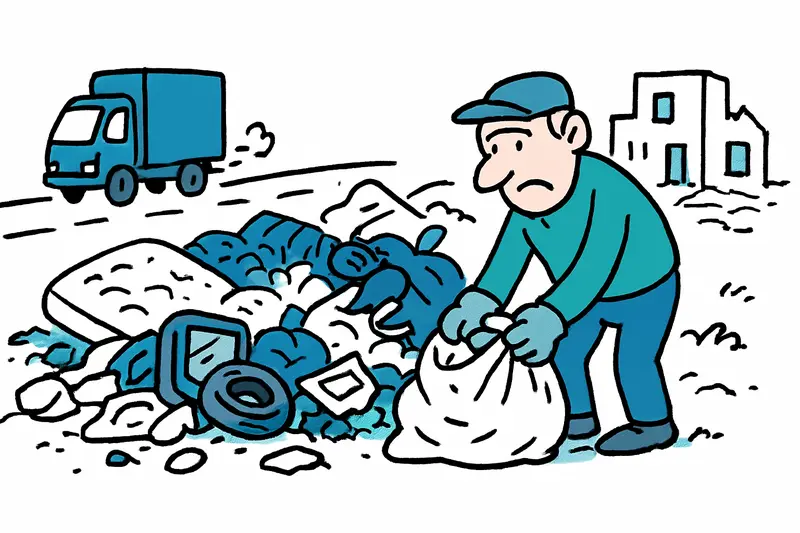
Who will clean up? Illegal rubbish heaps on the highway near Son Gual drive residents onto the streets
For months, construction debris and household waste have piled up along the highway between Palma and Manacor near Son G...

Amundi takes over Bikini Island & Mountain Port in Sóller – many questions remain open
The French asset manager Amundi has acquired the four-star Bikini Island & Mountain Port hotel in Sóller from an Austria...

Silvia was allowed to see the sea once more – a small farewell in Port de Soller
A team from the Balearic health service IB-Salut fulfilled a terminally ill woman's wish: one last trip to the water in ...
Magaluf: Imprisonment for Beach Club Employee after Theft of a Bag — What the Ruling Overlooks
A former dishwasher received a one-year prison sentence for stealing a Louis‑Vuitton bag. The appellate court upheld the...
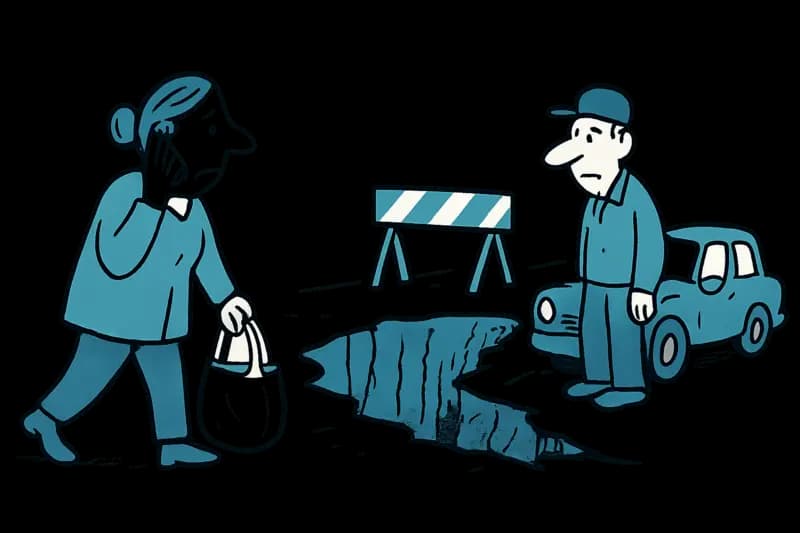
Road collapse at Port de Valldemossa: Who will pay for the next wave of damage?
A section of the MA-1131 near Port de Valldemossa slipped after heavy rains from cold front "Adam". Residents are strand...
More to explore
Discover more interesting content

Can Cap de Bou

Townhouse Lleo 72
