
Body in the Basin of Port Adriano: Who Protects People During Crossings?
Body in the Basin of Port Adriano: Who Protects People During Crossings?
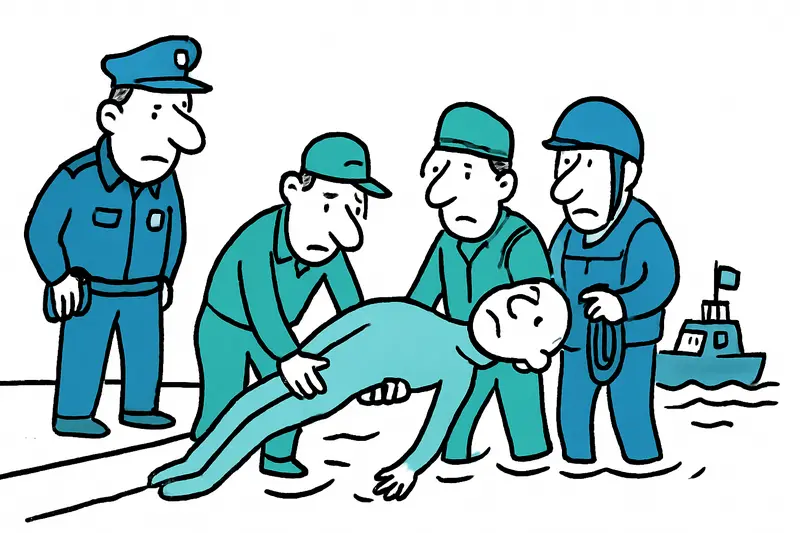
In the morning, just before noon: employees of a luxury marina discovered a floating body in the basin of Port Adriano. The Guardia Civil and Calvià local police responded, and the specialized underwater team GEAS recovered the deceased. An autopsy will determine identity and cause of death. What does this say about rescue chains, weather warnings and the role of ports?
Body in the Basin of Port Adriano: Who Protects People During Crossings?
A body is discovered in the morning; rescuers recover the deceased — and many questions remain
Key question: How well does assistance at sea work — especially when people travel in small boats in rough conditions and are ultimately found in a luxury marina?
In the morning, port staff reported a body drifting in one of the basins of Port Adriano. Several patrol cars from the Calvià local police and units of the Guardia Civil went to the quay. The specialized underwater team GEAS carried out the recovery; the body was brought ashore. A judicial autopsy is scheduled in the coming hours to establish identity and the exact cause of death. Initial information suggests the person may be linked to a crossing to the island; a sea storm had been recorded off the coast the day before, as with Body Recovered off East Coast: A Sign of Larger Problems at Sea?.
Critical analysis: This scene points to several problem areas at once. First: early detection. If a boat accident occurred during or shortly after a crossing, who called for help and when? Port staff saw the body — but was there a prior report from the sea? Second: coordination. Calvià police, Guardia Civil, specialized divers — the on-site response appears to have been swift. But how does communication work along the entire rescue chain, from the coast guard through port authorities to civil society rescuers? Third: prevention. If a sea storm raged off the coast the day before, what information reached skippers and migrant groups? Who ensures that weather warnings reach people without local infrastructure in an understandable form?
What is missing from the public debate: The discussion about the discovery often focuses only on the scene and identity, similar to coverage of Body in Es Carnatge: Investigations After Discovery on the Shore. Two topics are neglected: the routines in ports that are supposed to provide security and surveillance, and the question of how distress events at sea are documented. There is also a lack of sober examination of the interfaces between security authorities, port staff and civilian helpers, as seen in Two bodies on the coast: Investigations in Ciutadella and off Alcúdia – Many questions remain. And: human fates are quickly categorized (“presumed migrant”), instead of being answered systematically, for example: Were there prior warnings? Could recovery or search measures have been deployed earlier?
A typical Mallorca scene: Port Adriano on a late August morning — tourists sip espresso on the promenade, craftsmen sand wood on a boat, engines gurgle in the marina basin. Then the sirens: police cars and Guardia Civil boats cut through the otherwise calm soundscape. Port workers, who usually assign berths and check masts, stand at the quay with dirty hands and solemn faces. Such images linger because they show how close holiday idyll and harsh reality are.
Concrete solutions that could help here:
1) Better alarm chains and low-threshold reporting channels: Not only official emergency calls matter. Port personnel, lock keepers and maritime service staff should have simple, fast reporting protocols so that when someone is sighted an immediate, coordinated search begins.
2) Clearer responsibilities between ports and search-and-rescue services: Luxury marinas are primarily set up for visiting yachts. If they suddenly become the scene of a human tragedy, the role of the port operator within the rescue chain must be formalized — including the obligation to immediately report sightings to the coast guard and Guardia Civil and to make space for response vessels.
3) Targeted dissemination of weather and danger information: State warnings (for example from AEMET) exist but do not always reach people on small, informal journeys. Partnerships with NGOs and information points at departure locations could help communicate hazards clearly and in multiple languages.
4) Stronger documentation of incidents: Every sighting, every maneuver and every rescue action should be recorded digitally and centrally. Only then can patterns be identified and prevention improved.
5) Training for port staff: First aid, sea rescue protocols and basic psychosocial intervention should be part of training. Port employees are often the first witnesses — they should not be left in the dark.
What this means now: An autopsy will clarify who the deceased was and how they died. But the medico-legal answer is not enough if the same gaps in information flow and prevention remain. In Mallorca, tourist infrastructure and migration routes meet. That makes the problems more complex, but also solvable if authorities, ports and local actors work together openly, as other reporting suggests in Two Dead on Balearic Coasts: When the Sea Withholds Answers.
Conclusion: The find in the basin of Port Adriano is more than a single, tragic case. It is a symptom: of breaks in alarm chains, of information deficits during bad weather and of the limited preparedness of some port areas for humanitarian emergencies. Anyone who works or vacations on this island knows the sound of boat engines and the dim light on the water. It would be good if that sound increasingly met preparedness and clear procedures instead of improvised rescue attempts.
Frequently asked questions
How does sea rescue coordination work around Mallorca when someone needs help at sea?
What weather warnings should I check before taking a small boat out in Mallorca?
If a distress incident occurs at a Mallorca marina like Port Adriano, who leads and who helps on the ground?
How can reporting of sightings at sea be improved around Mallorca's ports?
How can weather and danger information reach people taking informal sea journeys near Mallorca?
Why is it important to document each rescue action and sighting at sea around Mallorca?
What practical safety tips should visitors to Mallorca follow before going out on the water?
How does Mallorca’s mix of tourism and migration routes affect maritime safety planning?
Similar News
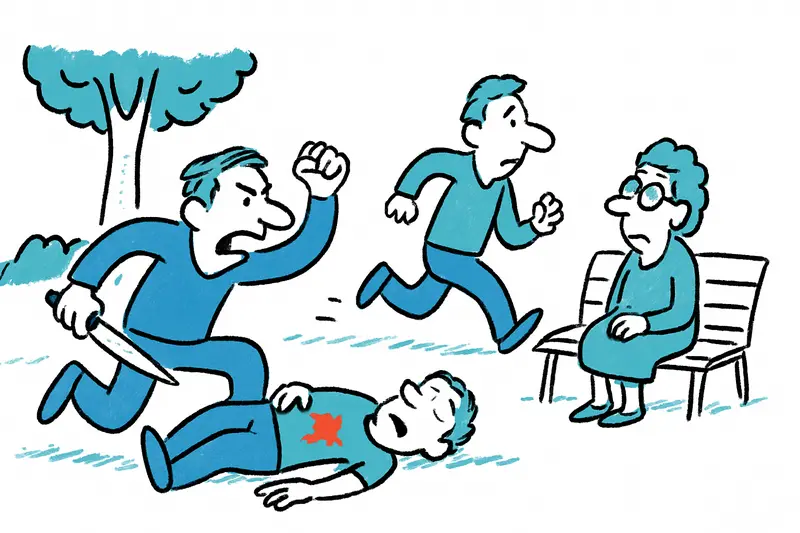
Bloody clash in Canòdrom Park: What is missing in addressing violence on Mallorca's streets?
At midday on October 23, an 18-year-old man was critically injured in Canòdrom Park in Palma. The attack raises question...
Palma raises bus fares: Who pays the bill for public transport?
Single tickets rise from €2 to €3, airport trips have a reference price of €4.50. It remains unclear whether residents w...
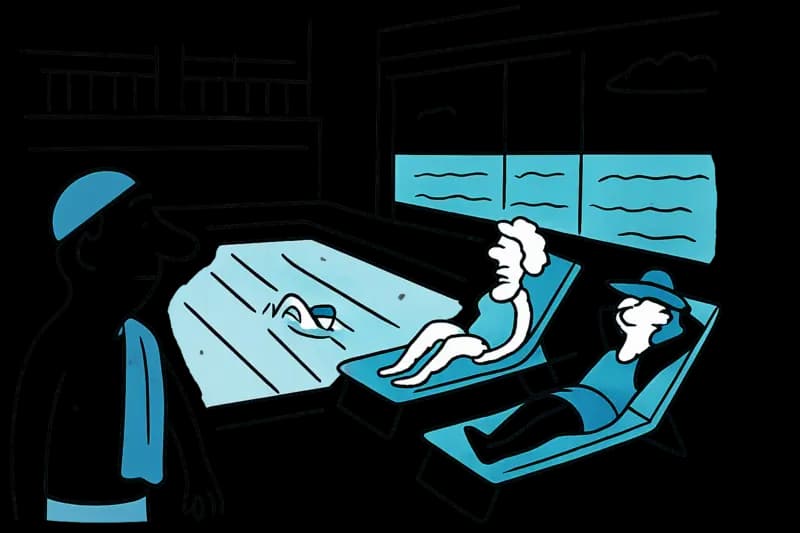
Palma's New Indoor Pool: Sea View, Sunbeds and Space for Everyone
At Aigua Dolça, near the Paseo Marítimo, Palma has a new municipal indoor pool. For a small fee people can now train, re...
How Four Burglars Emptied Ten Houses with a Simple Trick — and What It Means for Mallorca
Four men used the impressioning technique, posed as delivery workers and accepted two years in prison. A reality check f...
Bundles of Drugs, Containers and Open Questions: A Reality Check for Mallorca
3.3 tonnes of marijuana, 80 kilos hidden in golf-ball vending machines and a 44-year-old German released on conditions i...
More to explore
Discover more interesting content

Can Cap de Bou

Townhouse Lleo 72
