
Cardiac Arrest at Palma Airport: A Reality Check for Safety and Assistance
Cardiac Arrest at Palma Airport: A Reality Check for Safety and Assistance
At Palma Airport, an approximately 70-year-old tourist collapsed at a gate and died despite resuscitation attempts. What does this say about emergency preparedness, first aid and support for relatives on the island?
Cardiac Arrest at Palma Airport: A Reality Check for Safety and Assistance
Late in the morning a shock moment occurred at Palma Airport: an approximately 70-year-old tourist collapsed at a gate, staff on site and emergency services attempted resuscitation, but the man died still at the terminal. His family witnessed the drama up close. This is a news item that lingers in the departure hall — in the paper cups from the coffee machine, in the announcements over the loudspeakers and in the faces of travelers, as in Dead Tourist at Playa de Palma: An Accident Raises Many Questions.
Key question
Why is the current emergency preparedness at airports like Palma often insufficient to further reduce the risk of fatal outcomes in sudden cardiovascular arrests?
Critical analysis
The events of the day show that medical personnel on site began resuscitation and the regional emergency service (SAMU 061) took over. Nevertheless the operation ended fatally. That alone says nothing about the quality of care, but it raises questions: How quickly was the defibrillator (AED) available at the scene? Were rescue and medical teams positioned, both spatially and organizationally, so they could reach the gate within minutes? How good is the coordination with the airline, ground staff and security forces in the terminal? Many of these details remain untold publicly — and that is a problem, because transparency drives change, as other cases such as Cardiac Arrest on Can Picafort Beach: Questions Remain and Ideas for the Future have shown.
What is missing from the public discourse
Reports often say only that help was provided. Less often does anyone ask how many AEDs (automated external defibrillators) are available in clearly visible locations, when they were last serviced, and whether all airport employees and staff of shops and cafés receive regular cardiopulmonary resuscitation (CPR) training. Also rarely discussed: aftercare for relatives directly at the airport, initial psychological support and the role of airlines in handling passenger groups after a serious incident. By contrast, some reports describe bystander interventions in detail, for example Port d'Andratx: Tourist Resuscitated by Bystanders and Police After Cardiac Arrest.
An everyday scene from the island
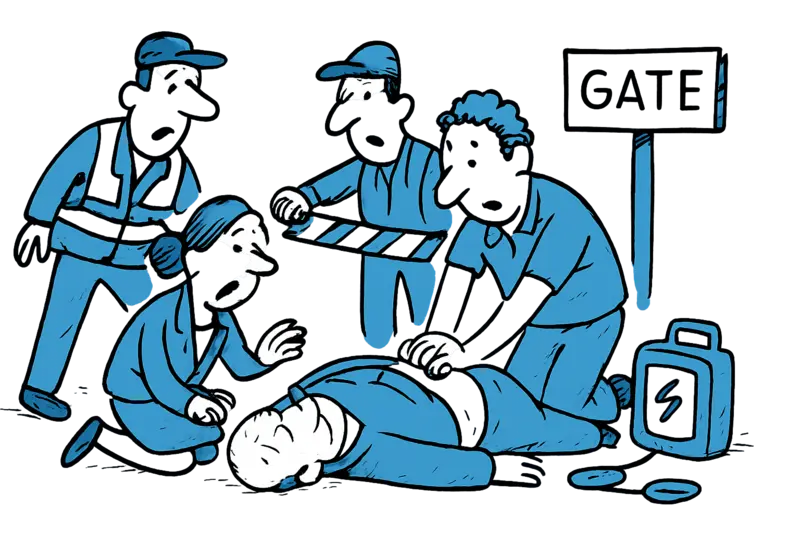
Imagine Terminal B in the morning: travelers with rolling suitcases, the smell of freshly ground coffee from the kiosk, announcements in Spanish, Catalan and English. At the gate people are still talking, a child tugs at his mother's jacket, an older couple shares a snack. Then suddenly hustle — a man collapses. Staff put up barrier tape, passengers are called back, someone fetches a blood pressure monitor, others try to calm the situation. This mix of the banal and the extreme is typical for Mallorca: holiday calm meets emergency, as seen in other sudden public collapses such as Sudden drama on Paseo Mallorca: a death in the rain – and the questions that remain.
Concrete solutions
- Improve AED availability: Every major terminal area needs clearly marked, regularly serviced defibrillators. Devices should be quickly findable via apps and on monitors in the terminal.
- Visible first responder training: Staff of the airport, airlines, shops and catering should be required to attend biannual CPR and AED training. Small, officially documented practice sessions reduce uncertainty in real incidents.
- Emergency routes and communication: Boarding procedures and security checks should be designed to ensure clear paths for rescue teams. A standardized alarm chain between gate staff, medical services and SAMU 061 speeds up interventions.
- Support for relatives: A clear plan for who accompanies relatives on site, how they are informed and how psychological first aid is organized is necessary. Consular assistance for foreign nationals must be quickly accessible.
- Transparency and data: Airports and health authorities should publish anonymized data on medical emergencies (types, frequency, response times). Only with numbers can sources of errors be systematically addressed.
- Prevention for travelers: Information about cardiovascular risks, medication use and what to do if symptoms occur could be briefly visible at check-in or on boarding passes.
Who should act?
Responsibility lies with a bundle of entities: the airport operator, regional emergency services, airlines, catering and shop operators in the terminal as well as the Balearic government. Cooperation instead of isolated actions is important — shortcuts help no one.
Concluding point
A death at the gate is a warning signal for all of us — for operators, authorities and travelers. It is not enough to report that help was provided. We need visible AEDs, practiced personnel, transparent procedures and concrete support offers for relatives. Mallorca depends on tourism, but even more on the willingness to help people in need quickly and effectively. If we draw consequences from this, next time may turn out differently.
Frequently asked questions
How prepared is Palma Airport for sudden cardiac emergencies?
What should you know about AEDs and CPR training at Mallorca airports?
How can emergency response times be improved at Palma's terminals?
What support is available for relatives during a medical emergency at Mallorca airports?
Why is data transparency important for airport medical emergencies in Mallorca?
What can travelers do to stay prepared for cardiovascular issues while visiting Mallorca?
Who is responsible for airport medical safety in Mallorca?
What concrete steps could Mallorca airports take to prevent fatalities from cardiac arrests?
Similar News

Protection failed? A murder in Coll d'en Rabassa and the gaps within
A jury found a man responsible for his partner's death: 66 stab wounds, the crime carried out in front of their shared d...
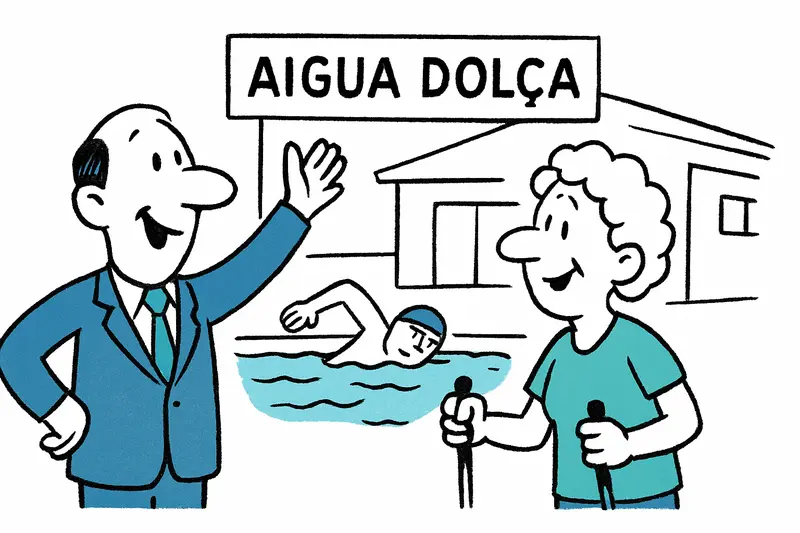
Palma opens s’Aigua Dolça: New sports centre opens on October 15
The new municipal sports facility s’Aigua Dolça above the Paseo Marítimo opens on October 15 in several stages. Initiall...
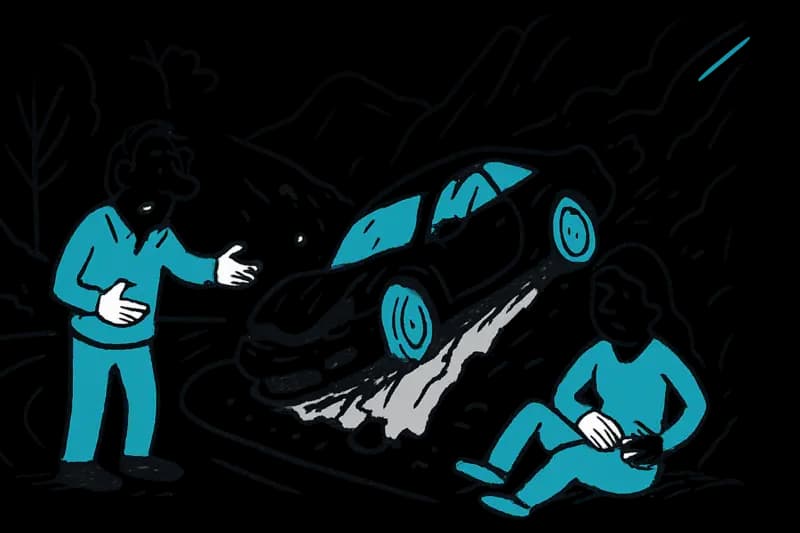
Deadly accident in Mortitx: Why the Ma-10 becomes a danger stretch at rallies
At kilometre 10 of the Ma-10 a Porsche plunged into a ravine. The driver, a 63-year-old German, died and his passenger s...
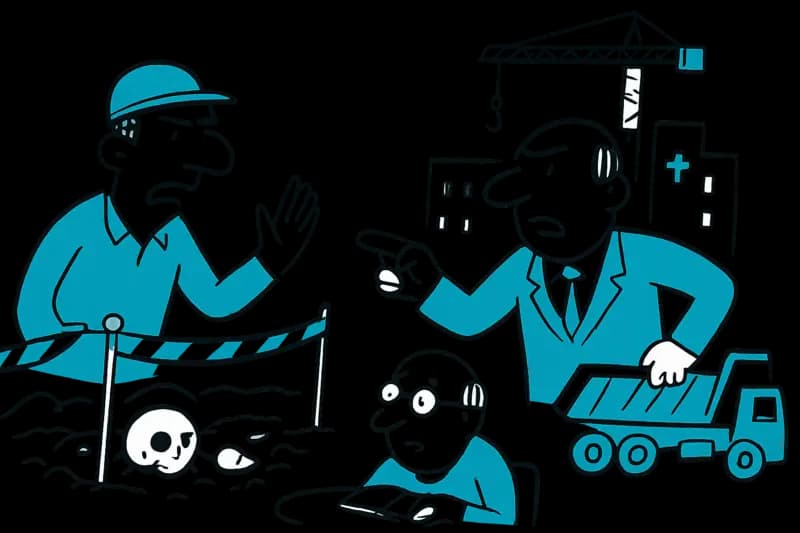
24 Graves in Felanitx: Who Wins — Hospital or Culture?
During the hospital construction in Felanitx, a necropolis with 24 graves and Islamic pottery was discovered. A test exc...
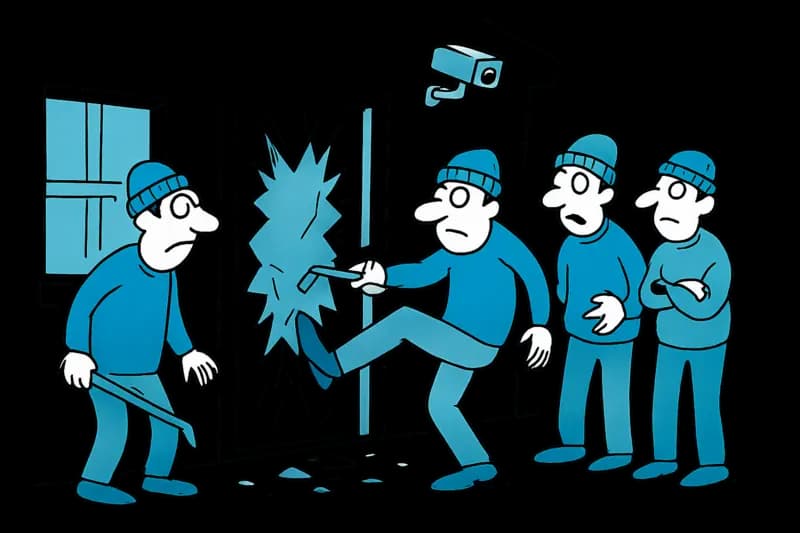
Nighttime Break-in in Marratxí: Four Perpetrators, Smashed Door and Many Questions
A restaurant in Marratxí was robbed on the night leading into Thursday. Four masked perpetrators caused significant dama...
More to explore
Discover more interesting content

Can Cap de Bou

Townhouse Lleo 72
