
Four bodies off Portocolom: Who bears responsibility for the dead at sea?
Four bodies off Portocolom: Who bears responsibility for the dead at sea?
Off Portocolom the Guardia Civil recovered four bodies from the sea. The circumstances are unclear and a possible link to a refugee boat is being investigated. A reality check: What remains unknown, and who must act?
Four bodies off Portocolom: Who bears responsibility for the dead at sea?
Key question: Why is this discovery not just a police case, but a matter of our shared responsibility?
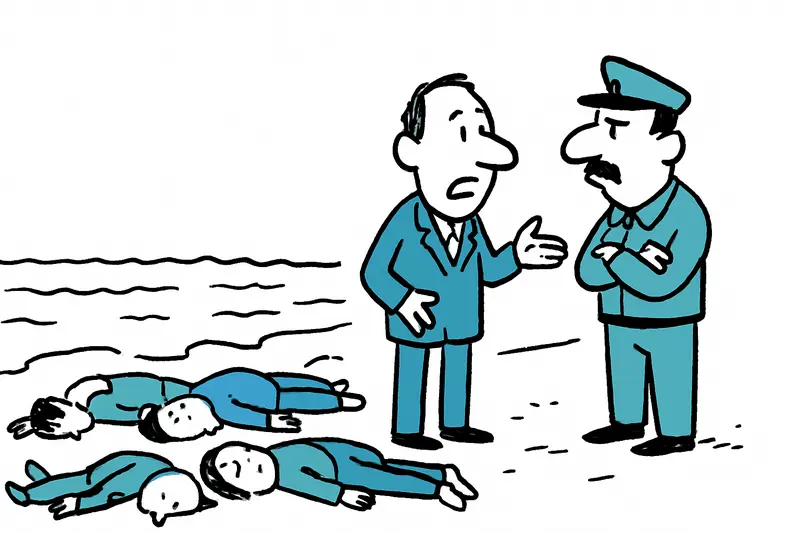
Late on Tuesday afternoon, responders discovered four dead people drifting in the sea off Portocolom. The Guardia Civil recovered the bodies and brought them to the Dique del Oeste in Palma, where a forensic medical service conducted the initial examination. A special unit (GEAS) was on site, and at the same time rescuers at sea had tried to assist a disabled boat; investigators are now examining whether there is a connection to a group previously rescued at sea.
News like this hits the island differently than tourist reports or celebrity stories. If you sit on the promenade of Portocolom, you hear the seagulls, smell diesel from small fishing boats and often see the same scene: retirees with newspapers, teenagers on skateboards, fishermen mending nets. In a place like that, a discovery like this becomes a stark reminder of a reality we on the coast prefer not to see.
Critical analysis: The facts are sober but incomplete. What is known: four recovered bodies, transport to Palma, an initial examination by the forensic service and the suspicion that the victims may have been on a refugee boat. Also on record: in mid-July a boat was found about 60 nautical miles south of Mallorca; 23 people were rescued, and survivors reported three additional people who reportedly died during the crossing and were thrown overboard. Authorities also note that since the start of the year 172 boat arrivals with 3,231 people have been recorded in the Balearics.
What is missing from the public debate: the discovery is often seen as an isolated case rather than part of a larger problem. This discovery is not isolated; local reporting has documented similar cases such as Body Recovered off East Coast: A Sign of Larger Problems at Sea? and Two bodies on the coast: Investigations in Ciutadella and off Alcúdia – Many questions remain.
There is no thorough discussion of concrete responsibilities along the chain: countries of origin and transit, European border policies, the capacities and legal framework of search-and-rescue operations in the Mediterranean, and how poorly equipped smuggler boats should be reported. There is also insufficient discussion of how such cases are handled after recovery — forensics, humanitarian care and bureaucracy — from identification to notifying next of kin.
Everyday scene: On the way from the harbour to the village centre of Portocolom, locals carrying shopping pass by, tourists in sun hats and an old man who buys his bread at the bakery every day. Conversations revolve around the heat, prices, the ferry and whether tourism is ‘back to normal.’ Hardly anyone speaks openly about the people who die off our coast, although they are part of the same sea we use for swimming.
Concrete solutions: First: better coordination of rescue and investigative work. If sea rescuers, the Guardia Civil and forensic services work more closely together, more can be clarified about the origin and circumstances of the dead — and relatives can be informed more quickly. Second: transparent procedures for identifying the deceased and clear responsibilities for storage, DNA matching and burial. Third: strengthen preventive measures in countries of origin, combined with legal, safe pathways for migration — a long-term approach that reduces the incentives for risky crossings. Fourth: local awareness campaigns in ports and communities to encourage eyewitnesses to report suspicious incidents without fear of reprisals. Past incidents such as Patera Capsizes Near Portopetro — One Dead, Three Missing and Many Unanswered Questions show the need for such reporting.
Another point: public authorities should explain in understandable terms how many resources are available in the Balearics for search and rescue and forensic investigations. Figures like 172 boats and 3,231 people since the start of the year sound abstract — they need context: how many missions overwhelm teams, what options exist in times of high demand, and which international agreements apply?
For Portocolom this means concretely: port operators, fishermen's associations and local authorities should be included in contingency plans. A fisherman I met on a hot morning at the mole said softly: 'We often see more than we tell.' That mixture of helplessness and everyday life should prompt action, not silence.
Concise conclusion: Four bodies in the water are not just a sad headline; they indicate structural problems — in the rescue chain, in prevention and in political attention. Now we need transparency, clear procedures and policies that do not make human lives a side issue. And above all: an island community that looks, asks questions and demands dignity and answers for the bereaved.
What to do now: Authorities must conduct investigations promptly and openly; the Balearic administration should make resources and procedures public; coastal communities can set up low-threshold reporting channels for suspected cases; and at national and European level there must be consideration of how search and rescue, legal migration routes and prevention can be better linked. A person sitting on the beach cannot change the sea alone — but they can ask questions, demand information and help ensure such finds do not disappear into a swamp of uncertainty. For further examples of bodies found along Balearic shores see Two Dead on Balearic Coasts: When the Sea Withholds Answers.
Frequently asked questions
What does the discovery of four bodies off Portocolom mean for sea safety and responsibility?
How is rescue and investigation coordinated when a sea tragedy hits Mallorca?
What long-term changes are suggested to prevent similar sea tragedies around Mallorca?
How many boats and people have arrived in the Balearics this year, and what does that indicate?
What practical steps can Portocolom and other Mallorca communities take to improve safety?
How are victims identified and cared for after a sea incident near Mallorca?
What can tourists and locals do to stay informed and help after a sea tragedy off Mallorca?
What time of year is best for swimming in Mallorca and what precautions should I take?
Similar News
Injured captain, big plans: Germania Mallorca before the away match in Consell
The newly founded FC Germania Mallorca travels to Consell on Saturday. Captain Bastian Müller is out injured, but coach ...
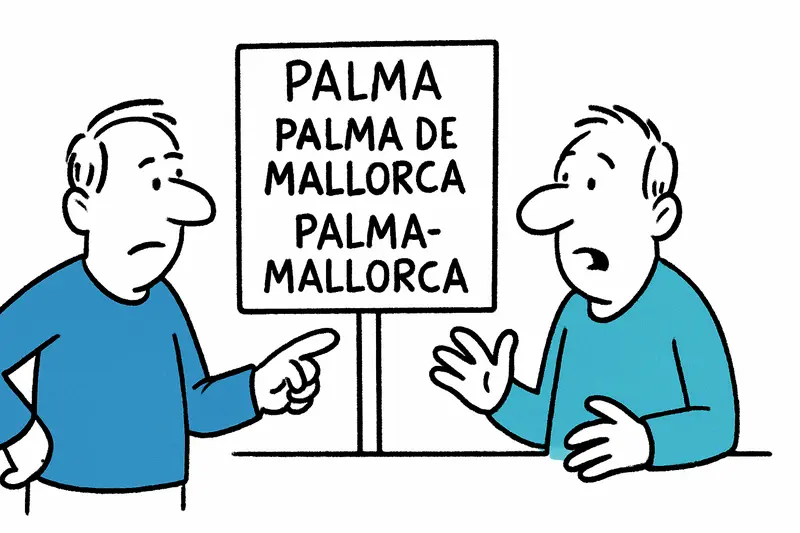
Palma, Palma de Mallorca, Palma‑Mallorca: What is it really about?
The debate over the city's name is more than grammar: it concerns identity, law and branding policy. A sober reality che...
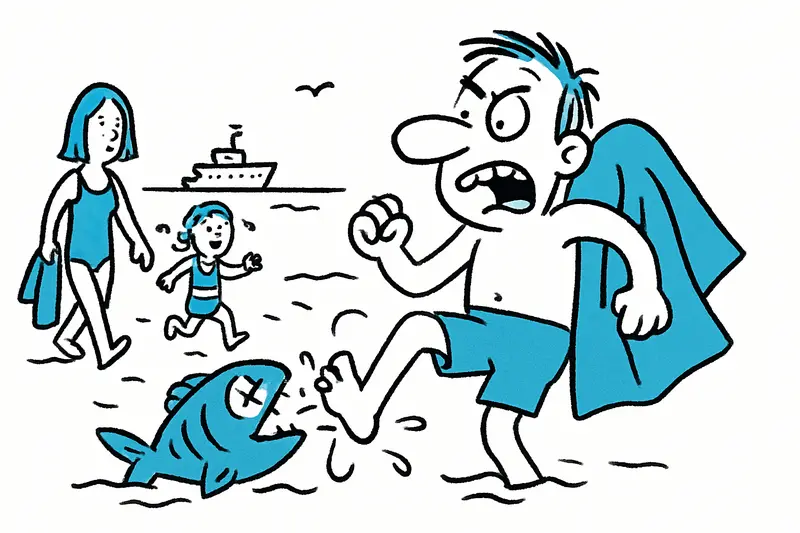
Warning to Bathers: Nipping Fish in Cala Major and Other Coves — a Reality Check
In Cala Major and several beaches around Mallorca, bathers report painful “nips”. Who are the animals, why are they gett...

Rental Car Theft in El Arenal: What This Incident Reveals About Our Gaps
A teenager steals a running rental car in El Arenal, flees on foot, climbs over walls and is caught by the Guardia Civil...

Red Rope in Palma's Library: What Helps Against Selfie Tourism — and What's Missing
Palma's city library cordoned off an area with a red rope to keep selfie tourism away from reading and working activitie...
More to explore
Discover more interesting content

Can Cap de Bou

Townhouse Lleo 72
