
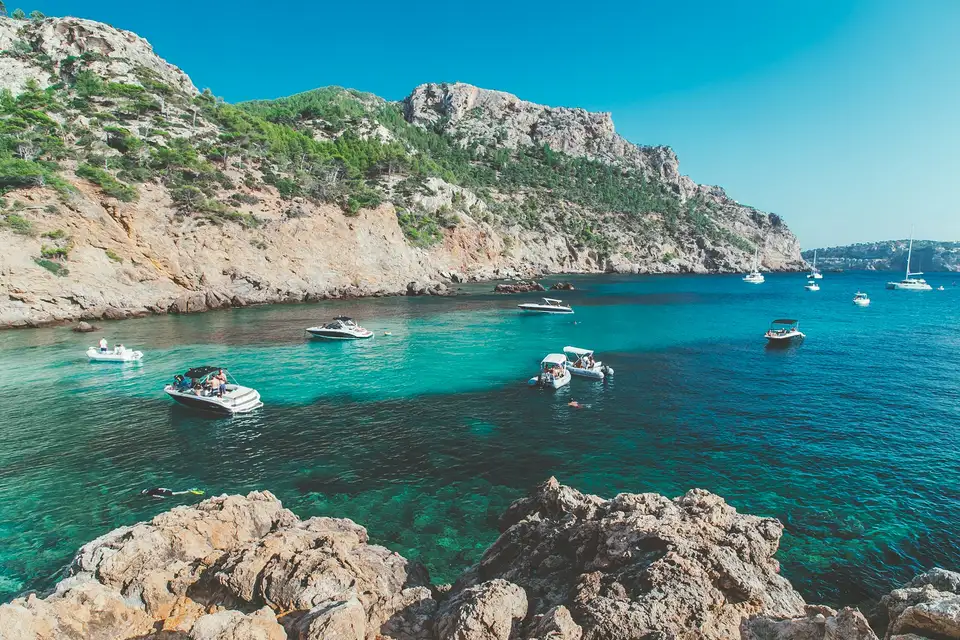
Head-first dive into the shallow part of Cala Fonoll: An accident and the unresolved question of responsibility
A young tourist dove into Cala Fonoll and was seriously injured. Key question: Why are clear warning signs missing at dangerous spots? Analysis, an everyday scene from Port d'Andratx and concrete proposals.
Head-first dive into the shallow part of Cala Fonoll: An accident and the unresolved question of responsibility
Key question: Why are dangerous diving spots at some coves in Mallorca insufficiently marked, allowing people like the roughly 25-year-old tourist in Port d’Andratx to suffer serious injuries?
On Friday afternoon there was an accident at the small Cala Fonoll that will be familiar to many on the island: a young man from the USA landed in shallow water after jumping from a wall – the depth at that spot is reported to be only about one to one and a half meters. The jump is said to have been from a height of four to five meters. Eyewitnesses say his friends pulled him out of the water; he was initially only semi-conscious.
Witnesses on site alerted the emergency center by calling 112. The Policía Local of Andratx arrived first; shortly afterwards the Guardia Civil and an ambulance arrived. Paramedics treated the injured man, fitted a cervical collar and transported him to Son Espases Hospital. Medical findings included a gaping, heavily bleeding head wound and a displaced nasal bone. Those details are familiar here: the rapid sequence of panic, helpers, flashing lights and the dull thud of boats in the harbour of Port d’Andratx.
Critical analysis
The accident reveals several weak points. First: Bathers' assessment of water depth is deceptive, especially when the take-off edge stands several meters above the water. Second: Many small coves lack clear, standardized marking of hazard zones — not only textual signs but also highly visible pictograms for different nationalities. Third: Prevention often fails to reach the people who need it most: impulsive holidaymakers, revellers and groups of friends who go on outings without local knowledge.
Similar accidents have been publicly pointed out repeatedly; nevertheless the pattern repeats, as shown in reports such as When Dares Turn Deadly: Examining Cliff Jumps on Mallorca's East Coast and Tragedy in Son Bauló: Small Cove, Big Questions — How Safe Are Mallorca's Unassuming Beaches?.
In conversations with locals here in Port d’Andratx you hear that Cala Fonoll is not an unknown hazard. Yet there are neither uniform warning signs nor maps that mark such risk points. Municipality, coastal protection and tourism stakeholders rarely speak with a coordinated voice about everyday advice for non-local guests.
What is missing in the public discourse
The debate too often swings between blaming individuals (“the tourist was careless”) and denying administrative responsibility; similar controversy arose after the Bendinat accident: Unnoticed under the cliffs for hours — jetski rescue at midday. What is sorely missing is a pragmatic view of measures that can be implemented quickly and understood by everyone: clear depth indications, multilingual pictograms, visible color markings on hazardous edges and a publicly accessible register of dangerous jumping and diving spots along the coast.
Also missing is the connection to private actors: boat rental companies, tour guides and holiday rental hosts rarely inform guests about local hazards. Booking platforms and car rental companies could also display simple warnings during the booking process or vehicle handover – without new laws, just as a coordinated prevention measure.
Everyday scene from Port d’Andratx
Imagine the path to Cala Fonoll: a steep track, the chirping of crickets, a few anglers on the cliffs, boats rocking at anchor in the harbour. In summer neighbours sit on the walls with shopping bags, children run barefoot. A tourist from an international group sees a low wall, the sea glitters invitingly, the heat presses down – and it happens in seconds. This everyday mix of ease and unfamiliarity can end in danger.
Concrete solutions
1) Visible, multilingual signs at all access points to smaller coves, with pictograms for depth, no diving and emergency numbers. Signs should be weatherproof, reflective and uniformly designed.
2) Color markings or small visual barriers at particularly risky edges to discourage jumping. Not fences, but clear visual deterrents.
3) A digital municipal map marking hazard points (mobile-friendly, GPS-enabled) maintained jointly by tourist information, harbours and municipalities.
4) Information requirements for local providers: boat renters, tour guides and holiday accommodation hosts should briefly inform guests about dangers – as a checklist at handover.
5) Seasonal presence of rescue personnel or mobile information boards during high visitor periods; cooperation with local volunteers and coast guards.
Concise conclusion
The violent impact of a young visitor in Cala Fonoll is not an isolated case but a reminder: hazards along Mallorca’s coasts are often invisible, and prevention sometimes is too, as highlighted by Cala Blava: A Day at the Beach Ends in Death — Who Must Act?. It does not take a major administrative act to prevent people from unknowingly getting into danger. A few well-placed signs, clear pictograms, a bit of networking between the municipality, the harbour and local businesses — and one less tourist ending up later in hospital. That would be a practical Mallorcan solution: down-to-earth, visible and immediately effective.
Frequently asked questions
What are the main safety risks at Mallorca coves, especially in shallow areas?
What practical safety measures could be implemented to reduce diving injuries at Mallorca's coves?
What happened at Cala Fonoll in Port d’Andratx and what does it reveal about warning signs?
Why are warning signs around Mallorca’s coves often inconsistent, and who should coordinate them?
How can visitors to Mallorca assess water depth before diving or jumping into coves?
What roles do private operators and tour providers have in warning guests about coastal hazards in Mallorca?
What practical, quick-win measures could help Cala Fonoll and similar spots become safer?
What packing or day-planning tips can help someone enjoy Mallorca’s coves more safely?
Similar News
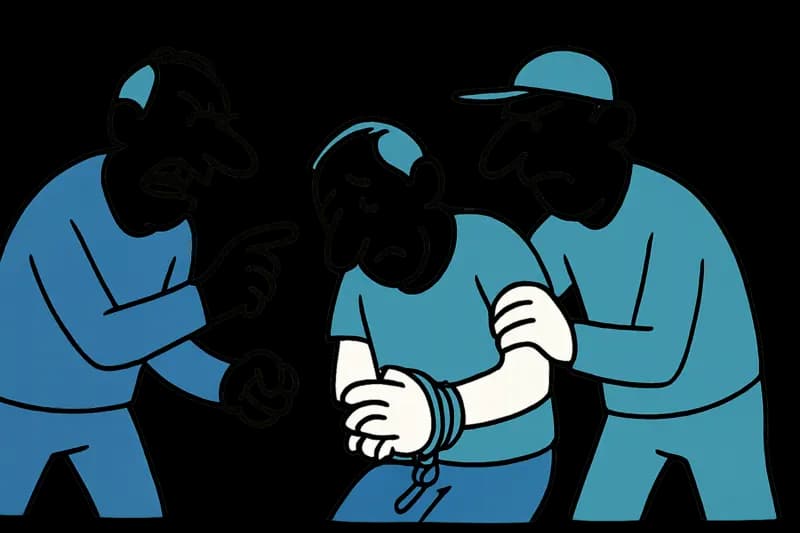
Mistaken identity with fatal consequences: Brutal assault in S'Aranjassa — what's missing in the follow-up?
At S'Aranjassa a visitor to a finca was tied up, beaten and thrown out of a van. Three men have been arrested, including...
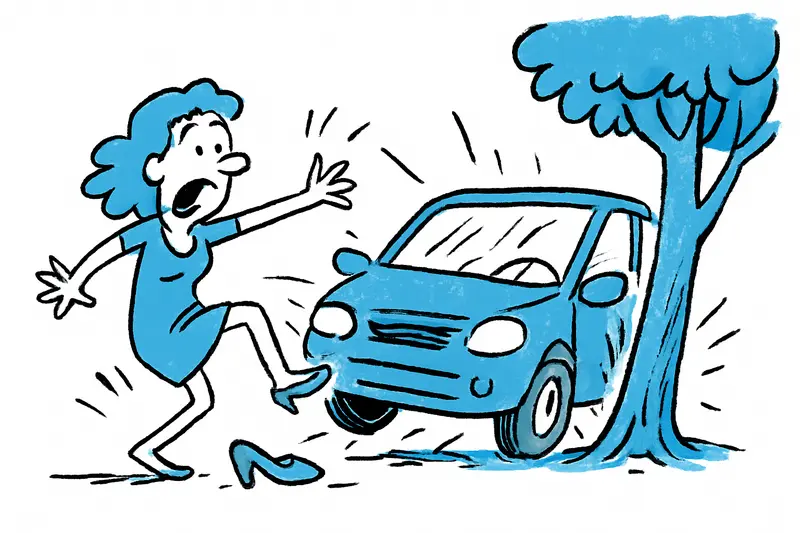
High heel slips, car accelerates: accident on Camí de Son Hugo
A woman lost a high-heeled shoe on the forecourt of the sports facility at Camí de Son Hugo. The car accelerated, mounte...

Phone Scam: How Two Hotel Employees at Playa de Palma Lost Thousands of Euros
One morning in September, two reception employees at Playa de Palma were pressured by alleged alarm-company staff — in t...
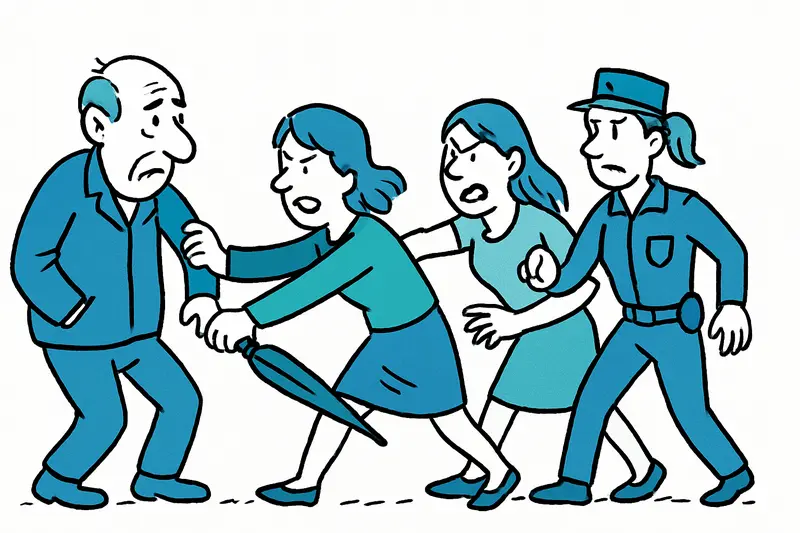
When the Wallet Becomes a Danger: Attack in Peguera and Lessons for Mallorca
In Peguera, two women are said to have stolen the wallet from a 75-year-old German couple. When the victim intervened, t...
Plata stays Plata: Young people take over, Llonguets remain
A small bar on Carrer de l'Argenteria will continue: Tolo Serra hands the place over to young Mallorcans at the end of t...
More to explore
Discover more interesting content

Can Cap de Bou

Townhouse Lleo 72
