
Heatwave in Mallorca — Reality Check: Are we really prepared?
Heatwave in Mallorca — Reality Check: Are we really prepared?
Saharan dust and peak temperatures up to 42 °C: AEMET warns the nights will remain hot. A critical look at preparedness, working conditions and the everyday livability of our island meets concrete, immediately implementable proposals.
Heatwave in Mallorca — Reality Check: Are we really prepared?
Key question
Can the island, authorities and people practically cope with the forecast peak temperatures up to 42 °C and the persistent humidity — or will we only react in July when the first emergencies occur?
Critical analysis
The national weather service AEMET has issued a special warning: from Tuesday hot, dust-laden air from North Africa will move over the Balearics, accompanied by high humidity. The interaction of a stationary upper-level low northwest of the Iberian Peninsula and a high over North Africa is driving temperatures in inland areas up to 42 °C, and nighttime readings like 27.7 °C in Portopí remain unusually high. At the same time a Calima dome hangs over the island; the sky is hazy, the sunlight altered but no less dangerous. That is the sober set of facts — but a look at practice reveals gaps. This situation is described in Heatwave reaches 42 °C: How Mallorca should cope with the new temperature peak.
What's missing in the public discourse
The warnings are clear and the recommendations general: drink, seek shade, avoid physical exertion. The gaps this leaves are outlined in Heat alert on Mallorca: How well is the island prepared for infernal heat days?. But concrete answers are missing on three points: first, how will people who work outdoors be protected — from construction workers to delivery drivers? Second, how will older and solitary people be systematically reached when phones fall silent and neighborhood support is thin? Third, how robust is our infrastructure — the power grid, cooling in public buildings, emergency capacity — if heat peaks occur for several days in a row?
Everyday scene from Palma
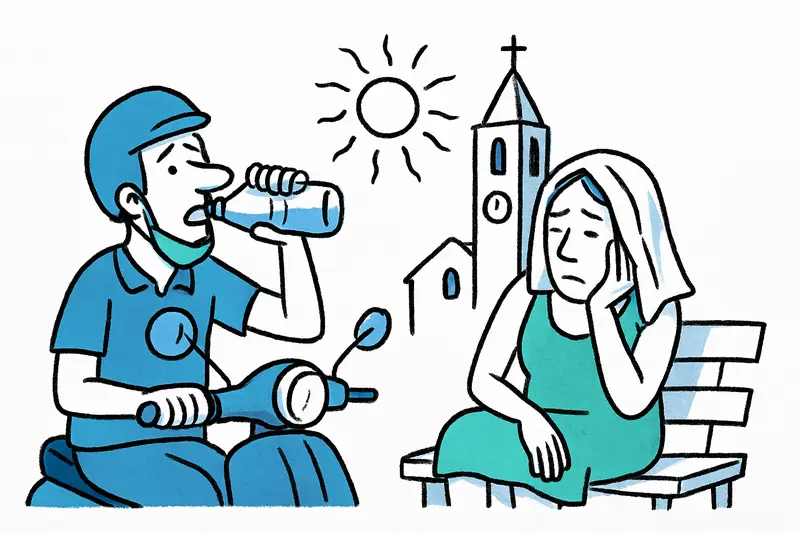
On the Passeig Marítim in the late morning: the air shimmers above the asphalt, the chestnut trees cast little shade, tourists in the street cafés sit with damp cloths around their necks. A delivery driver parks his Vespa under an awning, pulls his mask down and drinks from a plastic bottle; a woman with an ice cream sits on a bench and stares into the hazy blue. The church tower clock strikes twelve, the wind carries fine sand between the little houses — and the thermometer has long since left the conversation. Local coverage like When Palma Is Sweating by Mid-Morning: Heat Alert, Risks and What's Missing Now captures similar scenes.
Concrete, immediately implementable solutions
1) Tighten occupational safety: Municipalities should issue clear rules for heat days — mandatory shade breaks, additional drinking stations at construction sites and flexible working hours so heavy tasks are shifted to the cooler morning hours. 2) Open cooling and meeting points: Designate libraries, sports halls and community centers as short-term cooling centers, equipped with water, first-aid kits and information in several languages. 3) Targeted neighborhood actions: District teams (volunteers, neighborhood associations) organize telephone check-ins for people over 75 and those with pre-existing conditions. 4) Transport and infrastructure: Buses should be air-conditioned and additional routes during heat phases should be considered; shade sails can ease queues at bus stops. 5) Energy and water management: Operators should prepare contingency plans for shortages; hotels and leisure operators should be encouraged to coordinate with authorities. 6) Public communication: Not just general warnings, but precise instructions — where is the nearest cooling center, when are rest times for construction workers, which numbers to call for medical help?
What everyone can do immediately
Practical recommendations: People sensitive to sun and heat should avoid outdoor activities between 12 and 18, always carry water, keep shutters closed during the day and only ventilate at night when the air is actually cooler. Check on elderly neighbors; never leave children or animals in the car. In case of dizziness, headache or nausea: shade, fluids, cool cloths — and if necessary call 112.
Punchy conclusion
Weather warnings are necessary but not sufficient. AEMET provides the maps; we must provide the answers: short-term with cooling points and occupational safety, mid-term with better urban planning, more trees and passive cooling in buildings. If we treat the heat as a one-off event, it only gives us stories. If we recognise it as a recurring burden, it imposes an obligation to change — and now, not only when the sirens go off.
Frequently asked questions
What is the best time of year to enjoy sunny weather in Mallorca?
Can you swim in Mallorca year-round, or is it seasonal?
What should I pack for a Mallorca trip in spring and summer?
Are there family-friendly beaches in Mallorca?
What outdoor activities are popular in Mallorca?
How can I plan a day trip from Palma to explore Mallorca?
What should I know about Mallorca's beaches and sun safety?
How does Mallorca's weather vary by month, and what does that mean for packing?
Similar News
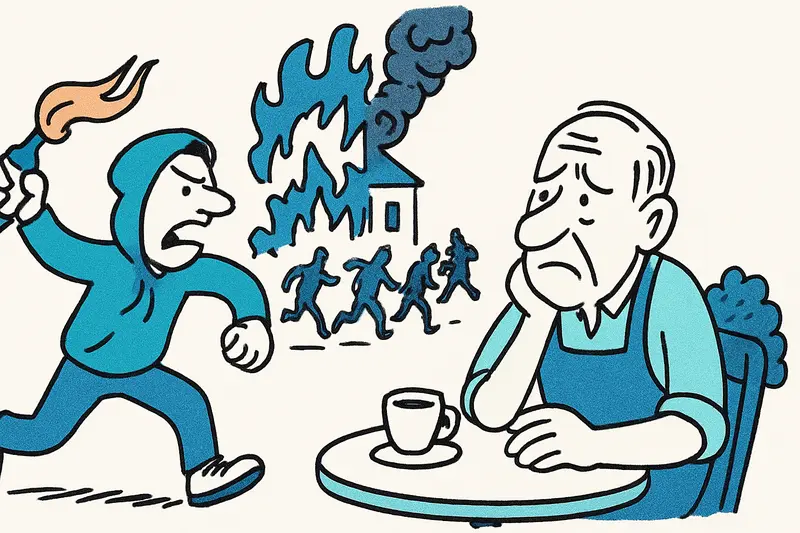
Why the unrest in Barcelona should be a wake-up call for Mallorca
A TikTok call led to nighttime violence and hundreds of arrests in Barcelona, many of them minors. What is behind the ph...
Palma under the microscope: 87 arrests over forged passports – what now?
The National Police stopped 87 people at Palma airport this year with allegedly forged documents. Why are controls alone...
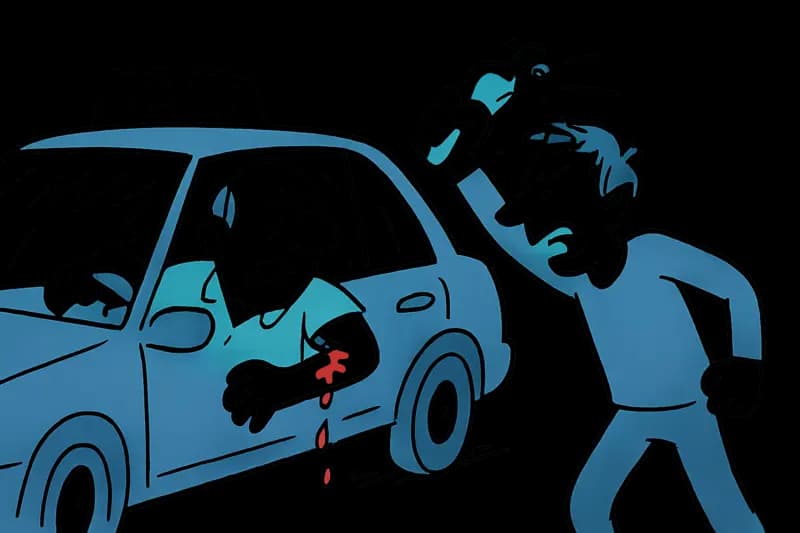
When a Taxi Fare Dispute in Magaluf Turned Bloody: How Safe Are Passengers and Drivers?
In Magaluf a dispute over the fare escalated: a tourist, now 18, is accused of having seriously injured a taxi driver in...
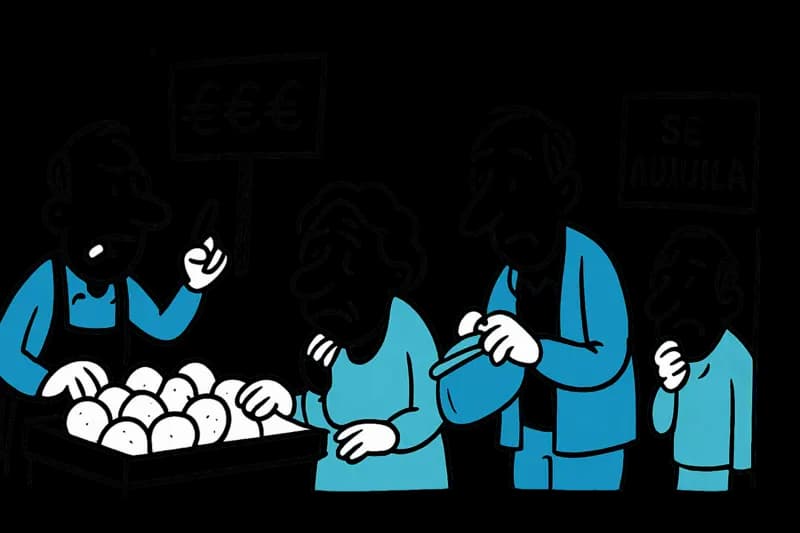
Why Mallorca Has Become So Terribly Expensive — A Reality Check
Rents are exploding, staple food prices are rising, wages are lagging behind. A look at the causes, what is missing from...
When Paradise Becomes Unaffordable
Hotel rooms, paella and the weekly grocery shop: Mallorca is becoming more expensive for many. Who pays the bill — guest...
More to explore
Discover more interesting content

Can Cap de Bou

Townhouse Lleo 72
