
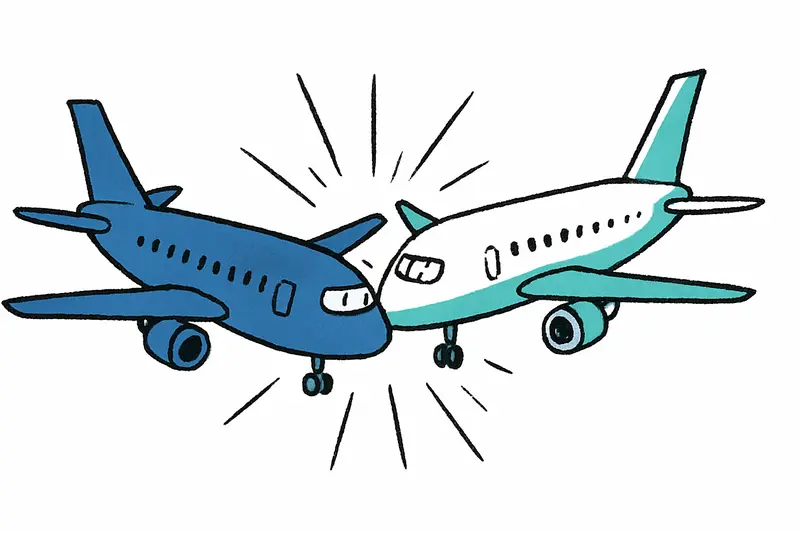
Too close on approach: How two passenger aircraft nearly collided in Barcelona
Too close on approach: How two passenger aircraft nearly collided in Barcelona
On July 11 an A320 and a B737 came dangerously close while on approach to Barcelona. A report by the Spanish investigation authority describes a failure of the prescribed separations. Why it happened — and what should be done now.
Too close on approach: How two passenger aircraft nearly collided in Barcelona
Key question: How could an A320 and a B737 come so close on final approach — and what does that mean for our safety in the air?
On July 11 something every air traveler would fear occurred: an Airbus A320 of a Spanish carrier, flying from Marrakesh to Barcelona, and a Boeing 737 of Ryanair subsidiary Buzz from Krakow came on approach to the same runway so close that the required safety separations were significantly breached. The Spanish accident investigation authority CIAIAC has documented the incident in a report and opened an investigation.
In short: while the 737 apparently deviated from the intended approach path during the turn into final, air traffic control instructed the A320 cockpit to turn immediately to the right. Shortly afterwards the onboard collision avoidance systems (TCAS) in both aircraft activated. The pilots followed the automatic avoidance advisories. According to investigators the minimum separation was only about 61 meters vertically and roughly 1.1 kilometers laterally. The 737 continued its approach and landed; the A320 flew an additional 360-degree circuit before it also touched down safely, a reminder of episodes like Heart-stopping moment over Son Sant Joan: Why the Eurowings plane climbed again.
Sounds abstract? Anyone standing at Son Sant Joan sees the aircraft cross the bay, hears the low rumble, smells the summer — and does not think about how tight it can get up there. On the Ma-19, when traffic stalls, people sometimes grumble about flight delays, and incidents such as Laser on the approach: Ryanair aircraft at Son Sant Joan dazzled – time to act are often part of the conversation. No one expects near-collisions behind the terminals.
Critical analysis: The facts point to an interplay of a deviation by one aircraft, ATC instructions and ultimately the role of TCAS as the last safety net. TCAS is designed to automatically detect imminent collision threats and recommend evasive maneuvers. That both crews followed the indications was consistent with the system design. Problematic is that the prescribed minimum separations were already no longer in place. Why was the deviating approach path not corrected earlier? Was it a monitoring error, a belated human-to-human instruction, a coordination problem between control units or simply a technical navigation offset? Non-technical hazards can also complicate approaches, as highlighted in Laser over the runway: Pilot in Palma blinded — landed safely, but questions remain.
What is missing in public debate: discussion often stops at sensational headlines and does not examine deeper root causes. There is a lack of clear debate about staffing and workload in air traffic control, the frequency of surveillance and intervention mechanisms in peak situations, and possible gaps in the interaction between automated systems and human decisions. The role of schedule compression in summer operations and the pressure on airlines to meet tight slots is also rarely addressed seriously; passengers and local stakeholders have seen examples of operational strain, for instance Aborted Takeoff in Basel: Panic on Board – and What It Means for Mallorca Travelers.
Concrete measures that could have an effect without years of legislative change:
- Real-time audit through flight data analysis: ATC centers could make stronger use of automated short-term conflict alerts (STCA) and trigger immediate operational interventions when predefined deviations are exceeded.
- Better interfaces between TCAS guidance and ATC instructions: Standardized procedures for cases where TCAS and air traffic control appear to conflict, as well as regular simulator exercises for both parties.
- Staffing and workload management: Transparent disclosure of rosters, break rules and staffing levels during peak demand so decision-makers can identify and resolve bottlenecks.
- Slot and capacity control: Less aggressive sequencing during high-traffic periods to reduce risky close approaches caused by tight scheduling.
From a Mallorca perspective this is not an abstract topic: on Sundays along the Passeig Marítim taxi drivers and beach vendors discuss flights that depart tightly and the reliability of air traffic control. People here have a pragmatic sense of risk — they want safe landings, not just punctual ones.
In conclusion: that the situation ended without damage was down to luck and professionalism, not proof of adequate systems. TCAS did not prevent the close call — not because the device malfunctioned, but because conflicts had already escalated to that point. The CIAIAC investigation is appropriate and necessary. Our view should go further: toward better monitoring, clear procedures and the working conditions of the people who oversee the skies. Otherwise the incident will repeat, and the luck that aided this time may not hold next time.
Frequently asked questions
What does a near-miss between two planes teach travelers about air safety?
How do air traffic control and pilots coordinate to ensure safe landings during Mallorca's busy summers?
What is TCAS and how does it help prevent collisions in the cockpit?
What measures can help reduce risky close approaches during peak traffic times?
How safe are landings at Palma de Mallorca Airport during the summer peak?
If I'm flying from Mallorca to Marrakesh, what safety considerations should I expect on approach?
Are incidents near major hubs like Barcelona relevant to travelers flying into Mallorca?
What practical steps can travelers in Mallorca take to stay informed about flight safety and delays?
Similar News
Released with Conditions: The Plus Ultra Suspicion and a Mallorcan Finca as Residence
A Dutch entrepreneur, sought in connection with the Plus Ultra case, was extradited to Spain after his arrest in Germany...

Haute Nuit in Puerto Portals: Fashion, Art and Indulgence by the Water
On October 2 the Lobster Club in Puerto Portals will be transformed into a stage for curated fashion, art and culinary e...
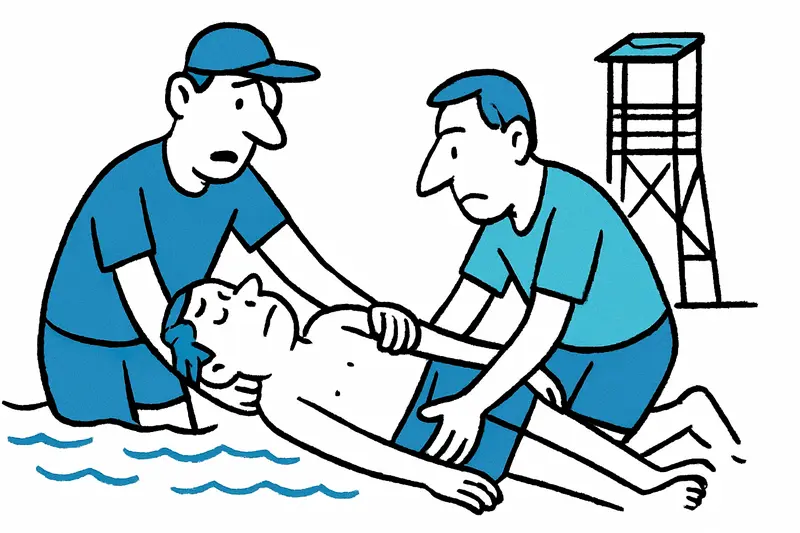
Magaluf: Watchtower Alarm – Lifeguards Pull Unconscious Beachgoer from the Water
After a drama in the late afternoon, two lifeguards at Magaluf beach rescued an unconscious 44-year-old man. He was stab...

Turquoise in the City: How dangerous is the color play of the Sa Riera?
The Sa Riera in Palma suddenly turned turquoise — a pretty motif, but behind the effect lies a discharge of saline waste...

Jeckliner at Sunnesching: Cologne spirit sets sail from Palma
In September 2027 the Mein Schiff 2 briefly becomes a floating carnival stage: four days with Cologne bands, comedy and ...
More to explore
Discover more interesting content

Can Cap de Bou

Townhouse Lleo 72
