

United Tribuns still in pre-trial detention — One year on: What remains of the investigation?
United Tribuns still in pre-trial detention — One year on: What remains of the investigation?
One year after the major blow against the alleged drug network around the motorcycle group United Tribuns, the main suspects remain in pre-trial detention. A reality check: which questions remain unanswered — and how does Mallorca really protect its streets?
United Tribuns still in pre-trial detention — One year on: What remains of the investigation?
Key question: Is the criminal investigation model that exposes large networks like the one around Stefan Milojevic sufficient to truly tackle the root causes of drug trafficking in Mallorca?
A year ago, the operation against the alleged members of the biker group United Tribuns — described in Major raid in Palma: Biker leader and former investigator arrested — How deep does the network reach? — hit the headlines like a thunderclap: arrests in several countries, raids, seizures. Today the alleged ringleader, Stefan Milojevic, and other suspects remain in pre-trial detention. Spain's National Court in Madrid has dismissed appeals against the continued pre-trial detention. Investigators view the organisation as internationally networked, and it is alleged to have attempted to bring up to three tonnes of cocaine into Spain.
On Mallorca itself, authorities found, according to the files, eleven kilograms of drugs and €1.2 million in cash, as reported in Major raid in Mallorca: Arrest of an alleged clan leader raises big questions. Such figures may sound abstract, yet they have an impact on the streets: on Passeig Mallorca the air smells of coffee while scooters and taxis veer towards Plaça España. People go about their daily lives without knowing how much organised crime often operates in secret.
The investigations paint a picture that reaches beyond the island's borders: links to North Africa and South America, distribution flows via Ibiza, Mallorca and Valencia, and alleged contacts with Albanian networks. The files also name a lawyer and a former police officer as suspects. The lawyer is additionally accused of money laundering and company formation; his professional position is said to have given him access to facilities and contacts. The former officer is accused of possibly passing on confidential information, a dimension explored in Drugs, Millions and Suspected Abuse of Office: What the Major Operation in Mallorca Reveals.
Critical analysis: How effective is the system of pre-trial detention against well-connected groups? Pre-trial detention is intended to prevent flight, evidence tampering and the risk of reoffending. But it does not solve the problem of the networks. In trials, complex evidence can drag on. If evidence is not presented promptly yet thoroughly, a case turns into a long question mark — this applies to victims, investigators and society.
What is often missing: durable prevention on the island and transparent oversight mechanisms in sensitive institutions. The indications of possible internal accomplices within police ranks and judicial circles reveal a structural risk: if people with access to information can manipulate processes, the system's vulnerability is real.
What is often missing from public discourse: the reality of neighbourhoods where smuggling and money laundering materialise. It's not only large containers or luxury villas. It's small-scale networks, cash flows through service companies, property purchases with concealed funds. People rarely talk about this loudly in cafés or at weekly markets — and yet it affects prices, employment opportunities and the reputation of entire communities.
Everyday scene: a Saturday market in Inca. Fishmongers shout their prices, a mother pushes a stroller, an older gentleman argues with the greengrocer about the heat. No one sees the accounts, no one knows the masterminds. But increased amounts of money and some questionable investments stand out; they are the quieter signs that, in aggregate, are dangerous.
Concrete approaches that must be tackled now:
1) Better internal controls: Regular, independent audits at police and prison access points as well as at law firms with a high risk of abuse. That does not mean distrust of everyone, but clear rules and transparent documentation.
2) Make money flows more visible: Increased cooperation between financial authorities, banks and local administrations to detect and report suspicious transactions more quickly. Expand capacities in financial data forensics.
3) Accelerated case procedures: Special chambers that prioritise complex, international drug cases so that investigations do not fragment or take years while evidence decays.
4) Local education: Programmes in communities that explain how money laundering and drug flows distort local economies — with low-threshold reporting channels for citizens.
5) Strengthen international cooperation: The route from sourcing to distribution runs through several countries. Permanent channels of information and joint investigative projects are needed, not just one-off actions.
These proposals are not panaceas. They require resources and political will. But without them the oft-cited "strike at the heads" remains piecemeal.
One year after the operation against the group, the core question remains: are we only catching the captains of a huge ship while the net of pilots and connections ashore continues to spin undisturbed? Or can the judiciary and authorities turn spectacular arrests into lasting deterrence and systemic change?
Conclusion: The continued pre-trial detention of the alleged main suspects is, based on the available information, understandable. However, it does not answer the deeper questions about vulnerabilities in systems of order and about the economic reasons why such networks take root in Mallorca. The island needs more transparency, better controls where trust can be abused, and a public discourse that thinks beyond reports of arrests. Otherwise, after the bang of the raid only an echo remains.
Frequently asked questions
What is Mallorca's best time of year for outdoor activities and sightseeing?
What should I pack for a Mallorca trip across the seasons?
Can I swim in Mallorca outside peak summer?
What are the must-do activities on Mallorca?
Are there family-friendly beaches in Mallorca?
How easy is it to get around Mallorca without a car?
Is Mallorca safe for solo travelers?
What local foods should I try in Mallorca?
Similar News

Guardia Civil and Social Media: When Backseat Posing Leads to Charges
Since the summer the Guardia Civil has been analyzing videos from social networks to detect risky driving maneuvers. Wha...
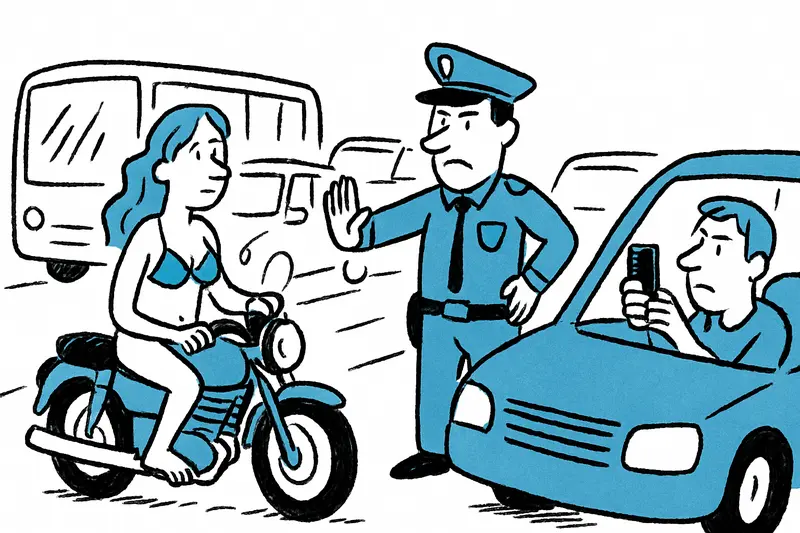
Half-Naked on the Vía de Cintura: A Safety Check in the Middle of Traffic
On the ring road around Palma, a motorcycle rode between cars with an almost naked, barefoot passenger. A video circulat...
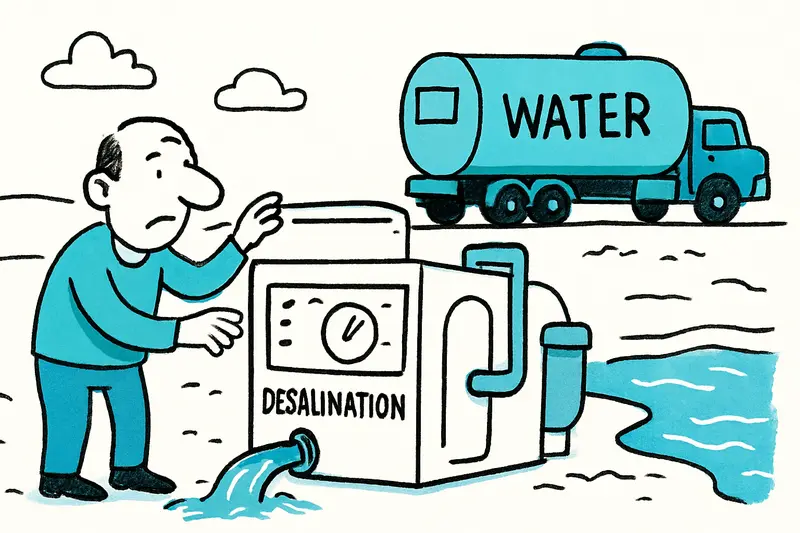
When the Sea Becomes the Reservoir: Mallorca and the Dependence on Desalination Plants
Sixty-two percent of Mallorca's drinking water now comes from seawater desalination. Energy demand, brine discharge and ...

Fewer German Guests in Summer — a Reality Check for Mallorca
In July nearly 598,000 guests from Germany arrived in the Balearics, 4.06 percent fewer than the previous year. What doe...
"Sea of Trash" off Palmanova: A Ray as an Unintended Warning
A video by the diver "Es Canari" shows pieces of plastic and other debris among Posidonia meadows off Palmanova. Why is ...
More to explore
Discover more interesting content

Boat Tour with BBQ along Es Trenc Beach

Private transfer from Mallorca Airport (PMI) to Pollensa
