
"Who Cleans Up the Sea?": Trash Flood at Playa de Palma as a Symptom — a Reality Check
"Who Cleans Up the Sea?": Trash Flood at Playa de Palma as a Symptom — a Reality Check
At Playa de Palma, plastic, diapers and cigarette butts are currently floating in the water. Why does so much rubbish end up in the sea, who is responsible — and what should be done differently now? A situation report with concrete proposals.
"Who Cleans Up the Sea?": Trash Flood at Playa de Palma as a Symptom — a Reality Check
Affected beach sections: Can Pastilla, bathing areas between 9 and 10 — what remains besides disgust?
Guiding question: Why do sanitary pads, diapers, plastic cups and even shoes end up in the water off one of Mallorca's most visited stretches of coast — and who bears responsibility?
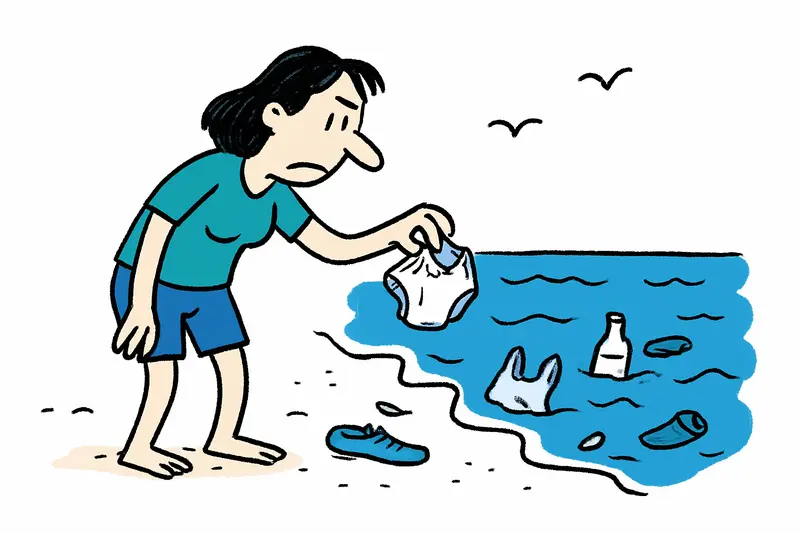
Early on Sunday morning, before the sunbed rental companies set up their umbrellas, a young mother walks along the sand. Gulls screech, the wind carries salty spray over the promenade, and between strands of seaweed plastic bags and empty cans drift by. She picks up a diaper, looks at the glittering sea — and says, "I've never seen anything like this." Such scenes are currently being reported by tourists and locals along Playa de Palma, especially around Can Pastilla and the area between bathing areas 9 and 10.
Critical analysis: The problem is not an isolated case nor purely a meteorological phenomenon. Strong wind and choppy waves do push algae and light waste ashore, but the types of items found — hygiene products, shoes, packaging — point to an influx from urban sources, boat waste or poor disposal in the drainage network. Reliable data is lacking on how much originates from the shore and how much comes from the sea; this lack of clarity is also highlighted in What Lies Beneath Mallorca's Coast: Trash Slipping Out of Sight. Without this distinction, measures remain half-hearted (Almost 37 Tons of Waste: What Mallorca's Cleanup Fleet Really Tells Us).
What is currently missing in the public discourse is the following: a transparent inventory, clear information on the cleaning frequency of affected sections and statements from the responsible authorities about how garbage is intercepted from waterways and ports. Also rarely discussed are seasonal changes in municipal cleaning staff and the practice of some operators to dispose of waste improperly to avoid extra costs.
Everyday scene from Mallorca: On Avenida Miramar you can hear the rumble of street sweepers in the morning, but the wind willingly pushes plastic sheets back into the sea. Beach vendors set up tables, children search for shells — and at the water's edge lie cigarette filters, crumpled plastic bags and occasionally bulkier items. It is a strange mix of normality and irritation: life goes on, and so does the trash.
Concrete approaches that could be implemented immediately:
1) Quick-start measures: Install mobile cleaning buoys and easily deployable barriers at the mouths of inflows to catch floating trash. Regular, documented beach inspections morning and evening — with short reports for the public.
2) Infrastructure: Additional and clearly visible waste bins along the promenade, more ashtrays with disposal bags. Clearer labeling of disposal routes for businesses and temporary operators.
3) Prevention and sanctions: Targeted information campaigns for tourists (multilingual, short and concise). At the same time, stricter controls and fines for illegal disposal — also in port areas.
4) Cooperation: Bring public administration, boat operators, hotel associations and local clubs to the table. Subsidy programs for take-back or deposit systems for single-use bottles could reduce the amount of lightweight plastic.
5) Transparency and monitoring: Sensors or simple counts at critical points to better understand the source and quantity of debris. In the short term, photo series and timestamps are sufficient — citizens can help with reports.
What does not help now: moral outrage without strategy. Yes, anger is understandable — but effective solutions need data, assigned responsibilities and persistence. The question must not be lost of how much individual behavior, municipal organization and commercial interests each contribute to the problem.
A practical tip for bathers: briefly scan the shoreline before entering the water, watch children and animals, and report larger pollution to the municipal reporting office. Volunteer actions on weekends help improve the visual appearance — but do not solve the underlying problem; volunteer and authority cleanups are documented in More than 6.7 tonnes of waste from the sea: Why the cleanup on Mallorca is only the beginning.
Conclusion: The visible flood of trash in front of Playa de Palma is symptomatic of gaps in prevention, infrastructure and control. Those who act now — with pragmatic capture systems, clear assignment of responsibility and better public relations — will do the island a service in the short and long term. At some beach sections, a deeper look into the water is no longer enough; action is needed on land, in the port and in the sewer system so that Mallorca not only looks clean but stays clean.
Frequently asked questions
What causes trash to wash up on Mallorca beaches like Playa de Palma?
How can visitors report pollution along Mallorca's coast?
What practical steps are being proposed to prevent debris from reaching the sea around Mallorca?
Where on Mallorca is Playa de Palma, and which areas have seen more litter?
Is Can Pastilla on Mallorca’s Playa de Palma experiencing more litter than other areas?
What is happening along Avenida Miramar regarding beach cleanliness?
Are there programs in Mallorca to curb single-use plastics in ports or harbors?
Why is reliable data about debris origins important for Mallorca’s coast, and what monitoring is suggested?
Similar News
Why Mallorca Has Become So Terribly Expensive — A Reality Check
Rents are exploding, staple food prices are rising, wages are lagging behind. A look at the causes, what is missing from...

When Paradise Becomes Unaffordable
Hotel rooms, paella and the weekly grocery shop: Mallorca is becoming more expensive for many. Who pays the bill — guest...
End at Ballermann: What Is Lost with the Dino Mini Golf at Playa de Palma
On October 25 the dinosaur mini-golf course at Playa de Palma will close after more than 30 years. Why the city is recla...

Expensive Address Calvià: What Does First Place Mean for Mallorca?
The National Institute of Statistics (INE) ranks Calvià as Spain’s most expensive municipality for property purchases. W...

Emergency over Spain: Ryanair Dublin–Tenerife flight diverted to Santiago after medical emergency
A Ryanair flight from Dublin to Tenerife was diverted to Santiago de Compostela due to a passenger's acute health proble...
More to explore
Discover more interesting content

Can Cap de Bou

Townhouse Lleo 72
