
Jump at Es Pontàs: Clicks versus Caution — What We Must Ask Now
Jump at Es Pontàs: Clicks versus Caution — What We Must Ask Now
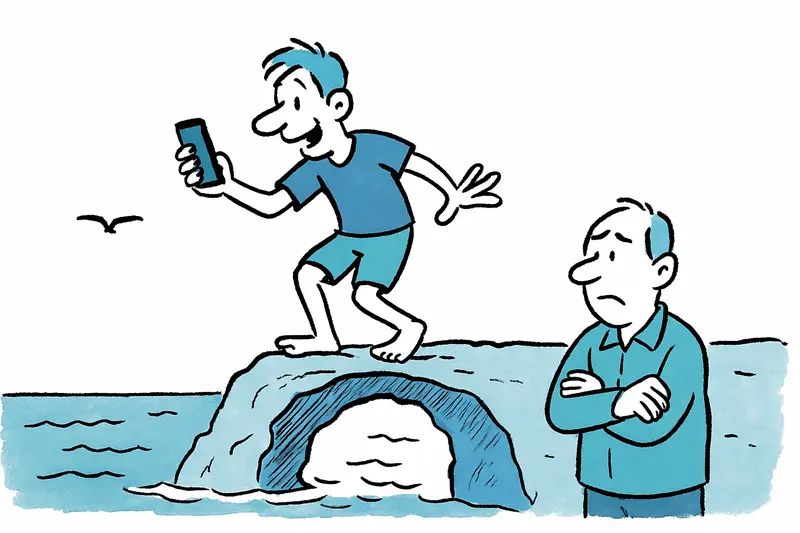
A video shows a content creator jumping from the Es Pontàs rock arch. Breathtaking — and dangerous. Who bears responsibility for such actions?
Jump at Es Pontàs: Clicks versus Caution — What We Must Ask Now
Leading question: Why does a risky jump by an Instagram creator become a template for imitation instead of prompting thoughts about protection and rules?
Late in the morning, when the heat lies over Santanyí and seagulls circle the bay, Es Pontàs is one of those places you recognize by smell: salt, pine resin and the occasional squeak of a distant delivery van on the MA‑19. It was exactly there that a young man from Toulouse, known on social media, dared a jump from the natural arch and filmed the sequence. Fortunately the video ends without visible injuries. Still — the clip left many viewers breathless and rekindled an old debate, echoed in reports about cliff jumps on Mallorca's east coast.
The scene looks like something from a travel guide: photogenic, cinematic, made to be shared. But critical questions remain: How safe is the arch at that spot really? How well do viewers know the local conditions — currents, tide-dependent water depths, hidden rocks beneath the surface? And not least: what are the consequences of the popularity of such stunts for people and nature on site?
Critical analysis
A single safe jump is not proof of general safety. The risks are multifaceted. First the natural factors: currents can change quickly, especially when wind and swell combine. The water depth directly under a cliff can vary; sediment, algae and debris sometimes conceal rock ledges. Second, the human component: people performing in front of cameras often calculate with adrenaline and audience approval, as in the stair stunt at Bellver Castle. That increases the willingness to test limits. Third, the effect as a role model: videos spread fast. Imitation without local knowledge or a rescue plan is the greatest danger.
Two things are particularly missing in the public debate: concrete numbers on incidents at such natural monuments and clear guidance for tourists about where exactly access or jumping becomes problematic. Mostly the discussion stays on the surface: outrage in comments, admiring likes, silent reactions from authorities.
What is missing from the discourse
We seldom hear from those who work here every day: fishermen mooring boats along the coast; the neighbor with the small kiosk at the cove who notices water temperature and wind in the morning; the municipal worker who collects trash because visitors cut shortcuts through the maquis. These everyday perspectives show that the problem is not isolated but strains local routines and nature. This is mirrored by incidents such as a tourist defacing a cave wall in Portals Vells that highlight visitor impacts.
Concrete approaches
1) Review and specify signage: not just post "Danger", but give concrete information on currents, jump height and rescue access. 2) Visible on-site education: small panels with images showing why in-depth knowledge is necessary. 3) Cooperation with influencers: municipalities could offer voluntary codes of conduct — short checklists before filming. 4) Temporary access restrictions: regulate access in dangerous conditions or heavy surf. 5) Training for local rescue teams and better boats at critical points — that helps if something does happen, as in the paraglider crash at Mirador de Sa Torre. 6) Digital warnings: simple notices via municipal accounts or on popular hashtag pages.
All these measures cost money and require coordination between municipalities, conservation groups and the coastguard. But they would close the gap that opens when spectacular images become the sole measure of feasibility.
Everyday scene
On site it looks like this: an older man pulls his fishing line from the water in the afternoon, a child tries to ride a small plastic boat behind a wave. Two tourists lean their backpacks against an olive tree and photograph the arch. None of them has a life ring. Everyone trusts the moment — until a mistake changes the scene. These small, everyday images show how quickly routine turns into danger.
Conclusion: A risky jump may seem harmless in a clip, but in reality there is a danger that likes become a blueprint for imitators. The island needs less moral outrage and more pragmatic rules: clear on-site information, dialogue with content creators, targeted controls and better information for visitors. That way Es Pontàs and similar places can be preserved — as natural wonders, not as stages for reckless dares.
Frequently asked questions
What is the best time to visit Mallorca for good weather and fewer crowds?
Can you swim in Mallorca year round?
What should I pack for a Mallorca trip?
Are Mallorca’s beaches family-friendly?
What are must-do activities when visiting Mallorca?
How does Mallorca's weather vary by month?
Is it easy to get around Mallorca without a car?
What safety tips should travelers know for Mallorca?
Similar News
Palma under the microscope: 87 arrests over forged passports – what now?
The National Police stopped 87 people at Palma airport this year with allegedly forged documents. Why are controls alone...
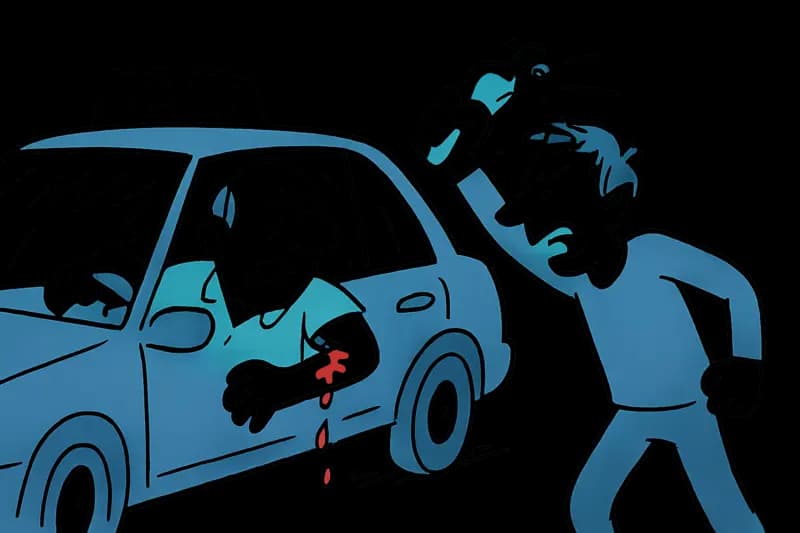
When a Taxi Fare Dispute in Magaluf Turned Bloody: How Safe Are Passengers and Drivers?
In Magaluf a dispute over the fare escalated: a tourist, now 18, is accused of having seriously injured a taxi driver in...
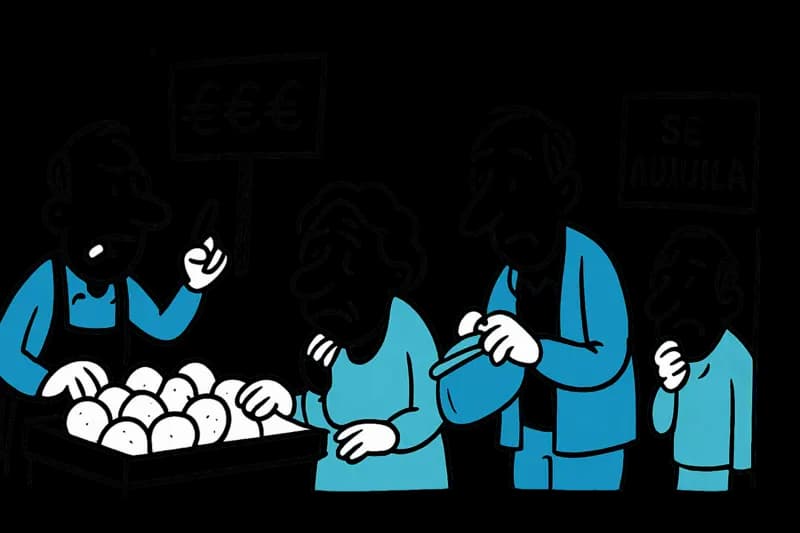
Why Mallorca Has Become So Terribly Expensive — A Reality Check
Rents are exploding, staple food prices are rising, wages are lagging behind. A look at the causes, what is missing from...
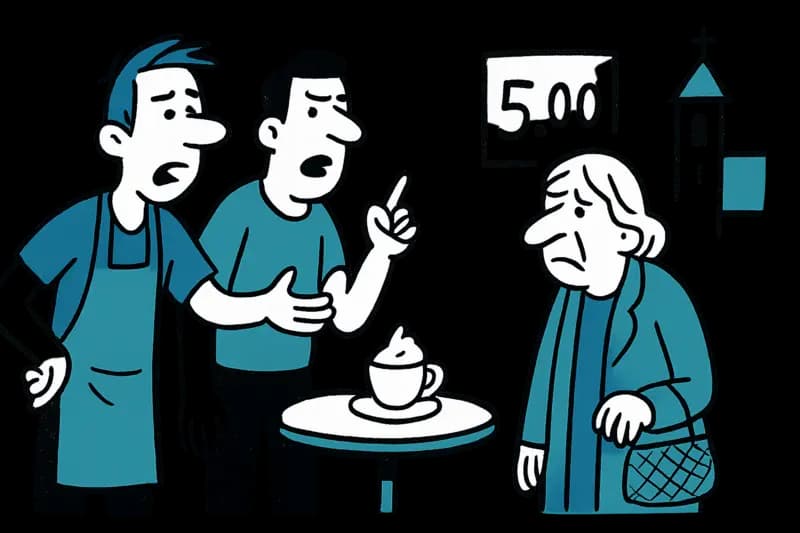
When Paradise Becomes Unaffordable
Hotel rooms, paella and the weekly grocery shop: Mallorca is becoming more expensive for many. Who pays the bill — guest...
End at Ballermann: What Is Lost with the Dino Mini Golf at Playa de Palma
On October 25 the dinosaur mini-golf course at Playa de Palma will close after more than 30 years. Why the city is recla...
More to explore
Discover more interesting content

Can Cap de Bou

Townhouse Lleo 72
