
When Winter Storms Dictate the Course: the 'Viking Saturn' in Palma — a Port, Many Questions
When Winter Storms Dictate the Course: the 'Viking Saturn' in Palma — a Port, Many Questions
As storms churn the sea, the luxury liner 'Viking Saturn' sought refuge in Palma. A brief port stay shows: safety, climate and port policy converge here.
When Winter Storms Dictate the Course: the 'Viking Saturn' in Palma — a Port, Many Questions
A luxury liner dodges the storms. Why this affects the island more than just a small stir at the quay.
Monday morning, a cold wind over the Passeig Marítim, the clatter of fenders at the quay and somewhere a bartender clearing away the last cups from the night before: the 'Viking Saturn' had berthed in Palma on this January day. No big spectacle for most residents, but certainly a cause for reflection. The ship altered its course because of strong winter storms — which at times appear on weather maps as 'Ingrid' and 'Joseph' — and used Palma as a safe port of refuge, as in a recent Sudden Storm in Palma.
The facts are straightforward: a newbuild of the so-called Star class, in service since 2023, around 227 meters long and room for nearly a thousand passengers in roughly 500 cabins — each with its own veranda. On board: calm, Nordic design, a large spa with sauna and even a snow grotto. The route leaves no doubt about its focus: western Mediterranean, stops in Tunis, Casablanca — and in between Palma, when the weather demands it. Similar public interest followed the visit of Explora II in Palma.
The scene is familiar and yet ambivalent. For the tourism industry, an additional call means short-term income: taxi drivers, city tours, small shops at the Plaça de la Llotja. For residents, a large ship in the harbor in winter can also bring noise, air pollution and a reminder of how dependent the island is on cruise traffic. Yet critics warn about the strain when multiple large ships arrive, as in Four Cruise Giants, One Old Town.
Key question: How much responsibility must a port like Palma assume when ships seek refuge for safety reasons — and who bears the costs, the environmental consequences and the risks?
Critical analysis: A port is by definition a place of refuge. But as a constant emergency haven for large ships during stormy periods, Palma faces several conflicts. First: infrastructure and capacity. Big vessels require berths, shore power connections, disposal facilities. Palma has invested in berths and improved landing facilities in recent years, but the number of large calls, even outside the season, puts staff and equipment to the test, as seen with the 'Star Princess' stop in Palma.
Second: environmental issues. The 'Viking Saturn' is designed as a hybrid and that sounds positive — but hybrid does not mean emission-free. If ships cannot or will not connect to shore power, the on-board generator continues to run. That means local air pollution at the quay. Third: risk and safety management. The memory of a serious incident involving a similar operator a few years ago, when a ship had to be evacuated during a storm off Norway, remains present. Such images intensify public interest in emergency plans and municipal coordination.
What is often missing in the debate: transparency about decision-making processes. Who decides at short notice whether a ship will enter Palma? Port authority, shipping company, coast guard — and according to which criteria? How are residents informed? In addition, an honest discussion about the burden caused by out-of-season calls is lacking. This is not an accusation against the shipping companies; it is a question of planning, priority-setting and clear rules.
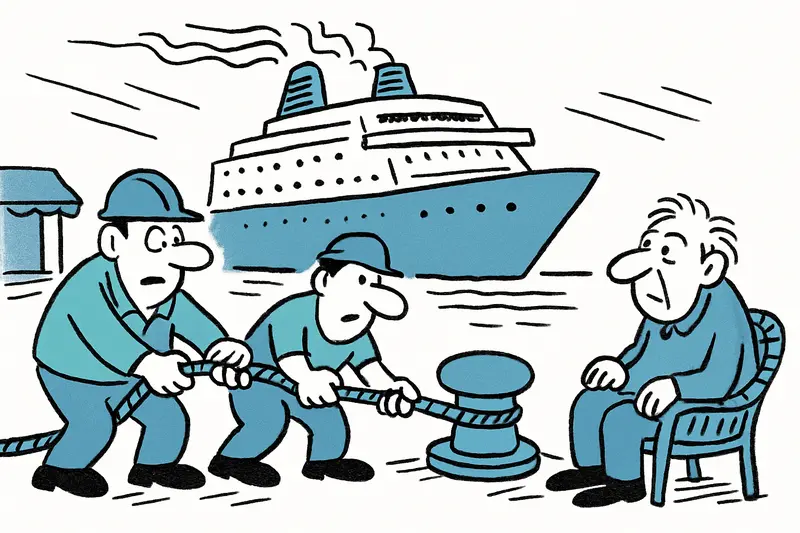
A familiar everyday scene: two dockworkers pull on a mooring line, the wind whistles over the plastic tarps of the kiosks, an old fisherman watches everything from his wicker chair at Moll Vell. Later the passengers on board stroll in small groups along the promenade; they buy olives, a few postcards, some sit in a café with a view of the cathedral. For an afternoon the city seems lively. But in the end the ship sails on — and the legacy remains.
Concrete proposals: First, binding arrival criteria during storm warnings that the port authority, shipping companies and coast guard must set together. Second, expansion and mandatory use of shore power connections for large calls so generators can be shut down. Third, a transparent emergency and information concept for residents: clear communication channels, real-time noise and emissions measurements and public reports after exceptional calls.
Further measures: capacity management — limit simultaneous berth occupancies so that existing infrastructure is not overwhelmed; greater investment in more robust berthing facilities for storm situations; and an economic debate about port fees that proportionately cover environmental protection and local costs.
Pointed conclusion: Palma can offer protection — that is part of its identity as a port city. But protection must not come without clear rules. If we island residents hear the hum of large generators at night or see a gray haze over the quay by day, these are not merely aesthetic complaints but indicators of gaps in planning and responsibility. The 'Viking Saturn' was a reminder on that January day: safety at sea is indispensable, but the price should not be quietly paid in our air and on our streets.
An appeal to city hall and the port administration: make the criteria public, provide shore power, plan capacity limits and inform people before the vessel docks. That way Palma remains both a salvaging harbor and a vibrant city — not just a makeshift solution for storms at sea.
Frequently asked questions
Why do cruise ships sometimes come to Palma during winter storms?
Is it normal for Palma to receive cruise ships in the off-season?
What is shore power and why does it matter for cruise ships in Palma?
How does a cruise ship in Palma affect local residents?
What kind of ship is the Viking Saturn?
What should residents know when a cruise ship takes shelter in Palma?
Where do cruise passengers usually go in Palma for a short stop?
Why do people in Mallorca debate cruise ship visits to Palma?
Similar News
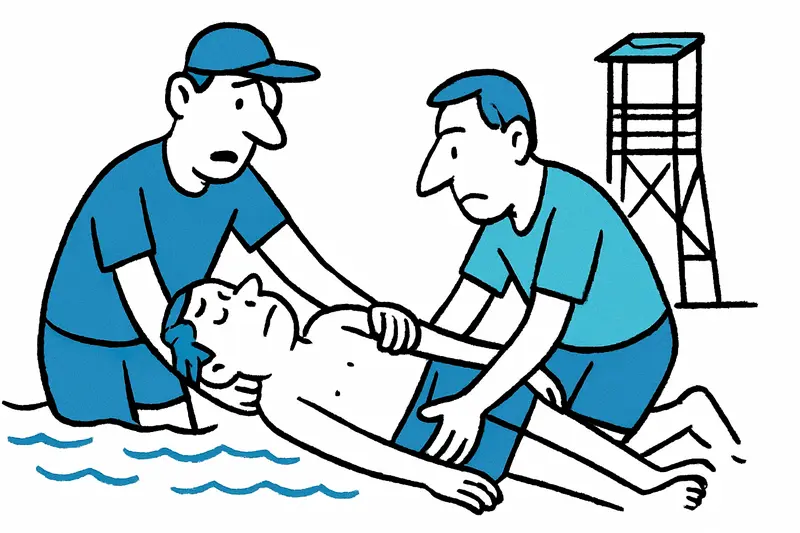
Magaluf: Watchtower Alarm – Lifeguards Pull Unconscious Beachgoer from the Water
After a drama in the late afternoon, two lifeguards at Magaluf beach rescued an unconscious 44-year-old man. He was stab...
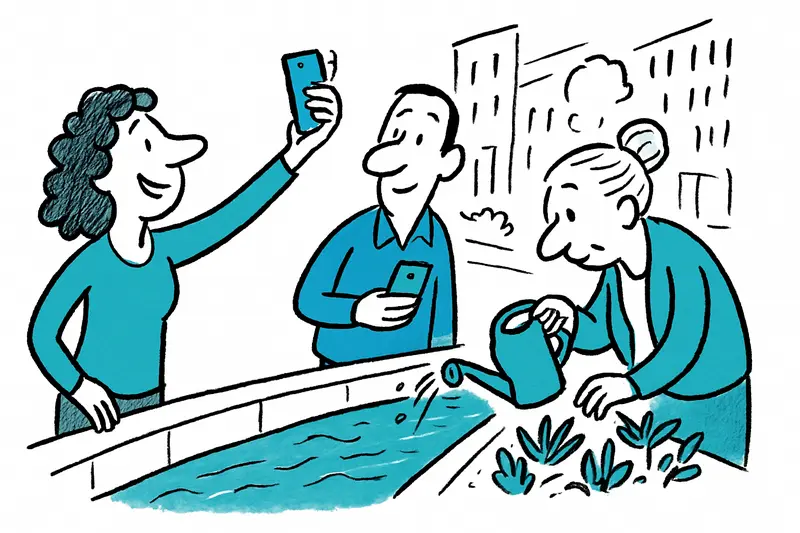
Turquoise in the City: How dangerous is the color play of the Sa Riera?
The Sa Riera in Palma suddenly turned turquoise — a pretty motif, but behind the effect lies a discharge of saline waste...

Jeckliner at Sunnesching: Cologne spirit sets sail from Palma
In September 2027 the Mein Schiff 2 briefly becomes a floating carnival stage: four days with Cologne bands, comedy and ...
Finally Home: Mike and Leyla Heiter Buy Villa with Sea View in Mallorca
The reality TV couple Mike and Leyla Heiter have bought a house in Mallorca with a roof terrace and sea view. An Instagr...

Arrest after series in Palma: Who protects apartments from repeat offenders?
The National Police arrested a man in Palma who investigators say may have broken into several apartments. In one incide...
More to explore
Discover more interesting content

Can Cap de Bou

Townhouse Lleo 72
